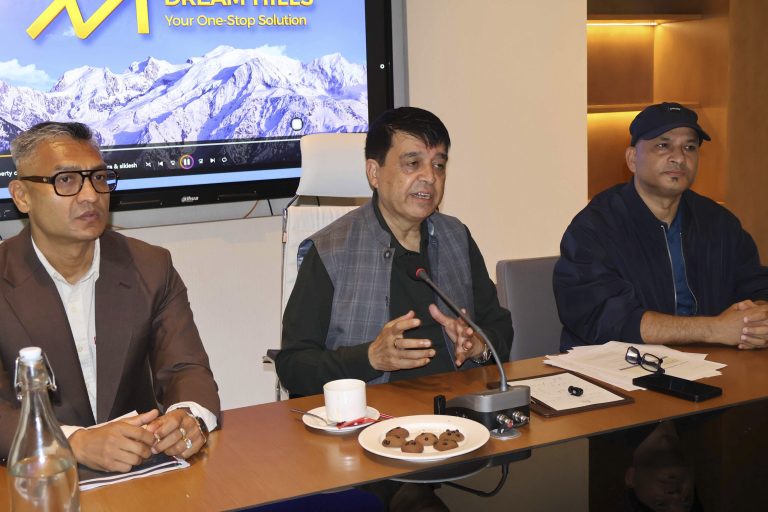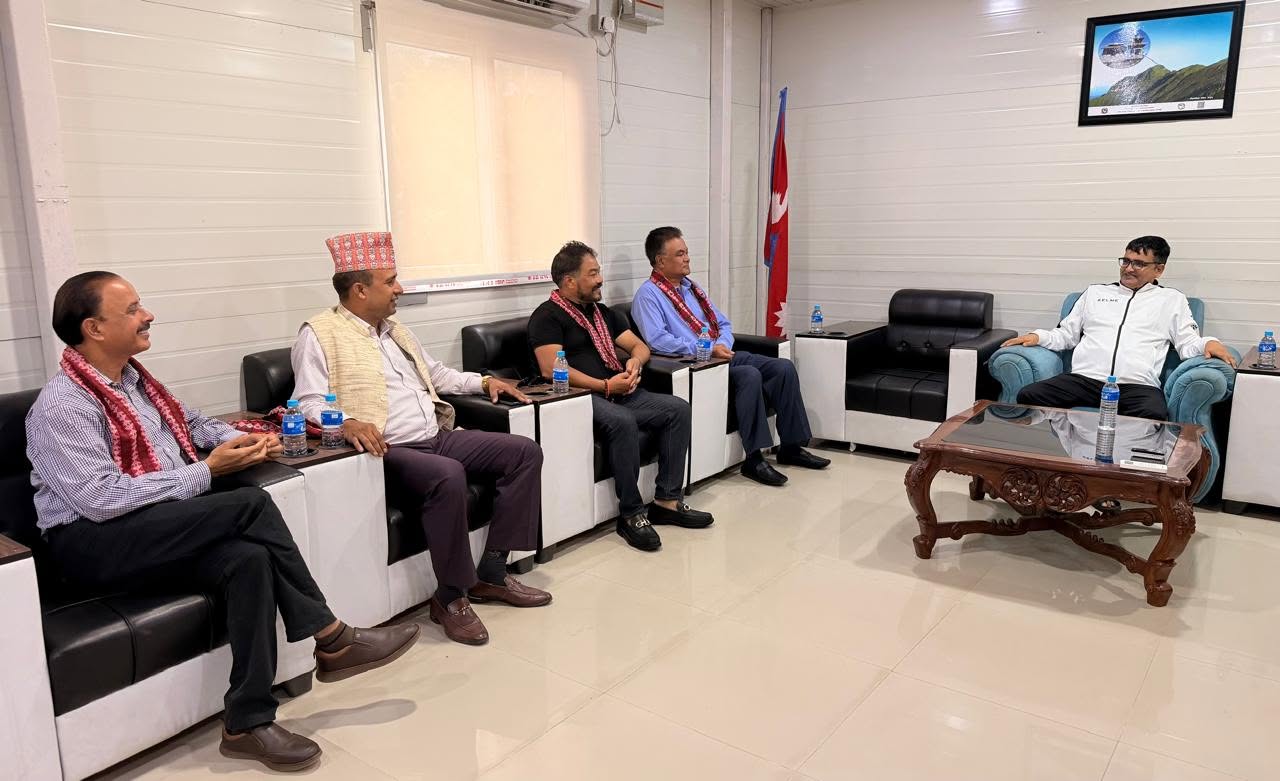
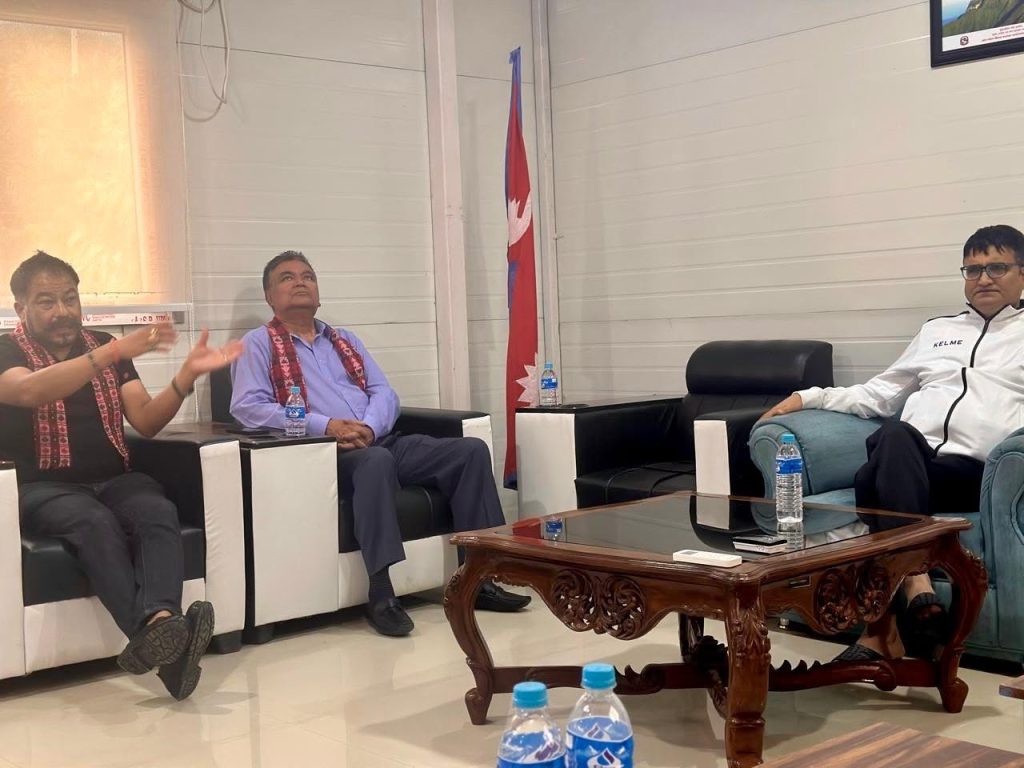
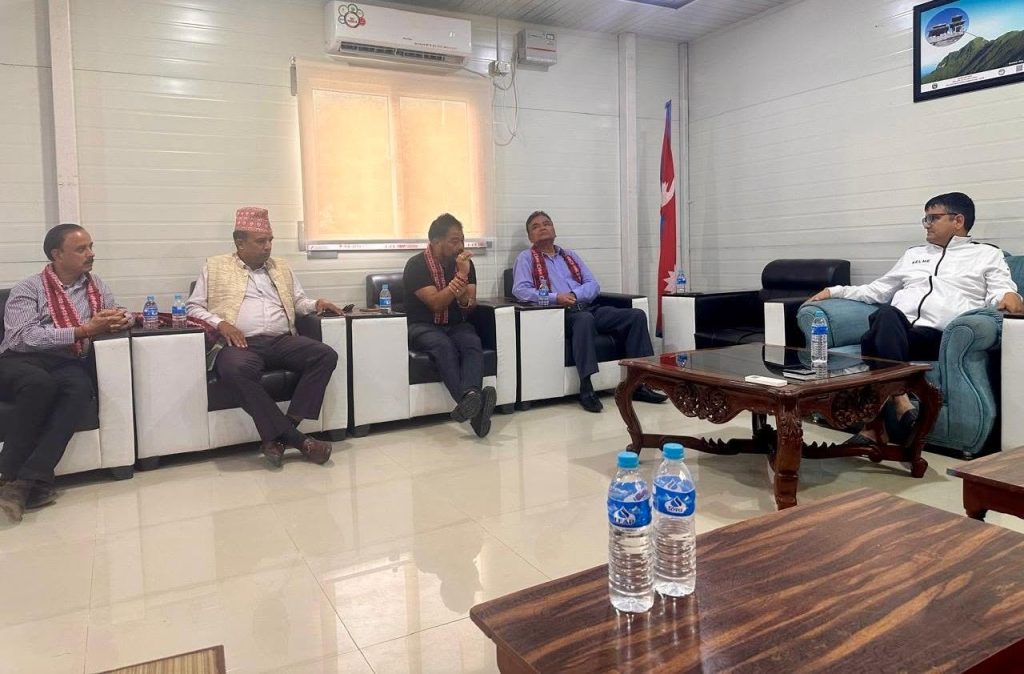
The Sudurpaschim Province government and representatives of the Hotel Association Nepal (HAN) have discussed ways to strengthen tourism development, attract larger private-sector investment, and improve visitor services across the province. Sudurpaschim Province Chief Minister Khag Raj Bhatta held a meeting with HAN President Binayak Shah, Treasurer Youb Raj Shrestha, a newly elected board member of HAN Sudurpaschim Province, and other tourism stakeholders at his residence.
The meeting focused on identifying practical areas of cooperation between the provincial government and the hospitality industry to position Sudurpaschim as a stronger tourism destination. Shah is currently serving as the president of HAN, while Shrestha serves as its treasurer, according to HAN’s current executive committee information.

Attracting Investment in Sudurpaschim’s Tourism Sector
A major focus of the discussion was the need to encourage new investment in hotels, resorts, and other tourism infrastructure. Participants emphasized that the growth of tourism destinations must be accompanied by adequate accommodation and hospitality facilities capable of serving both domestic and international visitors. The hospitality sector has an important role in transforming emerging destinations into commercially viable tourism hubs. Greater investment in quality hotels could provide visitors with more accommodation choices while also creating employment and business opportunities for local communities.
HAN has previously emphasized the importance of strengthening Nepal’s hospitality infrastructure and improving service standards as part of the country’s tourism development. The meeting therefore explored how government policies, infrastructure development and private investment could work together to create a more supportive environment for tourism businesses in Sudurpaschim.
Saipal, Api, Badimalika and Other Destinations Highlighted
The discussion also highlighted the province’s wide range of emerging and established tourism destinations, including Saipal, Api, Badimalika, Ramaroshan, Khaptad, Shuklaphanta National Park and Tripura Sundari Temple. These destinations represent different dimensions of Sudurpaschim’s tourism potential, ranging from high-altitude mountain landscapes and trekking opportunities to religious, cultural, and wildlife tourism.
Saipal and Api have potential for adventure and mountain tourism, while Badimalika and Tripura Sundari offer opportunities for religious and cultural tourism. Khaptad provides a combination of natural landscapes, spiritual significance and outdoor experiences, while Shuklaphanta National Park offers wildlife tourism and nature-based travel opportunities. Ramaroshan, with its lakes, hills and natural landscapes, also has potential to become an important nature and adventure tourism destination. The participants discussed the need to move beyond simply identifying destinations and focus on the infrastructure, accessibility, promotion, and visitor services required to make these places competitive tourism products.
Improving Tourist Services and Government–Private Sector Cooperation
Another major issue discussed was how to provide better and more reliable experiences for tourists visiting Sudurpaschim. Participants emphasized that attracting visitors is only one part of tourism development. Maintaining quality accommodation, food and hospitality services, improving connectivity and ensuring basic visitor facilities are equally important for encouraging tourists to stay longer and return.
The meeting also highlighted the importance of closer coordination between the provincial government and tourism entrepreneurs. Government support in areas such as infrastructure, policy facilitation, destination development and investment promotion could encourage the private sector to expand its presence in the province. HAN has been actively engaging with government agencies on issues including hospitality standards, service delivery and tourism-sector policy, reflecting the association’s broader role in strengthening Nepal’s hotel industry. For Sudurpaschim, stronger government–industry cooperation could help address some of the challenges faced by businesses operating in relatively emerging tourism markets.

Sudurpaschim Seeks a Stronger Position on Nepal’s Tourism Map
Sudurpaschim possesses considerable tourism resources, but many of its destinations remain less developed and less internationally recognized than major tourism centres elsewhere in Nepal. The meeting between Chief Minister Bhatta and HAN representatives signals an effort to bring the government and hospitality industry closer together in developing these destinations. The province’s combination of mountains, national parks, religious sites, cultural heritage and relatively unexplored landscapes gives it the potential to diversify Nepal’s tourism offerings and attract visitors seeking less crowded destinations.
If investment in accommodation and tourism infrastructure is matched by improved accessibility, destination management, promotion and service quality, stakeholders believe Sudurpaschim can gradually establish itself as a major tourism region of Nepal. The discussions also come as HAN continues to strengthen its provincial network. HAN recently established its Sudurpaschim Province association, with the organization expected to work on tourism promotion, hospitality-sector development, and addressing the concerns of tourism entrepreneurs in the province.