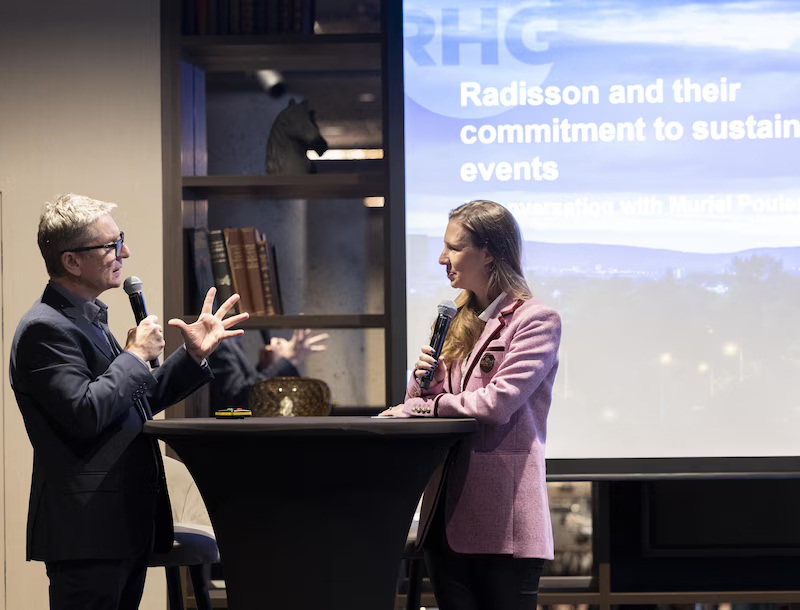
Radisson Hotel Group and the Global Destination Sustainability-Movement (GDS-Movement) have launched a new practical roadmap aimed at helping associations and professional conference organizers (PCOs) turn sustainability commitments into measurable action across the global meetings and events industry. The new guide, titled Accelerating Sustainable & Regenerative Events: A Guide for Associations & PCOs, brings together practical tools, destination sustainability data and measurement frameworks to help event professionals incorporate environmental and social considerations into the planning, delivery and reporting of conferences and other business events. The guide was unveiled about the Radisson Hotel Group in Brussels on September 16, 2026, as the meetings and events sector continues to face challenges in translating growing sustainability ambitions into consistent operational practices.
Sustainability Action Still Lags Behind Ambition
Research cited in the guide shows that 66% of associations consider sustainability highly important, but fewer than 34% have integrated it into their operations. Only 3% report having an advanced sustainability programme. The findings highlight a gap between recognizing the importance of sustainability and putting it into practice. Event organizers often face challenges such as concerns over additional costs, limited access to reliable destination data, fragmented supplier networks and a lack of practical frameworks for implementing and measuring sustainability initiatives.

The challenge can become more complex for associations that organize several conferences and meetings in different countries. Variations in destinations, venues, suppliers and planning processes can make it difficult to maintain consistent sustainability standards across an Radisson Hotel Group’s entire event portfolio. According to Inge Huijbrechts, Chief Sustainability and Security Officer at Radisson Hotel Group, the industry is not primarily facing a lack of sustainability awareness but difficulties in implementation. She said the new guide is intended to help planners move from commitments to practical action by offering useful tools, established frameworks and stronger models of cooperation among destinations, event organizers and suppliers.
Destinations Play a Growing Role
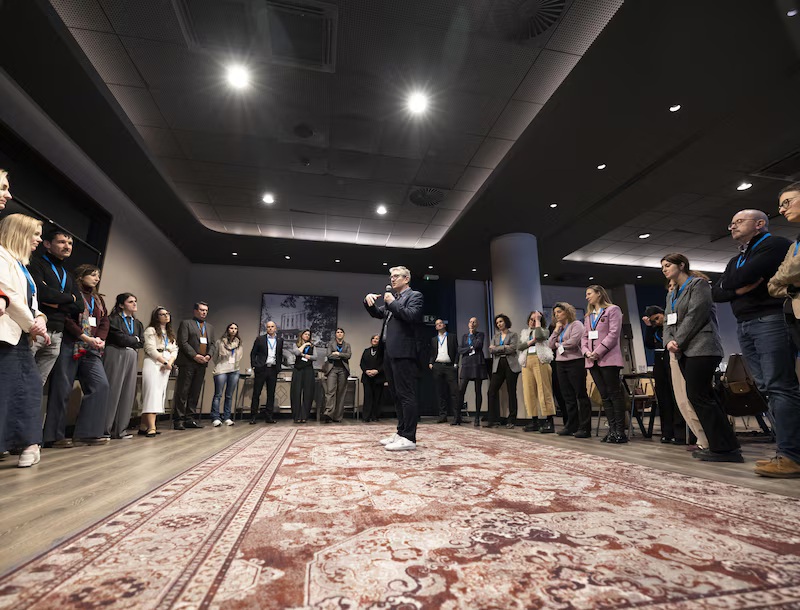
The roadmap emphasizes closer cooperation between associations, PCOs, destinations, venues and suppliers, particularly during the early stages of event planning. The GDS-Index, developed by GDS-Movement, is highlighted as a resource that can help event organizers understand and compare destination sustainability performance. The index assesses destinations using 74 qualitative and quantitative indicators aligned with the United Nations Sustainable Development Goals (SDGs) and the Global Sustainable Tourism Council (GSTC) Destination Criteria.
Access to this type of information can help event planners make more informed decisions when choosing destinations and identifying opportunities to reduce environmental impacts while increasing social and economic benefits. For destinations seeking to attract international conferences and business events, stronger sustainability performance can also become an important part of their wider tourism and MICE strategies.
Five Steps for More Sustainable Events
The guide outlines five practical actions that associations and PCOs can incorporate into their event planning and management:
- Engage destination partners early – Bring destination organizations into the planning process from the beginning to identify local sustainability opportunities and resources.
- Prioritize certified suppliers – Give preference to suppliers and service providers with recognized sustainability credentials and responsible operating practices.
- Integrate social impact and legacy – Build community benefits, social-impact initiatives and lasting local legacies into event design.
- Adopt low-carbon mobility – Encourage lower-emission transportation options for delegates, organizers and other stakeholders to reduce travel-related emissions.
- Measure and report sustainability performance – Establish clear targets and use measurement, reporting and incentive frameworks to track progress and demonstrate results.
The five measures are designed to help organizers move beyond individual environmental initiatives and establish sustainability practices that can be applied consistently across conferences, congresses and other events in different destinations. Radisson Hotel Group brings a substantial international hospitality network to the initiative. The group currently has more than 1,640 hotels in operation and under development across EMEA and APAC, with a presence in more than 100 countries and territories. Its portfolio consists of 10 distinctive hotel brands, serving a wide range of travelers and hospitality segments.
Sustainable MICE Tourism Gains Momentum
The initiative comes amid growing attention to sustainability within the global MICE tourism sector, where conferences, corporate meetings and professional events contribute to destination economies while also creating environmental and social impacts. The partnership between Radisson Hotel Group and GDS-Movement seeks to encourage event organizers to work more closely with destinations and suppliers so that sustainability considerations are incorporated before an event is designed and delivered.

Guy Bigwood, CEO and Chief Changemaker of GDS-Movement, said destinations have a central role in accelerating the transition toward sustainable and regenerative events. He emphasized the value of destination-level measurement in helping organizers make informed decisions and encouraging collaboration across the events ecosystem. Radisson Hotel Group is also pursuing wider sustainability initiatives across its hospitality portfolio. The group says it aims to reach Net Zero by 2050, based on its approved Science Based Targets, while its hotels are being moved toward verification under Hotel Sustainability Basics. Its sustainability work also includes initiatives such as Verified Net Zero and carbon-compensated Radisson Meetings.
With more than 1,640 hotels in operation and under development across EMEA and APAC, Radisson’s global network provides a broad platform for applying sustainability practices across different hospitality and event markets. By combining destination data, practical planning guidance and measurable frameworks, the new roadmap aims to make sustainability a more consistent part of event planning and delivery while encouraging the meetings industry to generate greater environmental, social and economic value.