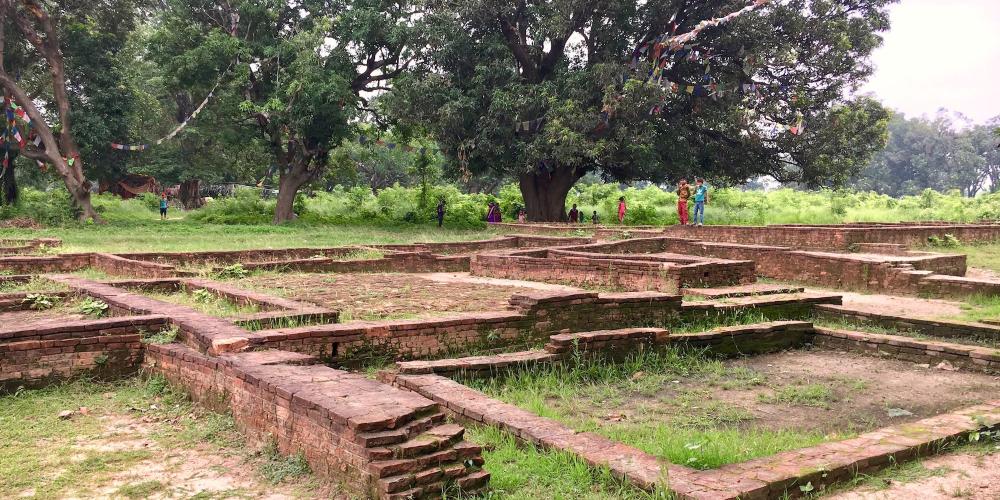
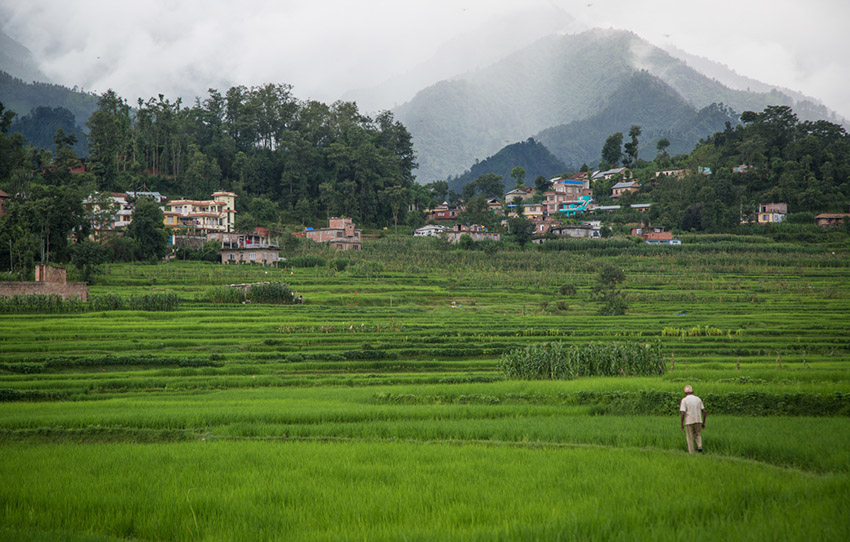
The Public Policy and Delegated Legislation Committee of the National Assembly has decided to study the problems, challenges and necessary measures related to the listing of Tilaurakot, Janakpurdham and Panauti as UNESCO World Heritage Sites.
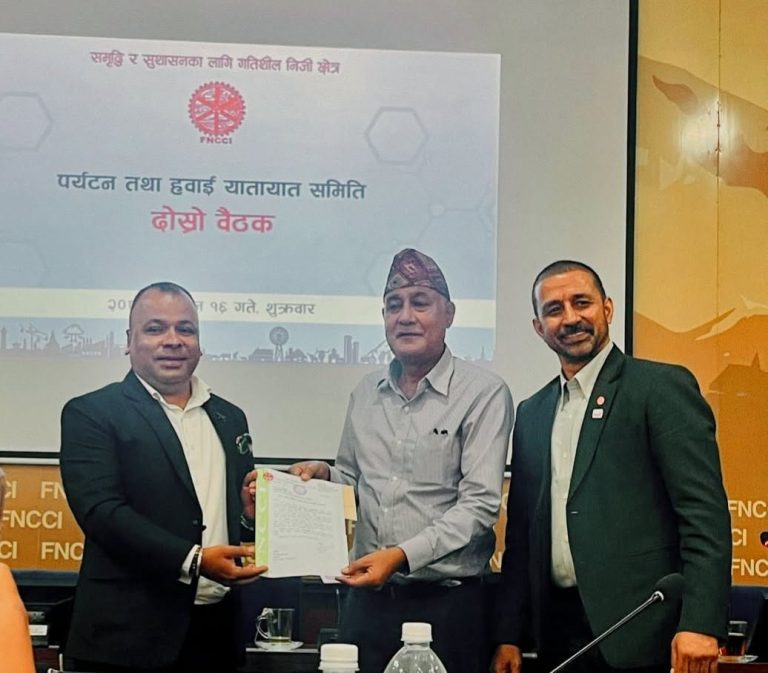
The committee took the decision while approving its annual work plan for fiscal year 2083/84 at its meeting held today. The study will focus on the obstacles preventing the three sites, which are currently on Nepal’s potential World Heritage list, from advancing toward formal World Heritage inscription and identify the steps required to address those challenges.
Study of Potential World Heritage Sites
Under the annual work plan, the committee will conduct a detailed study of the issues surrounding the proposed listing of Tilaurakot, Janakpurdham and Panauti. The study is expected to examine the existing condition of the sites, conservation requirements, institutional responsibilities and other factors that may affect their progress toward World Heritage status.

The committee will also assess the challenges faced by the concerned authorities and explore the measures that need to be taken at the policy and implementation levels to strengthen the protection, management and promotion of these important heritage sites. The initiative is aimed at helping identify practical solutions for advancing the sites toward World Heritage recognition while ensuring that their historical, archaeological, cultural and religious significance is properly documented and preserved.
Focus on More Than 100-Year-Old Heritage
The committee has also included a programme to search for, observe and inspect historical structures, including forts and other heritage sites that are more than 100 years old. The programme is intended to help identify historically significant structures and assess their current condition.

Such documentation and field-level observation could contribute to a broader understanding of Nepal’s built heritage and support efforts to protect structures that hold historical and cultural value. The committee’s work plan seeks to expand attention beyond well-known heritage sites and encourage systematic identification and study of older historical structures across the country.
Roles of Federal, Provincial and Local Governments
The annual work plan also includes a study of the responsibilities and roles that the federal, provincial and local governments need to fulfil for the conservation of historical and archaeological heritage. The committee will examine how the three levels of government can coordinate their responsibilities for heritage protection, conservation, documentation and management. The study is expected to help identify gaps in existing practices and clarify the responsibilities of different levels of government in safeguarding Nepal’s archaeological and historical assets.
Members Call for Greater Heritage Research
During the meeting, National Assembly members emphasised the need for systematic research and documentation to highlight the importance of Nepal’s heritage sites. Members including Chandra Bahadur KC, Meena Singh Rakhal, Rukmini Koirala, Yubaraj Sharma, Jagat Parki, Somanath Poudel, Madankumari Shah (Garima) and Padam Bahadur Pariyar stressed the importance of conducting detailed studies and research on heritage areas.
They called for the significance of historical and archaeological sites to be properly identified and highlighted through evidence-based research. They also emphasised the need to protect historical documents, records and archival materials associated with Nepal’s heritage.

Protection of Historical Documents and Archives
The committee members also stressed that the preservation of historical documents and archival records should receive priority alongside the physical conservation of heritage sites. They argued that historical documents and records provide important evidence about the country’s cultural, political and social history and therefore need to be systematically preserved, studied and made accessible for research where appropriate. The committee is expected to discuss these issues on a priority basis and work toward conclusions that can guide future policies and conservation efforts.
Strengthening Nepal’s Heritage Conservation Efforts
The committee’s annual work plan comes as Nepal continues efforts to protect and promote its rich historical and archaeological heritage. Tilaurakot, Janakpurdham and Panauti represent different dimensions of Nepal’s heritage, including archaeological, religious, cultural and historical significance. By studying the challenges surrounding their potential World Heritage listing, the National Assembly committee aims to contribute to stronger heritage conservation policies and more effective coordination among government agencies.
The committee’s broader programme of inspecting older historical structures and examining the responsibilities of all three levels of government is also expected to support a more systematic approach to identifying, documenting and conserving Nepal’s heritage. The findings from the planned studies could provide recommendations for addressing existing challenges and strengthening efforts to preserve Nepal’s historical and archaeological assets for future generations.