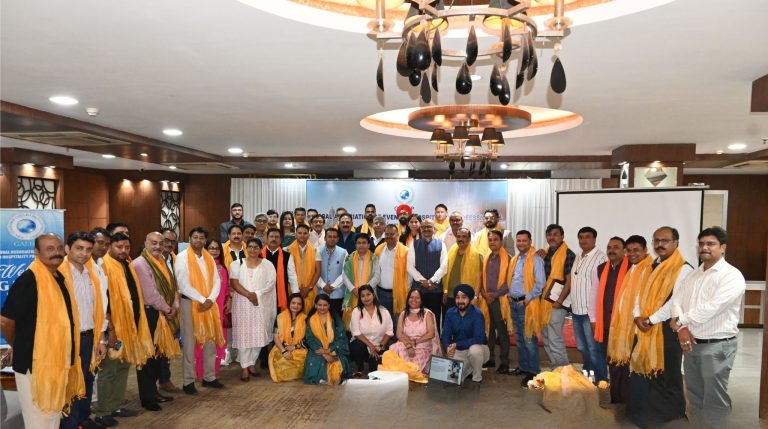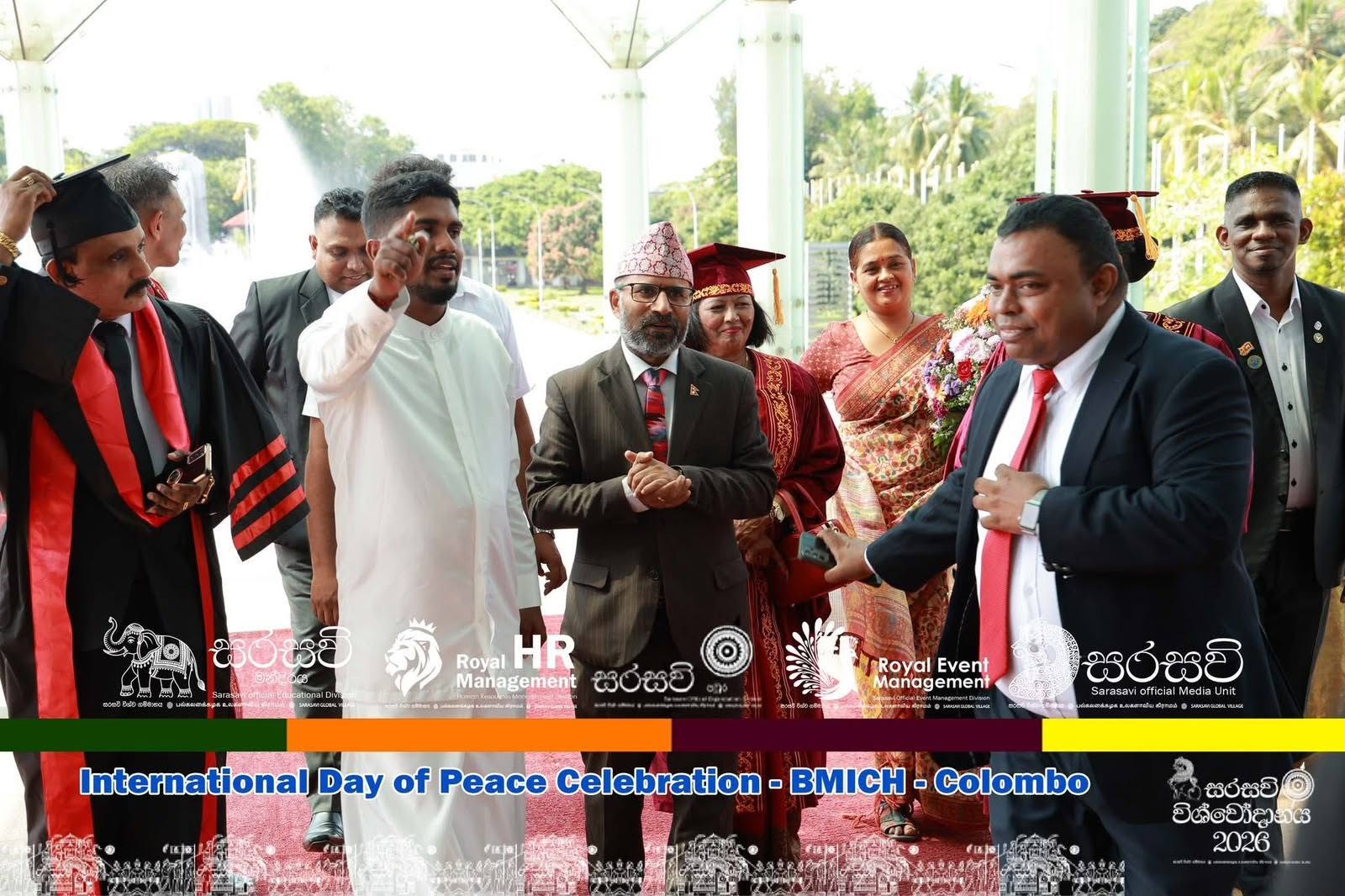
The Embassy of Nepal in Colombo participated in the International Day of Peace Celebration 2026 held at the Bandaranaike Memorial International Conference Hall (BMICH) in Colombo, Sri Lanka, with Nepal highlighting the importance of climate justice, economic opportunity and social harmony as essential pillars of peace.
The event was organised by the International Peace Mission Conference (IPMC) under the theme “We for Peace” on October 5, 2026. Chargé d’Affaires a.i. of the Embassy of Nepal in Colombo, Vijay Kumar Raut, attended the programme as the Special Guest.
Event Held Under Patronage of Former Sri Lankan President
The programme was organised under the leadership of T. Thushitha Kumara Adhikari, Director (Sri Lanka), IPMC, and Youth Representative to the Sectoral Oversight Committee of the Parliament of Sri Lanka. The event was held under the patronage of Maithripala Sirisena, former President of Sri Lanka and Asia-Pacific Regional Chairman of the Universal Peace Federation.

The Embassy of Nepal congratulated the organisers for convening the peace-focused programme and paid tribute to distinguished members of Sri Lanka’s security forces who were honoured during the event for their contributions to peace and stability in the country.
Nepal Highlights Justice as Foundation of Peace
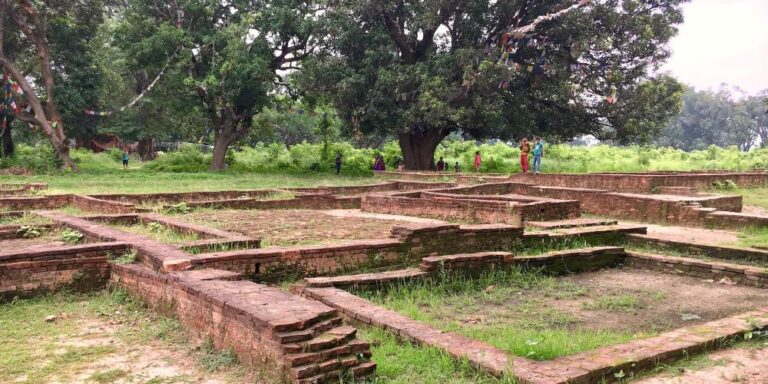
Addressing the gathering, Raut underlined the importance of justice, compassion and solidarity in building lasting peace. Referring to Nepal’s connection with the teachings of Lord Buddha, he highlighted the country’s long-standing message of peace and non-violence. He noted that peace should not simply be understood as the absence of conflict, but as a condition supported by justice, harmony and mutual respect. Raut also recalled the teachings of Lord Buddha, emphasising the principle that hatred cannot be overcome through hatred, but through love and compassion.
Bhotekoshi-Trishuli Disaster Linked to Climate Justice
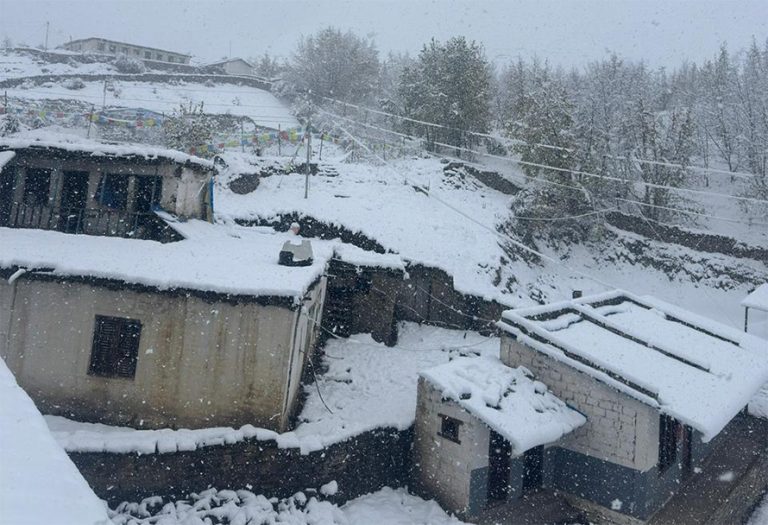
Raut also shared messages delivered by Prime Minister Balendra Shah and Foreign Minister Shishir Khanal at the 81st United Nations General Assembly (UNGA). He highlighted the devastating Bhotekoshi-Trishuli flash flood of August 26, 2026, in Rasuwa, presenting the disaster as a stark reminder of the growing relationship between climate change, human security and peace.

According to the address, the disaster claimed more than 1,450 lives and caused major damage to Nepal’s energy infrastructure, including the loss of around 10 percent of the country’s power generation capacity. Raut stressed that climate-related disasters cannot be viewed solely as environmental challenges and that climate justice must increasingly be recognised as an integral component of peace and security.
Climate Action Linked to Peace in South Asia
Highlighting the interconnected nature of climate change in the region, Raut cited the message delivered by Foreign Minister Khanal at the UNGA that the melting of glaciers in Nepal could have consequences extending to countries such as Sri Lanka through rising sea levels.

The message underlined the need for countries to work together to protect natural resources and address the effects of climate change before they escalate into broader humanitarian and security challenges. The remarks were particularly relevant to Nepal and Sri Lanka, two countries facing different but interconnected climate vulnerabilities, including glacier-related risks, floods, changing weather patterns and rising sea levels.
Three Dimensions of Peace in 2026
Raut highlighted three key dimensions of peace that Nepal considers particularly important in the present context: climate peace, economic peace and social peace.

Climate Peace
He emphasised the need to protect nature, address climate change and strengthen international cooperation to reduce climate-related risks. Climate peace, he suggested, requires countries to recognise that environmental challenges transcend national borders and demand collective solutions.
Economic Peace
Raut also highlighted the importance of creating employment and economic opportunities, particularly for young people. He noted that sustainable peace requires people to have access to livelihoods and opportunities that allow them to build secure futures.
Social Peace
Social harmony and respect among people of different faiths and communities were identified as another essential component of peace. Raut stressed the importance of promoting tolerance, understanding and peaceful coexistence in increasingly diverse societies.

Nepal and Sri Lanka Reaffirm Shared Commitment
Raut noted that Nepal and Sri Lanka, both closely associated with the teachings of Lord Buddha, share a long tradition of resilience, spirituality and cultural connection. He expressed the view that the two countries can continue working together to advance the concept of “Climate as Peace” and promote peace through education. The emphasis on education reflects the belief that greater awareness, knowledge and understanding can help foster tolerance, reduce conflict and build stronger and more peaceful communities.
Embassy Extends Message of Peace
The participation of the Embassy of Nepal in the International Day of Peace programme provided an opportunity to highlight Nepal’s commitment to peace, climate action, sustainable development and regional cooperation. The event brought together representatives from different sectors to promote a shared vision of peace and recognise individuals who have contributed to peace and stability.
Concluding his message, Raut invoked the Buddhist aspiration “Sabbe Satta Bhavantu Sukhitatta”, conveying wishes for the well-being and happiness of all beings. The Embassy reaffirmed its message of peace for Nepal, peace for Sri Lanka and peace for the world, while highlighting the importance of collective action on climate change, economic opportunity, social harmony and education in building sustainable peace.