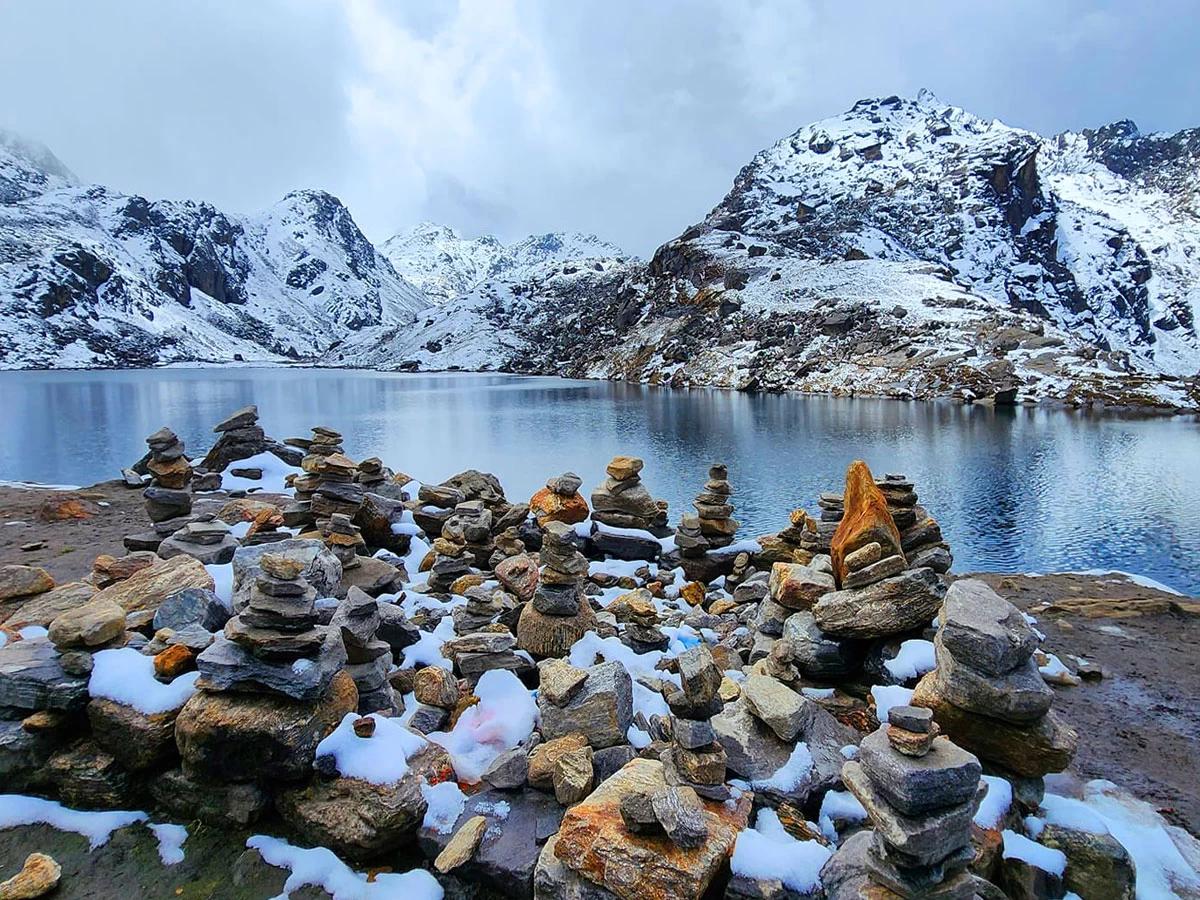
Gosaikunda, a sacred alpine lake situated in the high Himalayan region of Rasuwa district, is increasingly becoming an attractive destination for trekking and religious tourism throughout the year. Located at an altitude of 4,380 metres above sea level, the lake has traditionally attracted large numbers of pilgrims during major religious festivals, but its popularity has expanded in recent years, with domestic and international tourists visiting during different seasons.
The growing accessibility of the destination, expansion of accommodation facilities along trekking routes and increasing interest in Himalayan trekking experiences have contributed to the rise in year-round visitor arrivals. Travellers can reach Dhunche, the district headquarters of Rasuwa, by road from Kathmandu and continue on a trekking journey to Gosaikunda, which generally takes around two days on foot. The destination can also be accessed through alternative trekking routes from Sundarijal in Kathmandu and Samundratar in Nuwakot, providing visitors with different options to explore the surrounding Himalayan landscapes and communities.
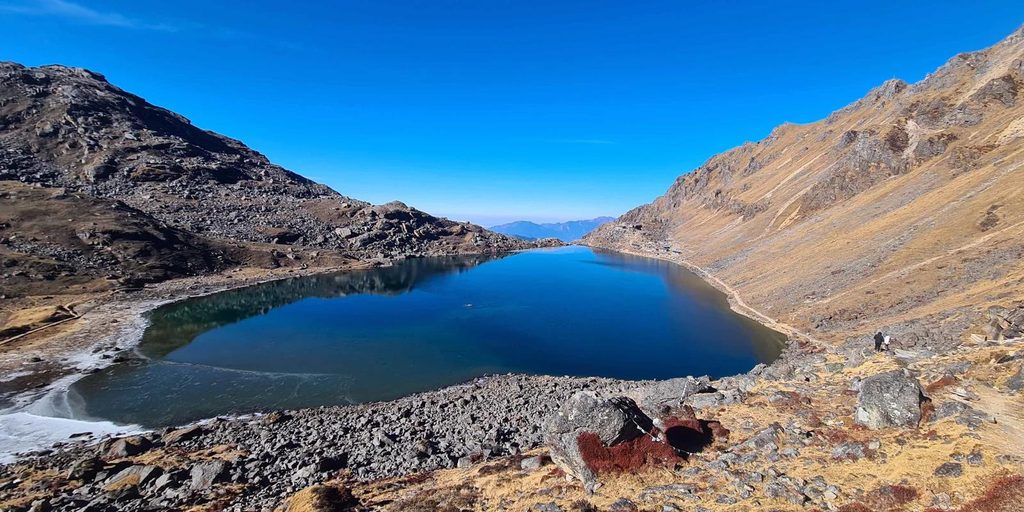
Gosaikunda Attracts Visitors Throughout the Year
Gosaikunda has witnessed a notable shift in its tourism pattern, with visitors increasingly travelling to the lake beyond traditional religious occasions. The availability of hotels, lodges and other accommodation facilities along the trekking trail has made the journey more convenient for travellers seeking to explore the region in different seasons. According to local hotel entrepreneur Srijana Ghale of Khendi, tourists are now visiting the Gosaikunda region throughout the year, whereas visitor activity was previously concentrated mainly during major religious festivals. Improved road connectivity to Dhunche and the availability of food and accommodation facilities along the trekking route have contributed to the growing appeal of the destination.
Hotel entrepreneur Bishal Ghale of Dhunche said the region receives approximately 100 tourists daily under normal conditions, with visitor numbers increasing significantly on certain days. The growing flow of trekkers has supported accommodation businesses, restaurants and other tourism-related services operating in the area. Although the floods of August 26 damaged roads and infrastructure in parts of the region and temporarily affected tourism activities, local entrepreneurs say tourism and daily life have gradually returned to normal. Visitor arrivals have also started recovering, bringing renewed activity to tourism businesses and local communities.
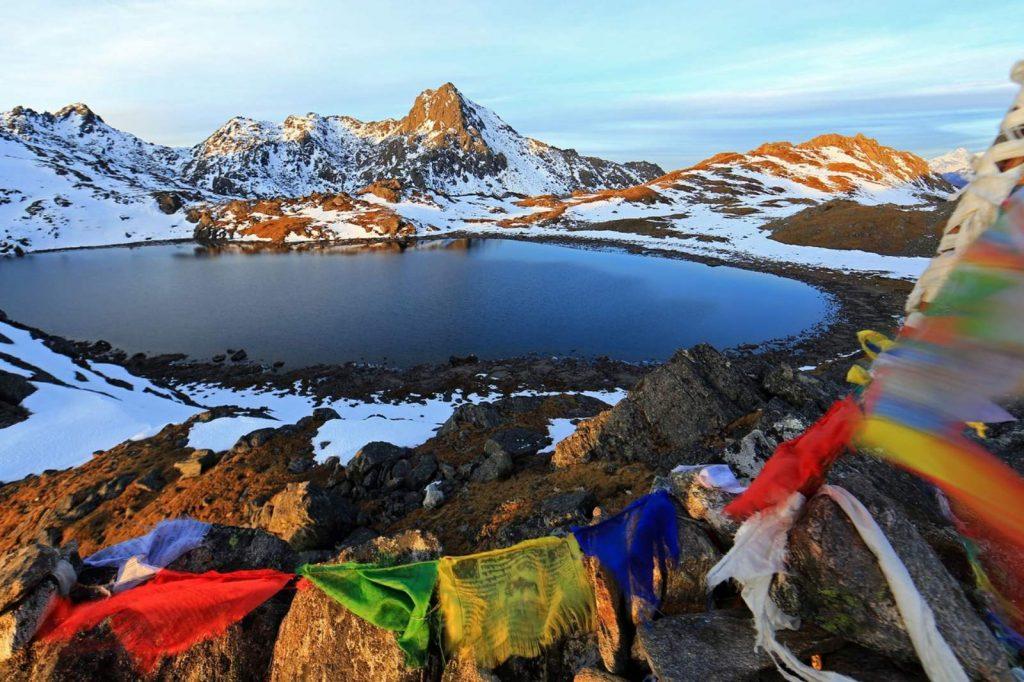
Improved Accessibility and Accommodation Support Trekking Tourism
The expansion of road connectivity and hospitality facilities has played an important role in making Gosaikunda more accessible to visitors. Travellers can reach Dhunche from Kathmandu by road before beginning the trekking journey towards the sacred lake. Alternative routes through Sundarijal and Samundratar also provide opportunities to explore the region through different trekking experiences. The availability of hotels and lodges at different points along the trekking trail has made it easier for visitors to plan their journeys, spend nights in mountain settlements and explore the surrounding natural attractions at a comfortable pace. These facilities have also helped encourage visitors to undertake the trek during seasons other than the traditional pilgrimage periods.
Hotel entrepreneur Sita Devkota, who operates a hotel at Mini Gosaikunda, said tourist arrivals have gradually returned to normal following the temporary disruption caused by the floods. She noted that attractions along the journey, including traditional food experiences in Dhaibung, accommodation and hospitality in Dhunche, and the natural beauty of Chandanbari, contribute to the overall appeal of the trekking route. The journey to Gosaikunda offers visitors an opportunity to experience diverse landscapes, mountain settlements, forests and scenic Himalayan surroundings. The trekking route itself has become an important part of the tourism experience, with travellers enjoying the natural beauty and cultural atmosphere of the region before reaching the sacred lake.
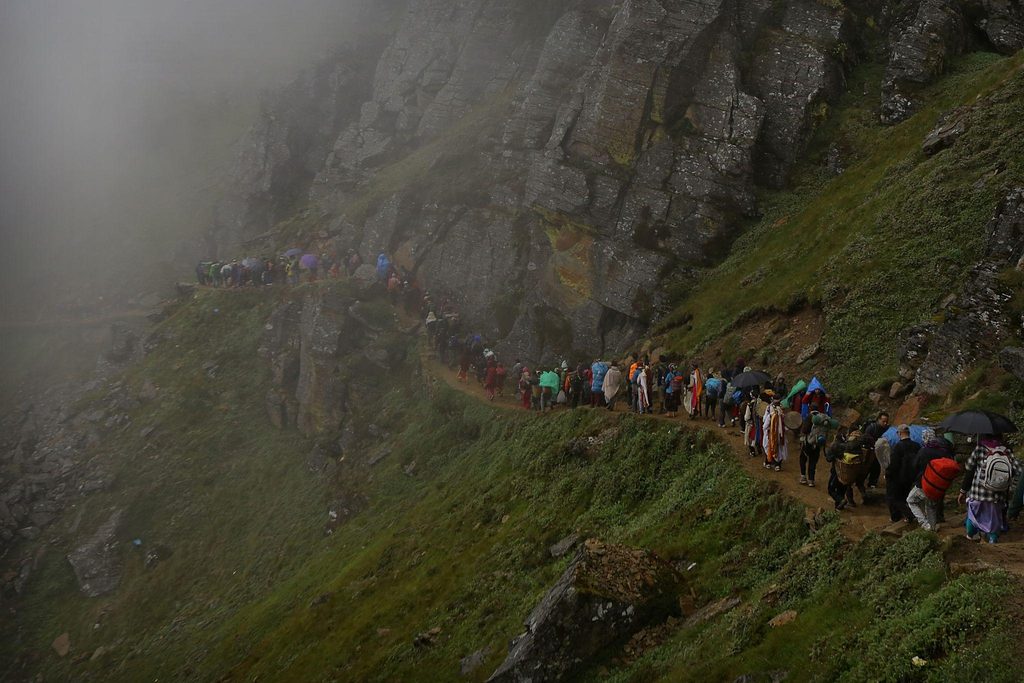
Religious and Historical Significance of Gosaikunda
Gosaikunda holds exceptional religious importance among Hindu devotees and is closely associated with Lord Shiva. According to religious beliefs, the lake was created when Lord Shiva struck the ground with his trident to obtain water after consuming the poison produced during the Samudra Manthan, or the churning of the ocean, to relieve the burning sensation in his throat. Local social activist Dawafinjo Tamang said devotees believe that deities from across the world reside at Gosaikunda, making a bath in the sacred lake equivalent to worshipping all the deities. The lake is also believed to be the resting place of Lord Shiva, adding to its spiritual significance among pilgrims.
Devotees visit Niladri Mountain, where the sacred lake is situated, to perform religious rituals, offer prayers and seek blessings. According to local priest Tankaprasad Dhakal, pilgrims believe that bathing in Gosaikunda helps remove illnesses and brings happiness and peace to their families. The pilgrimage traditionally involves several religious practices. Devotees often seek permission from their family deities before beginning the journey, perform rituals and worship at the Betravati River, and undertake the pilgrimage while chanting ‘Om Namah Shivaya’. The tradition of climbing Suladri Mountain, also known as Lauribinayak, and offering a lauri is another distinctive religious practice associated with the journey.
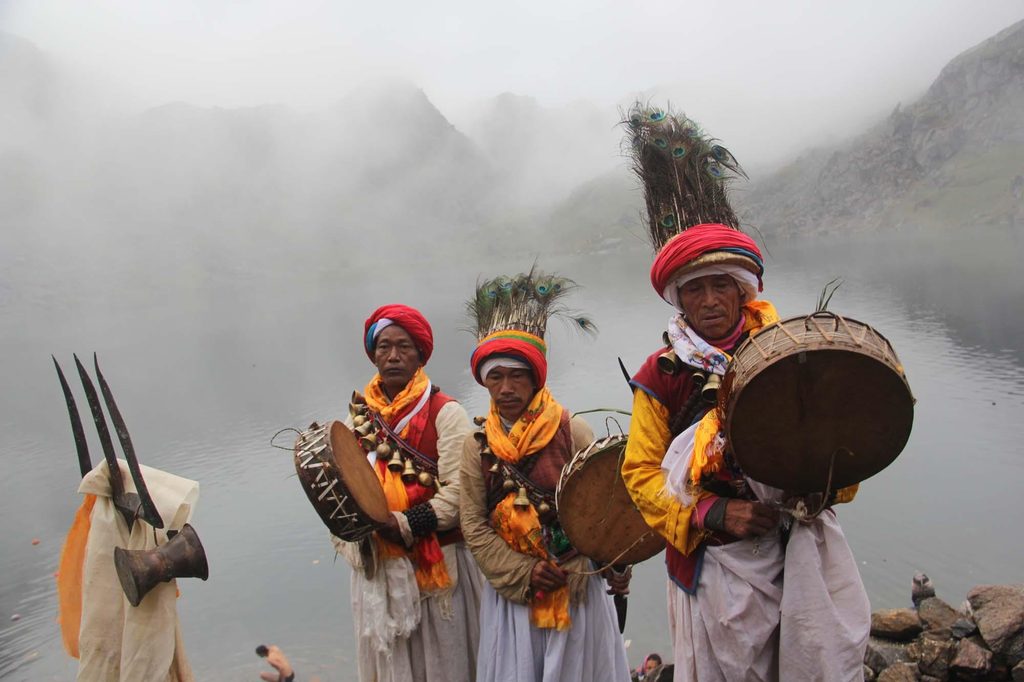
The Gosaikunda region also carries historical significance. Following the Nepal–British War and the Sugauli Treaty, which was considered unfavourable to Nepal, national hero Amar Singh Thapa is believed to have spent his final days in a cave on the southern side of the lake before ending his life at Gosainsthan. The historical association further adds to the cultural and heritage value of the destination.
Trekking Experiences, Visitor Attractions and Responsible Travel
Gosaikunda is among Nepal’s prominent destinations for religious tourism, high-altitude trekking and nature-based travel. The region receives more than 10,000 pilgrims and trekkers annually, reflecting its enduring appeal among travellers seeking spiritual experiences and Himalayan adventures. The trekking experience combines religious traditions with scenic landscapes, mountain views and opportunities to explore the natural environment of the Langtang region. Visitors can experience local hospitality, enjoy traditional food and explore different settlements along the route while gradually ascending towards the high-altitude lake.
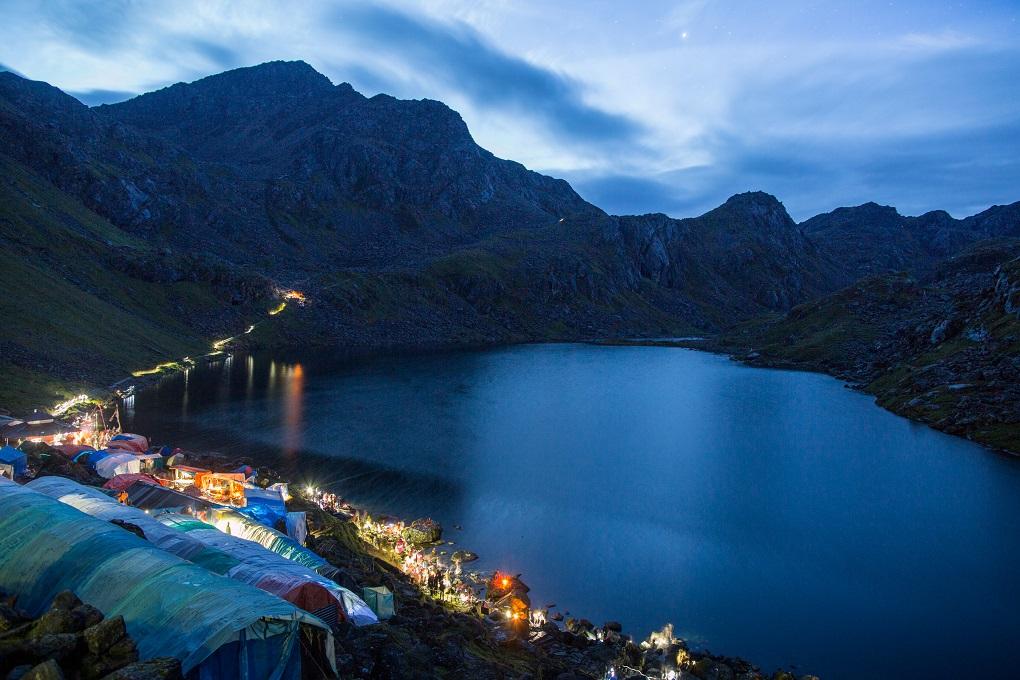
Although trekking to Gosaikunda is possible in different seasons, the higher sections of the trail require careful preparation due to the altitude and reduced oxygen levels. The area above Lauribinayak has limited vegetation, and trekkers may face altitude-related health risks during the ascent. Local residents recommend that visitors drink sufficient water and glucose, carry necessary medicines following medical advice, and take precautions to minimise the risk of altitude sickness. Travellers are also encouraged to ascend gradually, allow sufficient time for acclimatisation and seek assistance if they experience symptoms associated with high altitude.
With its religious significance, historical heritage, Himalayan landscapes, expanding accommodation facilities and growing accessibility, Gosaikunda is strengthening its position as an important year-round tourism destination in Nepal. The increasing number of visitors beyond traditional festival periods is creating new opportunities for local hospitality businesses and communities while further enhancing the destination’s appeal among domestic and international travellers.
Source-RSS