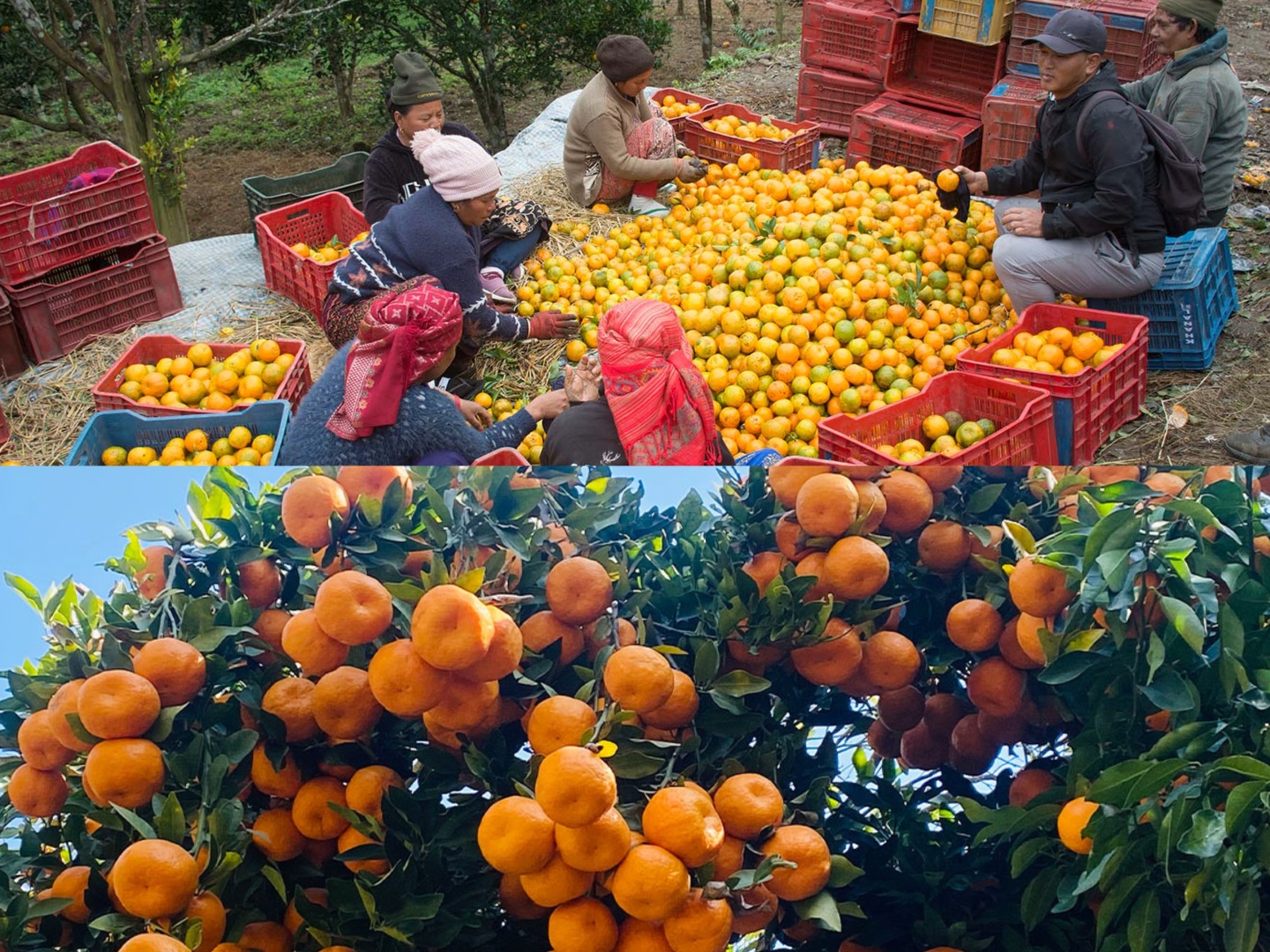
Orange orchards in Ilam’s Salakpur are emerging as a major rural tourism attraction, drawing domestic and Indian visitors while supporting local livelihoods through agriculture, homestays and direct farm sales. Salakpur, a picturesque village in Rong Rural Municipality-6 of Ilam district in eastern Nepal, is witnessing a growing transformation driven by commercial orange farming and tourism. The village, known for its extensive orange orchards and scenic landscapes, generates an estimated Rs 30 million to Rs 40 million annually from orange sales alone. Alongside agricultural income, the increasing arrival of domestic and Indian tourists has positioned Salakpur as an emerging agro-tourism destination in eastern Nepal.
Located approximately 30 kilometres north of Kakarbhitta, one of Nepal’s major eastern border points, Salakpur has around 90 hectares of land under orange cultivation. During the orange season, the village takes on a vibrant appearance as its orchards become filled with ripe, golden-yellow fruits. The seasonal attraction has encouraged visitors to travel to the village to explore the orchards, taste fresh oranges directly from the trees and enjoy the surrounding natural scenery.
Tourists from different parts of Nepal and neighbouring India visit Salakpur to experience its agricultural landscape and rural lifestyle. The combination of orange picking, orchard walks, scenic viewpoints and local hospitality is gradually establishing the village as an attractive destination for visitors seeking experiences beyond conventional sightseeing.
Orange Farming Becomes a Major Source of Local Income
Orange cultivation has become one of the principal economic activities in Salakpur, providing livelihoods to more than 100 households. According to Ward Chairperson Satyam Rai, the village receives approximately 100 tourists daily during the season. The ward office estimates that Salakpur produces an average of 450 to 600 metric tonnes of oranges annually, with production increasing further in favourable weather conditions and when orchards experience fewer pest and disease problems.
Orange sales alone generate an estimated annual income of Rs 30 million to Rs 40 million, making the fruit an important contributor to the local economy. The commercial success of orange farming has also encouraged farmers to expand their orchards and invest in new plantations. Although some older orange trees have died due to diseases, farmers have continued replacing them with new saplings to sustain and expand production.
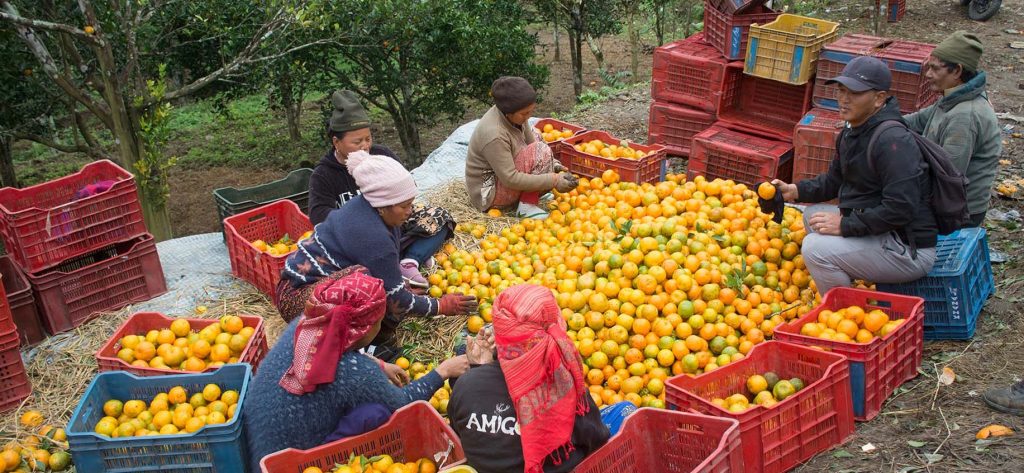
Salakpur oranges are particularly popular for their sweet taste and juiciness. Their reputation has helped create demand in several major markets across eastern Nepal, including Kakarbhitta, Birtamod and Damak in Jhapa, as well as Biratnagar in Morang. The oranges are also marketed in nearby Indian markets, particularly Siliguri and Naxalbari, where they are promoted under the identity of Salakpur-grown oranges. The growing market demand has created opportunities not only for farmers but also for local traders and tourism-related businesses. Traders increasingly visit the orchards themselves to purchase oranges directly from producers, while tourists also contribute to farm income through direct purchases.
Orange Orchards and Homestays Attract Domestic and Indian Tourists
Agricultural tourism is becoming an increasingly important part of Salakpur’s local economy. Visitors from Ilam, Jhapa, Morang and Sunsari, along with tourists from Indian destinations such as Siliguri, Darjeeling and Kolkata, are travelling to the village to experience its orange-growing landscape. According to local resident Deben Khadka, around 30 households in the village operate homestays, which receive a particularly high number of guests on Fridays and Saturdays. The growth of homestay tourism has created additional income opportunities for local families while allowing visitors to experience village life, local hospitality and agricultural activities.
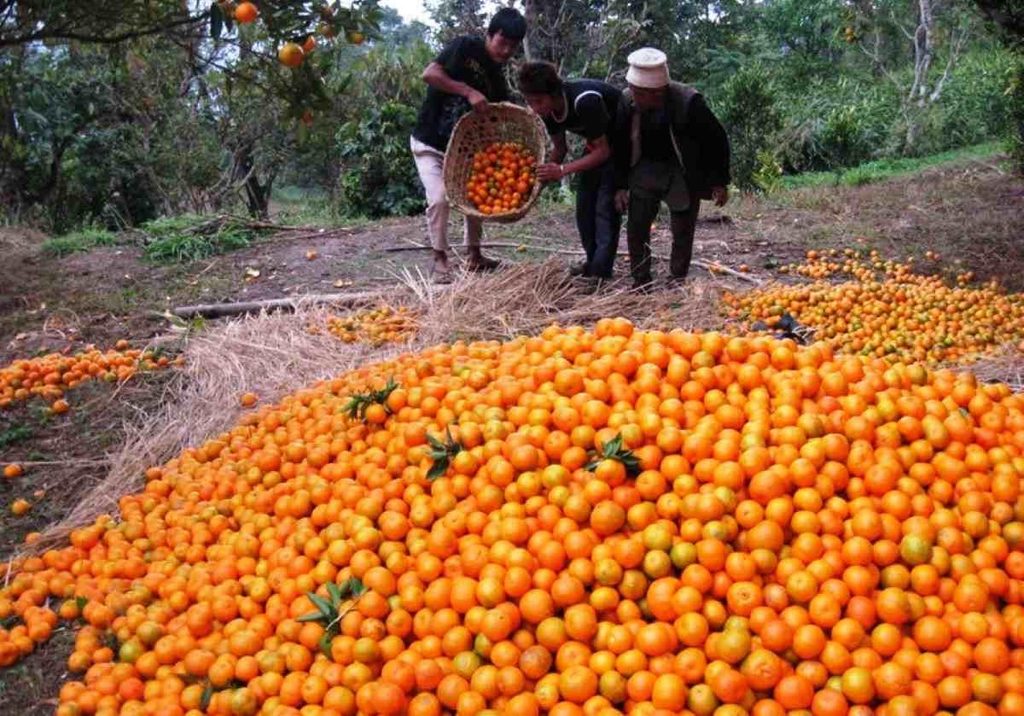
Salakpur has approximately 30 large orange orchards, offering visitors opportunities to walk through fruit-laden gardens, enjoy fresh oranges and take photographs among the trees. One of the attractions for visitors is the opportunity to purchase oranges directly from the orchards at comparatively lower prices. While oranges sell for approximately Rs 210 to Rs 220 per kilogram in urban markets, visitors travelling to the orchards can purchase fresh oranges for around Rs 130 per kilogram. This direct farm-to-consumer arrangement benefits both visitors and farmers by offering affordable produce while providing growers with an additional sales channel.
Tourist arrivals increase significantly towards the weekends. Khadka estimates that approximately 300 to 500 visitors reach Salakpur on Fridays and Saturdays, travelling from Birtamod, Damak and Dhulabari in Jhapa, Urlabari in Morang and different parts of India. Visitors arrive through the Ninda-Salakpur route, also known as the Kadam walking trail, as well as by private vehicles and other means of transportation.
Sunrise Views and Scenic Trails Add to Salakpur’s Tourism Appeal
Beyond its orange orchards, Salakpur offers visitors opportunities to explore the surrounding natural landscape. Gurdhum Hill is another attraction, where visitors can enjoy panoramic sunrise views alongside their orchard experiences. The combination of agricultural activities and scenic viewpoints adds diversity to the village’s tourism offerings. Khadka, who has also established an orange orchard across 10 ropanis of land, said orange production has been better this year compared with previous years. The favourable harvest has further strengthened the village’s appeal during the orange season, when visitors can enjoy both the landscape and freshly harvested fruits.
The Ninda-Salakpur (Kadam) walking trail has also contributed to the area’s growing popularity, particularly among visitors interested in walking and exploring rural landscapes. Increased weekend movement along this route has helped connect the village’s agricultural attractions with outdoor recreation, creating opportunities to promote Salakpur as a destination for agro-tourism and short rural excursions. The growing number of visitors has also strengthened the role of homestays and direct agricultural sales in the local tourism economy. As more tourists visit the orchards, local households have opportunities to earn from accommodation, food services and the sale of locally produced agricultural goods.
A Growing Agricultural Heritage with Wider Market Recognition
The history of commercial orange farming in Salakpur dates back to 2004 B.S., when Gaurilal Lama migrated from Darjeeling and introduced orange cultivation in the village. Initially, the farmers planted saplings brought from Darjeeling. Over the years, orange farming expanded from its early beginnings into a commercial agricultural activity that now supports a significant number of households.
Farmers have also adopted improved varieties of orange saplings brought from Palpa, which have been producing encouraging results. The gradual development of orchards, improved planting materials and expanding market access have helped establish orange cultivation as a key economic activity in the area. Salakpur, together with the nearby Kuwapani and Jaubari areas, is also known for producing cardamom, Akabare chillies, amriso (broom grass) and honey. This agricultural diversity provides further opportunities to promote local products and develop tourism experiences centred on farming, rural culture and regional food.
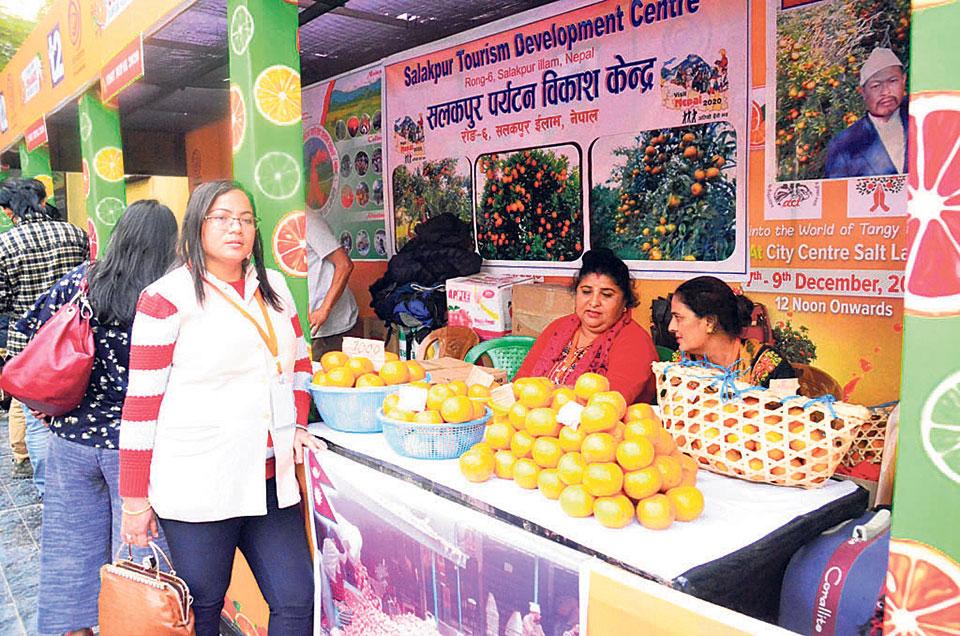
The village’s orange production has also gained recognition beyond Nepal. Locally produced oranges are taken each year to the Orange Festival held in Kolkata, India, for exhibition and sale, helping introduce Salakpur’s agricultural products to a wider market. With its expanding orange orchards, established homestay network, scenic walking routes and growing popularity among domestic and Indian visitors, Salakpur is gradually developing a distinctive identity as an agricultural tourism destination. The village’s experience demonstrates how local agricultural products can become tourism attractions while creating additional livelihood opportunities for rural communities.
Source-RSS