Kathmandu’s iconic Yak and Yeti Hotel, known for preserving the city’s rich cultural heritage, is up for sale as it faces increasing operational challenges. Despite its prestigious history and prime location, the hotel has been unable to meet profit expectations, prompting its management to seek buyers. The asking price for the hotel has been set at NPR 30 billion.
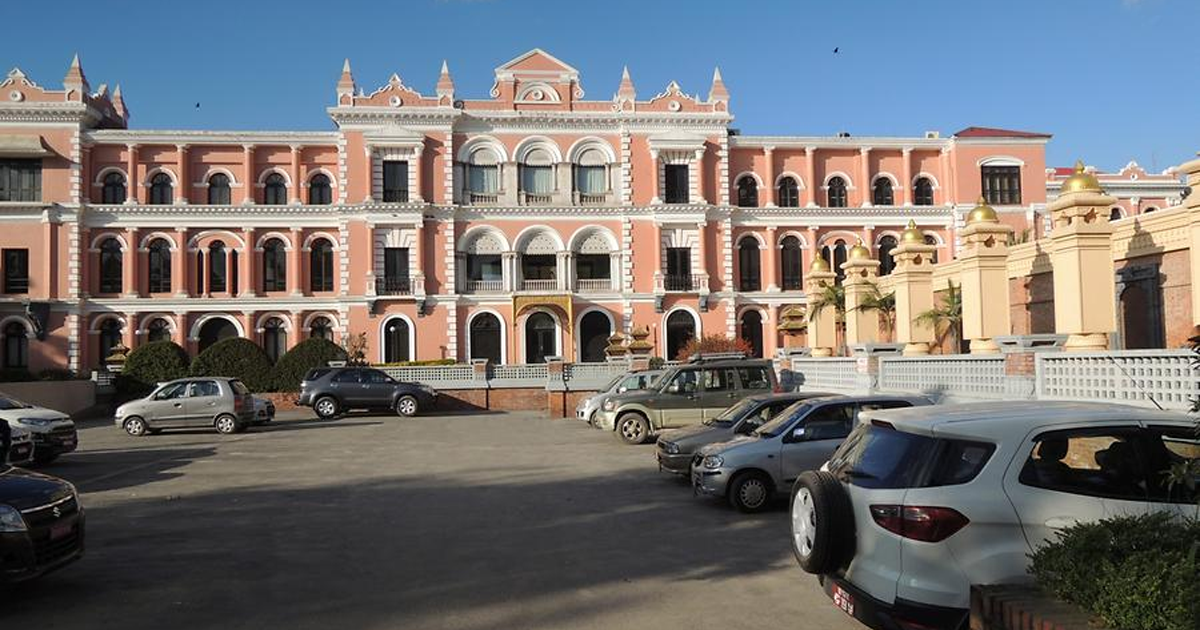
Situated in Durbar Marg, Yak and Yeti operates within a 100-year-old palace structure, the historic Lal Durbar, and spans across 57 ropanis of land. The hotel is renowned for its luxurious offerings, including the Lal Durbar Convention Center, which serves as a major venue for conferences and events. It boasts several halls, such as the Ballroom, Regency Hall, Durbar Hall, Dynasty Hall, Kestrel Hall, Cine, and Viceroy, making it a popular destination for high-profile gatherings. The hotel’s prime location and historical significance have long made it a symbol of Kathmandu’s tourist and cultural landscape.
Currently, a portion of the hotel is undergoing renovations, but it remains partially operational. Yak and Yeti features 247 rooms and includes amenities such as a swimming pool, jacuzzi, sauna, lawn tennis court, cycling facilities, gym, wellness center, spa, and a casino. The hotel has been managed by an Indian hospitality group since the passing of its founder, Radhe Shyam Saraf, in March 2022, with his family continuing to oversee operations.
According to sources linked to the hotel, the business has struggled to regain momentum after the COVID-19 pandemic. With the number of tourists arriving in Nepal still far below pre-pandemic levels, many hotels, including Yak and Yeti, have faced challenges in maintaining profitability.
Nepal currently can accommodate around 3.5 million tourists annually, but only about 1 million visitors arrive each year, leaving many hotels under-occupied. Vinayak Shah, President of the Hotel Association of Nepal (HAN), noted that the hospitality sector has not seen the expected growth in recent times. As a result, even well-established five-star hotels are finding it difficult to remain viable, with sales or mergers becoming more common.
Yak and Yeti, with its rich Rana-era heritage, has not been immune to these industry-wide struggles. Additionally, the hotel has faced legal issues in recent years, particularly regarding unpaid casino royalties amounting to approximately NPR 500 million. Two years ago, former Minister of Tourism Prem Ale ordered the closure of the hotel due to unpaid dues. Although the court issued a stay order preventing the hotel’s closure, the issue of outstanding casino royalties remains unresolved and is still being litigated.
Despite being listed on the Nepal Stock Exchange (NEPSE) since October 1984, Yak and Yeti has not updated its financial disclosures in recent years, rendering its stock inactive. Although the hotel sector has seen some recovery, the hotel’s financial situation remains unclear due to the lack of publicly available profit or loss statements.
In light of these operational and financial difficulties, the sale of Yak and Yeti, a landmark in Nepal’s hospitality industry, reflects the broader challenges facing the tourism and hotel sectors in the country.