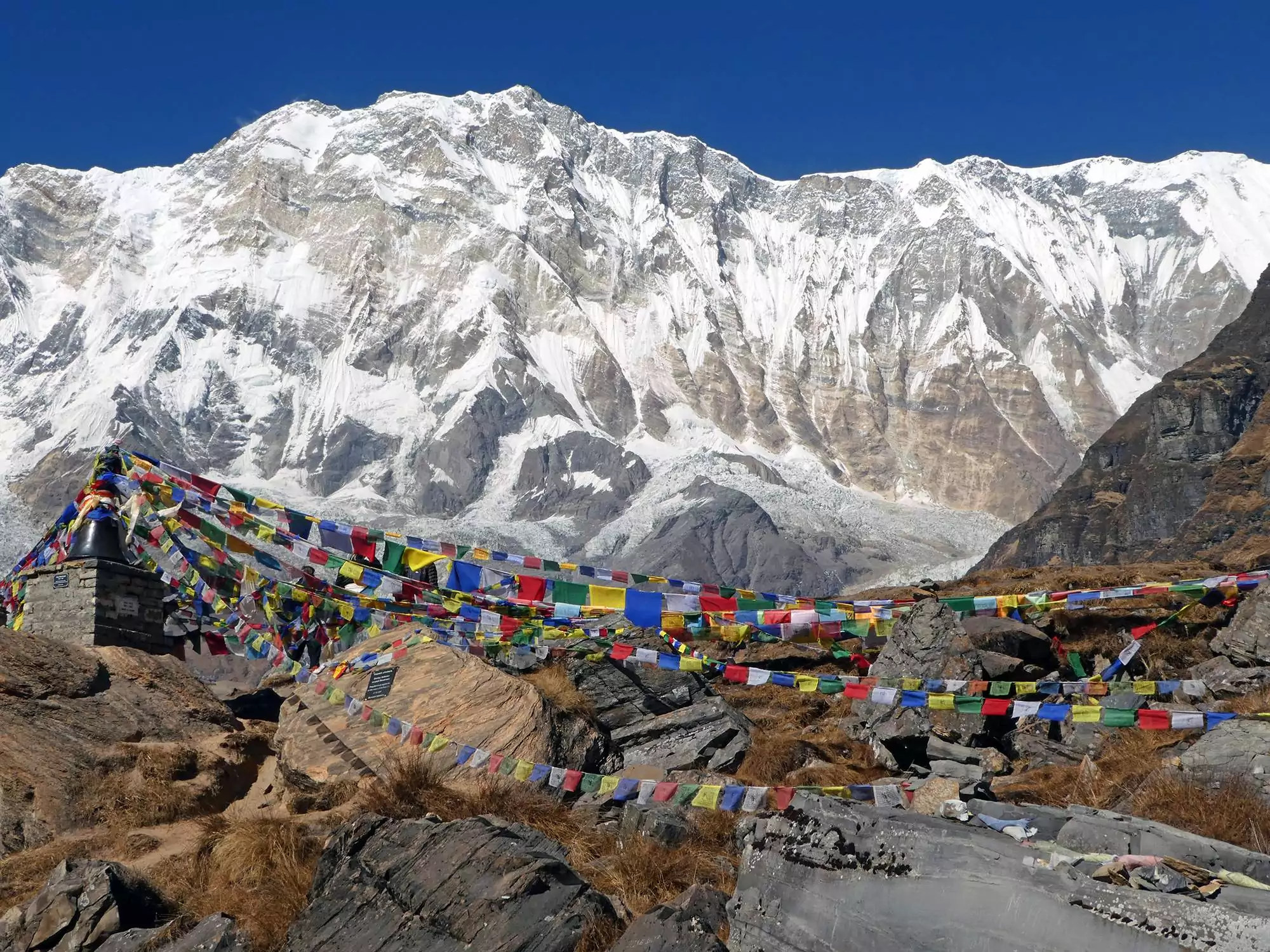
The District Administration Office, Manang, has suspended trekking along the Annapurna Circuit for one week due to the risk of avalanches, even though snowfall has stopped. The decision comes in response to safety concerns after several days of heavy snowfall disrupted trekking routes and stranded hundreds of tourists in the region.
Chief District Officer Navaraj Paudel informed that while the weather has improved and snow removal efforts have been completed along the main road, the trekking trails remain unsafe. “Dozers have been used to clear snow from the blocked roads since Monday night, and the route has been opened up to Khangsar. However, the trekking trail itself is still not open,” he said. “Although the snowfall and rain have stopped, trekking at this time is still not advisable due to lingering snow and avalanche risk.”
The administration has urged all domestic and international trekkers to avoid traveling along the route for at least one week until the situation stabilizes. Officials have also requested trekking agencies and guides to comply with the temporary restriction to ensure the safety of their clients.
Trekking Halted After Heavy Snowfall and Road Blockage
The recent spell of heavy snowfall severely affected movement along the Annapurna Conservation Area in Manang, one of Nepal’s most popular trekking regions. The snow blocked roads and trails leading to destinations such as Tilicho Base Camp and Khangsar, stranding hundreds of trekkers and locals.

According to the District Administration Office, the blocked roads have now been partially cleared, making it easier for those stuck in higher altitudes to return safely. However, with thick snow still covering sections of the trekking route and unstable slopes posing the risk of landslides and avalanches, the area remains unsafe for fresh trekking activity.
Over 1,500 Tourists Rescued from the Region
Authorities reported that around 1,500 domestic and foreign tourists were rescued from the Manang section of the Annapurna Circuit on Tuesday. Among them, nearly 200 were foreign nationals, while the rest were Nepali trekkers and guides. Many had been stranded in various locations along the route for several days after the snowfall intensified and the temperature dropped sharply.
“Approximately 400 trekkers who had been on their way to Tilicho Base Camp had to turn back as the route became impassable due to deep snow,” said CDO Paudel. The rescue efforts were carried out with the help of security personnel, local volunteers, and trekking agencies, ensuring all stranded tourists reached safer areas.
Authorities Urge Caution as Weather Remains Unstable
Although the weather has started to improve, local authorities and security agencies remain on high alert. The administration has warned that the sudden melting of snow could increase the likelihood of avalanches and rockfalls in steep sections of the trail.
Officials have advised tourists currently in Manang to stay in their lodges or descend to lower altitudes until the situation becomes stable. “Our primary focus is on preventing any accidents,” said CDO Paudel. “We will reassess the situation after a week and make a decision based on weather and trail conditions.”

Coordination Among Agencies for Tourist Safety
The Annapurna Conservation Area Project (ACAP), in coordination with the District Administration and the Nepal Police, has deployed teams to monitor the condition of trails and assist trekkers where necessary. Security personnel and local volunteers are also stationed at key checkpoints to provide information and support to tourists returning from higher regions.
Rescue and relief operations are continuing in the affected areas, ensuring that no tourists remain stranded in remote sections. ACAP officials have emphasized that once the weather fully clears and trail inspections are completed, the route will be reopened in a phased manner.
Tourism Impact and Future Outlook
The temporary closure of the Manang trekking section has affected tourism-related businesses such as lodges, guides, and transport operators. However, local authorities stress that safety must remain the top priority. The Annapurna region, known for its stunning landscapes and diverse trekking routes, attracts thousands of adventure travelers every autumn, making such precautionary measures necessary during extreme weather events.
With clear skies gradually returning and rescue efforts successfully concluded, officials are optimistic that trekking activities will resume soon under safer conditions. For now, the one-week suspension is expected to give time for the snow to settle and for authorities to conduct safety assessments before reopening the trail.