The Airlines Operators Association of Nepal (AOAN) has urged mountain guides, trekkers, expedition teams and other tourism stakeholders to strengthen helicopter safety awareness in trekking and mountain tourism areas following a safety-related incident involving a helicopter landing operation. In a letter addressed to the Nepal National Mountain Guides Association (NNMGA), AOAN highlighted the potential risks associated with approaching helicopters during landing and takeoff, particularly when passengers, trekkers or ground personnel enter the aircraft’s operating area without receiving clear instructions from the flight crew or authorised ground staff.
The association has requested NNMGA to circulate helicopter safety guidelines among its members, trekking guides, expedition leaders, porters and other personnel working in mountain tourism to help prevent similar incidents and ensure safer helicopter operations in Nepal’s trekking destinations.
Incident Highlights Risks During Helicopter Landing Operations
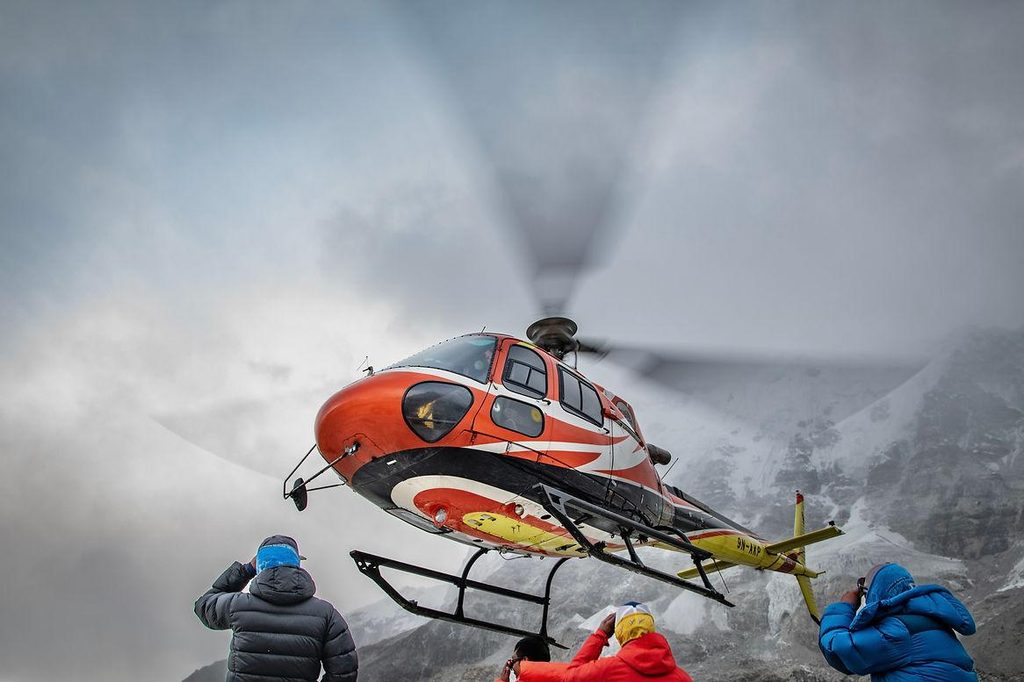
According to the letter issued by AOAN, a recent incident occurred during a helicopter landing operation in a trekking area when the aircraft had not yet completed its landing. A pedestrian reportedly approached the helicopter without receiving clear instructions from the flight crew or authorised ground personnel. The movement of the individual near the helicopter, combined with the strong air pressure generated by the rotating rotor blades, caused belongings carried by the pedestrian to be blown into the helicopter’s operating area. The incident created a serious Foreign Object Debris (FOD) risk, potentially affecting the safety of the helicopter and its operations.
AOAN noted that such situations can pose significant safety concerns during helicopter landing and takeoff, particularly in mountain areas where helicopters frequently operate for passenger transportation, trekking support, expedition logistics and emergency evacuation. The association emphasised that approaching a helicopter without proper authorisation and guidance can create hazards for passengers, ground personnel, pilots and the aircraft itself. It also pointed out that loose belongings can become airborne due to rotor wash, potentially entering the aircraft’s operating area and creating additional risks.
Importance of Maintaining Safe Distance Around Helicopters
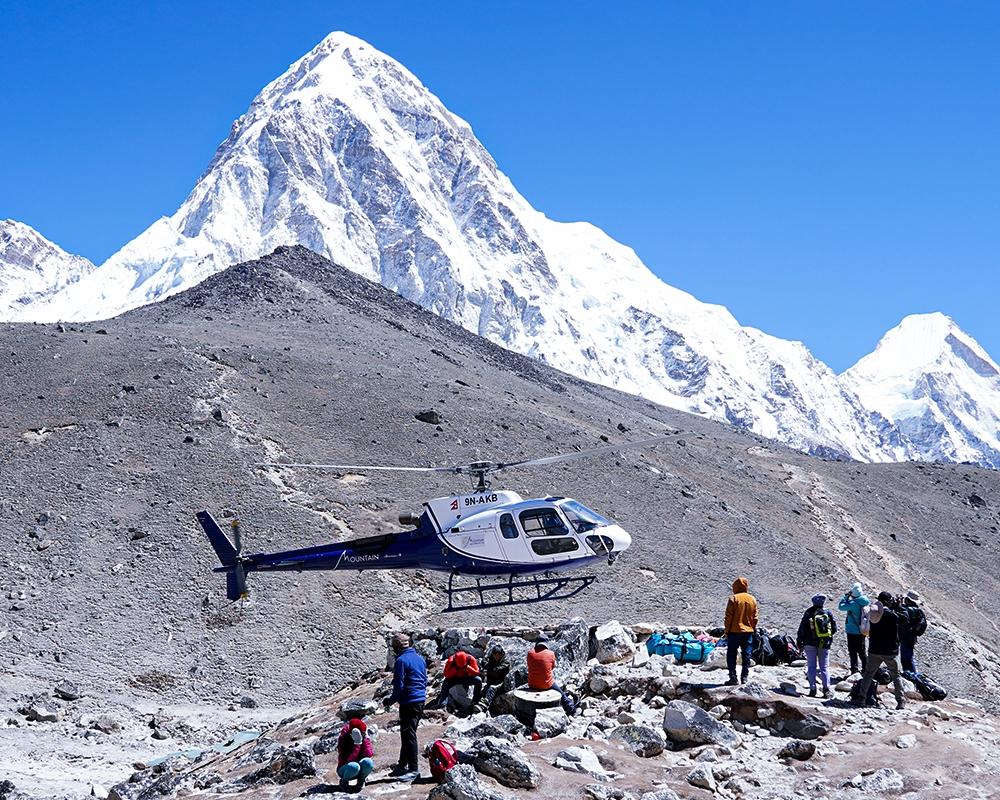
AOAN has stressed that passengers, trekkers and other individuals must maintain a safe distance from helicopters during landing and takeoff operations. According to AOAN, individuals should not approach an aircraft until they have received clear instructions from the pilot, flight crew or authorised ground personnel. The association has also highlighted the importance of securing personal belongings before entering or approaching a helicopter operating area. Items such as trekking hats, caps, scarves, jackets, plastic bags, maps and other lightweight equipment should be properly secured to prevent them from being blown away by rotor-generated air pressure.
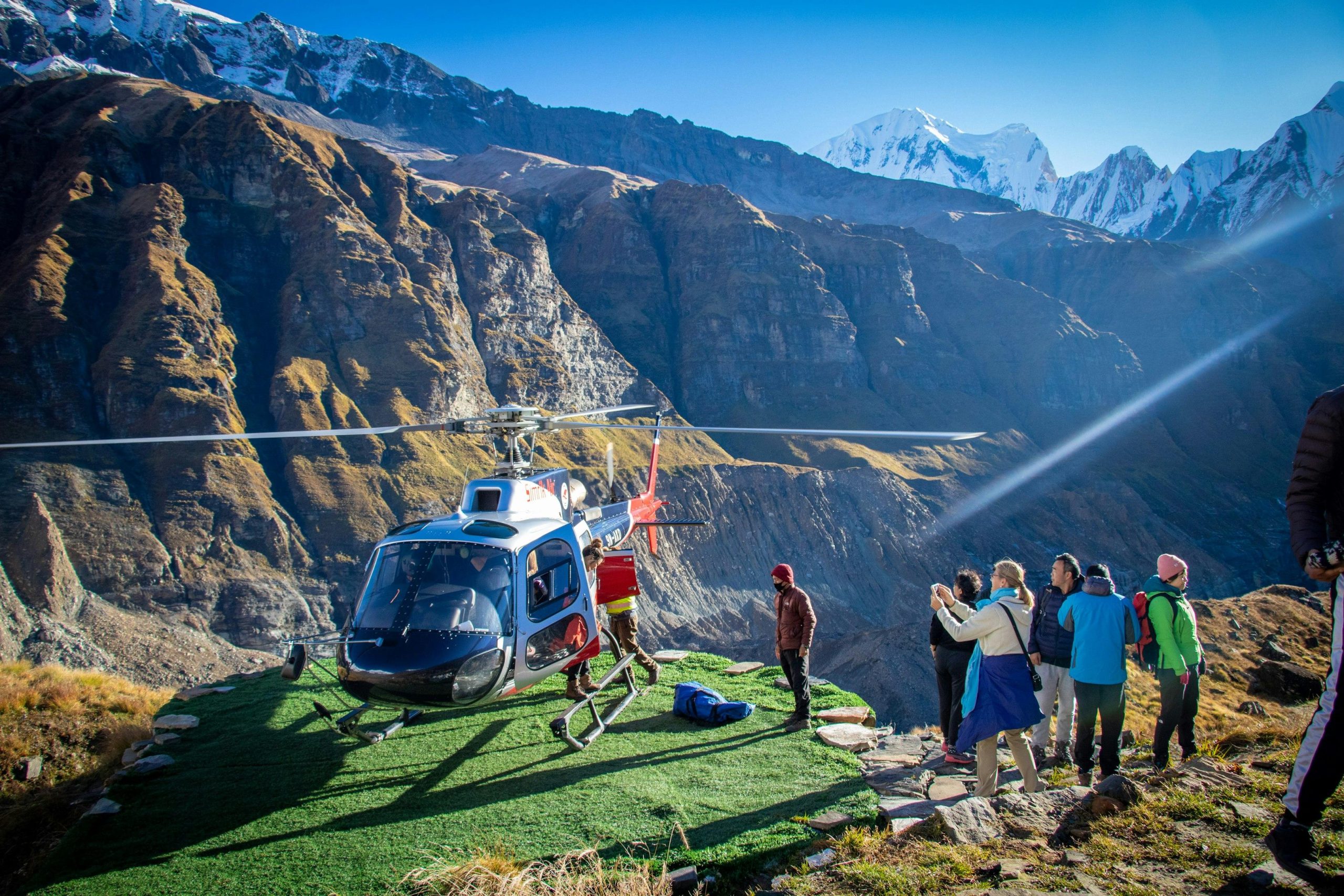
AOAN noted that in mountain tourism areas, helicopter operations often take place near trekking trails, settlements, campsites and open spaces where visitors and tourism workers may be present. Maintaining awareness of helicopter movement and following established safety procedures is therefore essential for everyone in the vicinity. The association also emphasised the need for passengers and ground personnel to follow safety instructions provided by flight crews and authorised staff. According to AOAN, clear communication and disciplined movement around helicopters can help reduce risks during aircraft operations and contribute to safer tourism activities in Nepal’s mountainous destinations.
Safety Awareness Among Mountain Guides and Trekking Professionals
AOAN has requested NNMGA to share the safety message with its members, including trekking guides, expedition leaders, porters, trekking groups and other personnel involved in mountain tourism activities. Mountain guides and trekking professionals play an important role in ensuring the safety of visitors, particularly in remote Himalayan destinations where helicopter transportation and rescue operations may be required. Their understanding of helicopter safety procedures can help visitors remain informed and prepared when aircraft operations take place near trekking routes or camps.
The association has recommended that guides and trekking leaders provide advance safety information to their clients whenever helicopter transportation, sightseeing flights or rescue operations may be involved during a trekking or expedition journey. Such briefings should include instructions on maintaining safe distances from helicopters, securing personal belongings, avoiding unnecessary movement around aircraft and following directions from pilots and ground personnel.
The guidance is particularly important for visitors who may be unfamiliar with helicopter operations in high-altitude environments. AOAN has also called for greater cooperation among tourism stakeholders, helicopter operators, guides and expedition teams to ensure that safety information reaches visitors and tourism workers operating in mountain regions.
Strengthening Aviation Safety in Nepal’s Mountain Tourism
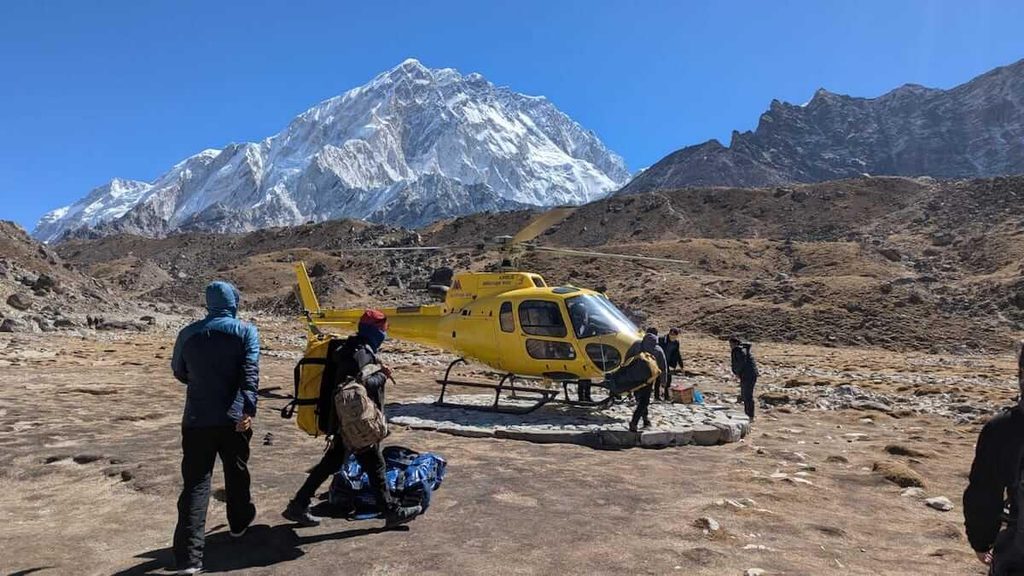
Helicopter transportation has become an important component of Nepal’s mountain tourism sector, supporting travel to remote destinations, expedition activities, passenger transportation and emergency evacuation services. Helicopters provide access to areas where road infrastructure is limited or unavailable, making them an important transportation option in many Himalayan destinations.
With helicopter operations regularly taking place in trekking and mountaineering areas, maintaining safety awareness among tourists and tourism professionals is essential. The coordination of aircraft operators, mountain guides, trekking agencies, expedition teams and local stakeholders can help ensure that passengers and ground personnel understand the safety procedures required around helicopters. AOAN has requested the cooperation of NNMGA in promoting these safety practices and disseminating the message among its members and associated tourism professionals.
The association has expressed the expectation that increased awareness, responsible behaviour and adherence to safety instructions will help reduce the possibility of similar incidents in the future. The initiative underscores the importance of safety education and coordination in Nepal’s adventure tourism sector, where helicopter operations and trekking activities often take place in the same mountainous environment. Strengthening awareness among guides, trekkers and tourism workers can contribute to safer helicopter operations and support the sustainable development of Nepal’s mountain tourism industry.