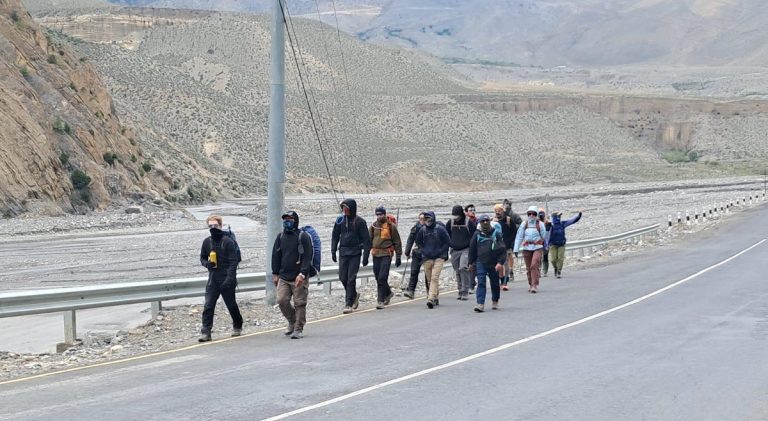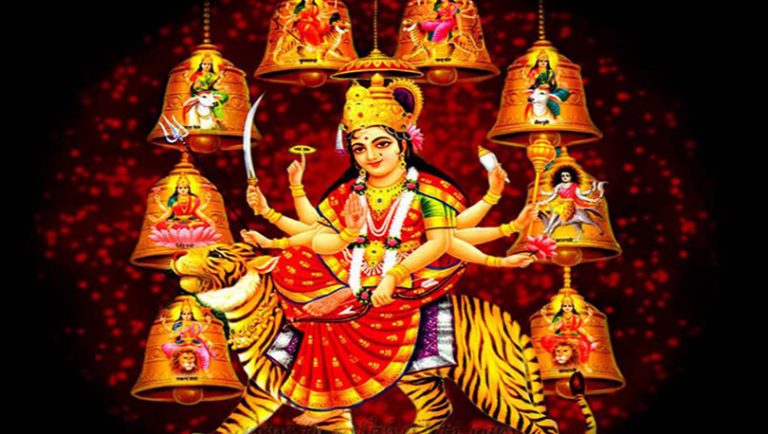
Badimalika, one of Sudurpashchim Province’s prominent religious sites and an increasingly popular high-altitude tourism destination, witnessed a significant surge in visitors during this year’s Janai Purnima festival. Around 65,000 pilgrims and visitors are estimated to have reached the sacred site during the festival period, reflecting the growing popularity of the remote Himalayan destination. However, the 65,000 figure has not been independently verified through an official government attendance record and should therefore be regarded as an estimate rather than a confirmed visitor count.
The increase comes as Badimalika continues to attract attention not only for its religious importance but also for its distinctive landscapes, alpine meadows, biodiversity and challenging high-altitude trekking experience. The annual pilgrimage has traditionally drawn devotees from across Nepal as well as neighboring parts of India, while growing interest in religious and nature-based tourism is bringing visitors to the area beyond the main festival period.

Janai Purnima Festival Brings A Major Pilgrim Surge
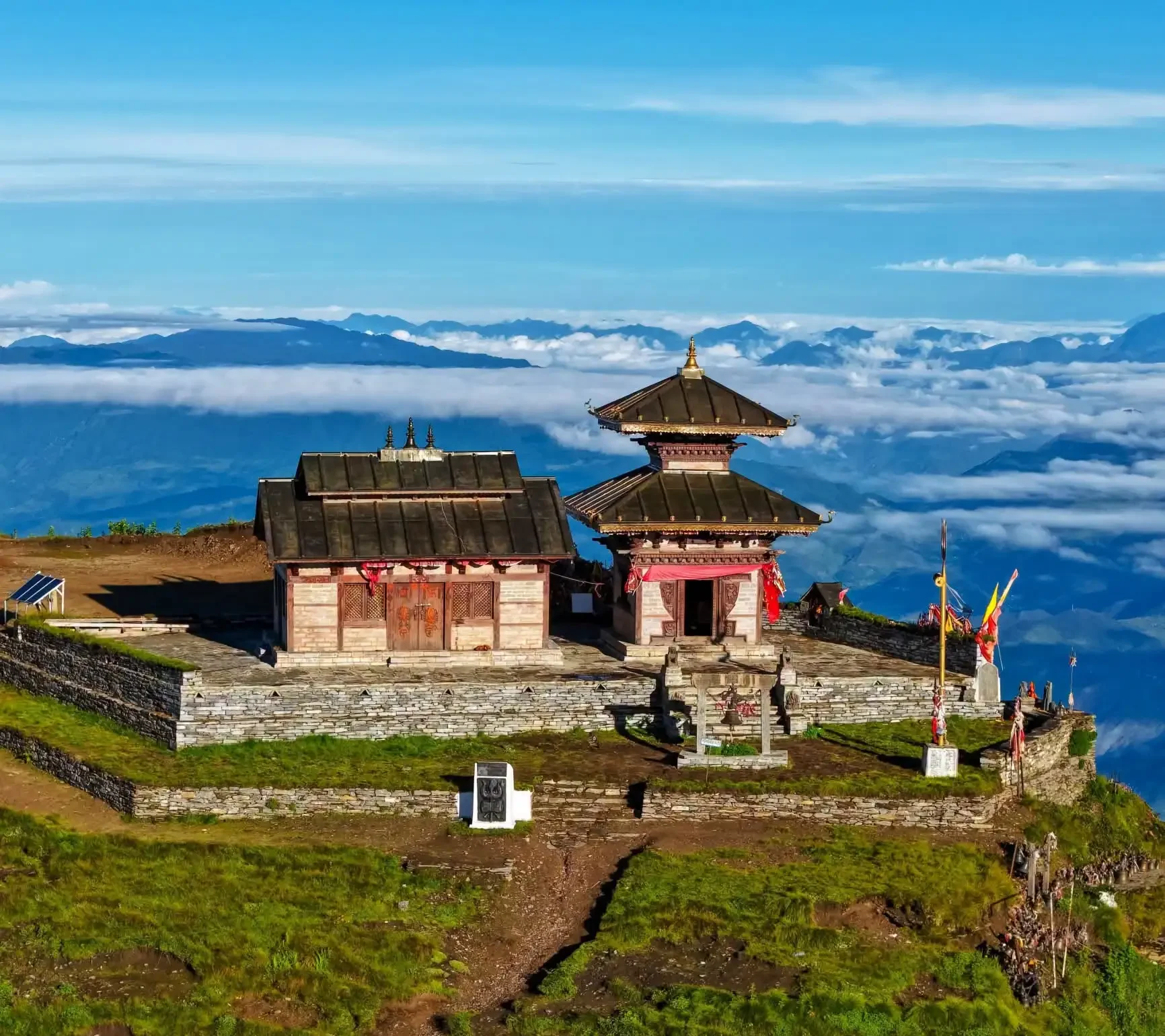
Located at an altitude of around 4,200 metres above sea level, Badimalika Temple becomes particularly crowded around the annual Janai Purnima festival, when thousands of devotees undertake the difficult journey to worship the deity. Pilgrims travel from different districts of Nepal, while devotees from parts of northern India also make the journey to the sacred site as part of a longstanding religious tradition. The scale of this year’s gathering highlights the continuing importance of Badimalika as a pilgrimage centre and points to its growing potential as a destination for visitors seeking a combination of spirituality, culture and mountain landscapes.
Authorities also began this year’s religious activities earlier than usual in an effort to manage the expected crowd and reduce pressure on the main worship day. The rituals formally began on August 17, 2026, while the main puja was held on August 27, one day before Janai Purnima, which fell on August 28. The decision to spread the religious activities over a longer period was aimed at making the pilgrimage more manageable as visitor numbers continued to rise.
Visitor Numbers Point To Badimalika’s Growing Tourism Potential
The latest visitor estimate comes amid a clear upward trend in interest in Badimalika. More than 45,000 devotees visited the temple last year, according to local religious authorities, and preparations for this year’s festival had already been based on expectations of a much larger turnout. Local reports had even projected that visitor numbers could exceed 100,000 over the broader festival period, reflecting the unusually strong momentum surrounding the destination. The steady rise in visitors suggests that Badimalika is gradually moving beyond its traditional identity as a pilgrimage site and establishing itself as a wider tourism destination in western Nepal.
The attraction is also being strengthened by developments at the temple itself and increasing promotion of the area. The construction of a new pagoda-style Badimalika temple by the Nepal Army has added to the site’s visual and religious appeal, while improved awareness of the surrounding natural environment has encouraged more people to make the journey. Reports have also indicated that visitor arrivals had started increasing well before the main festival, with more than 100 people reportedly reaching the area on some days ahead of Janai Purnima.
Religion, Nature And Adventure Come Together At Badimalika
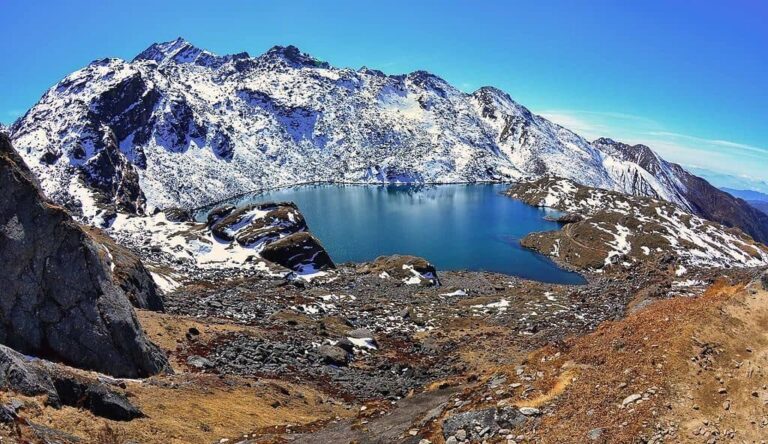
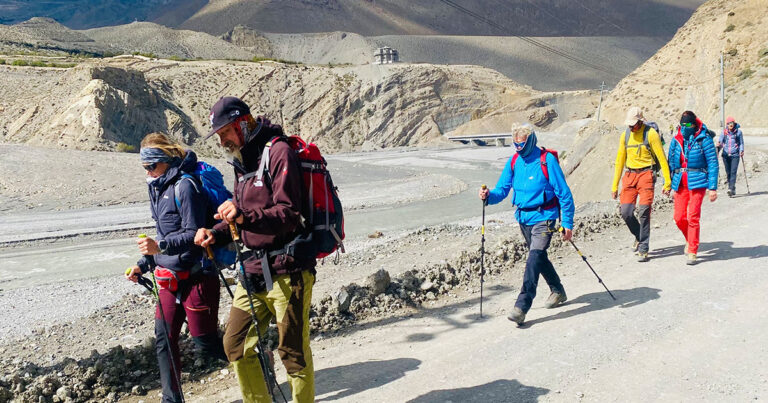
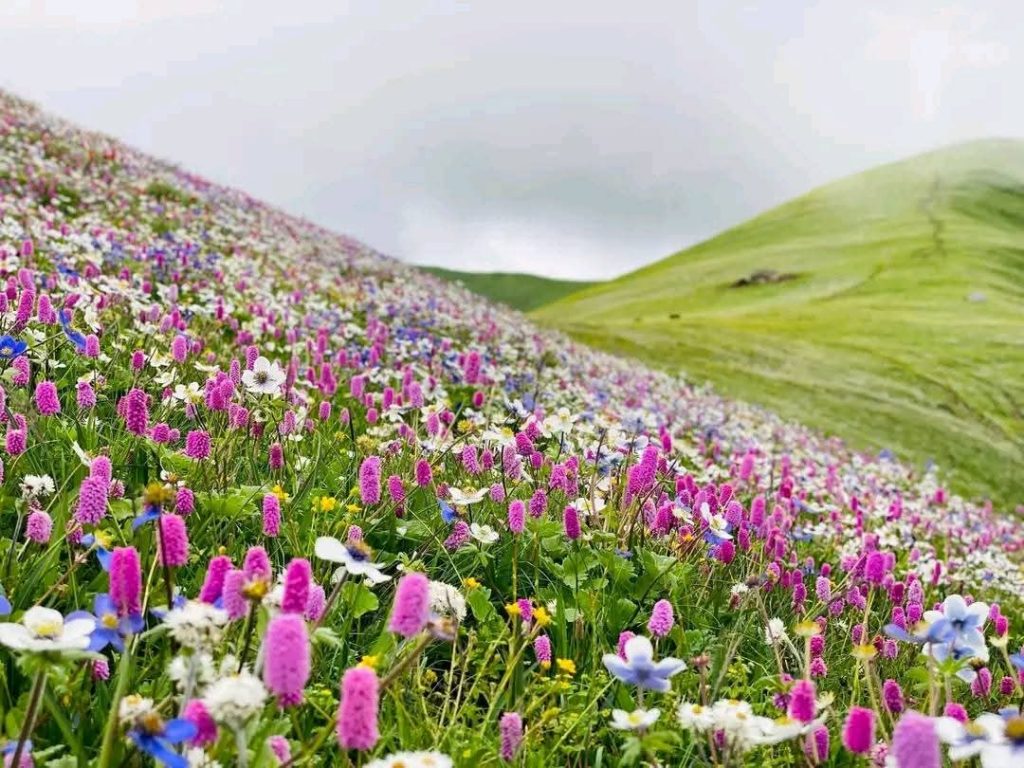
Badimalika’s appeal extends well beyond the temple itself. The surrounding landscape features expansive alpine pastures, dramatic mountain scenery and diverse natural ecosystems, giving the destination considerable potential for religious, cultural, nature and high altitude tourism. For many visitors, the journey is itself an important part of the experience, involving long walks through remote terrain and traditional pilgrimage routes before reaching the temple. This combination of spiritual significance and Himalayan scenery gives Badimalika a distinctive character among Nepal’s emerging tourism destinations.
The pilgrimage also carries strong cultural traditions. Devotees traditionally follow a multi-day route from Martadi, with stops including Sota Patan and Triveni Dham before reaching Badimalika, while some pilgrims return through Nateshwari and other surrounding areas. The participation of worship teams from different districts has further reinforced the festival’s regional importance. Reports this year indicated that government worship teams from Bajura, Doti, Kalikot and Jumla took part in the longstanding religious tradition, adding a broader regional dimension to the annual event.
Rising Crowds Highlight The Need For Better Tourism Infrastructure
The growing number of visitors is creating new opportunities for communities in and around Badimalika. Increased pilgrimage traffic can support local accommodation, transportation, guiding, food services and other tourism-related businesses, potentially creating additional income for residents in one of Nepal’s more remote regions. At the same time, the rapid growth in visitor numbers is placing greater importance on the development of infrastructure capable of handling large crowds in a fragile, high-altitude environment.

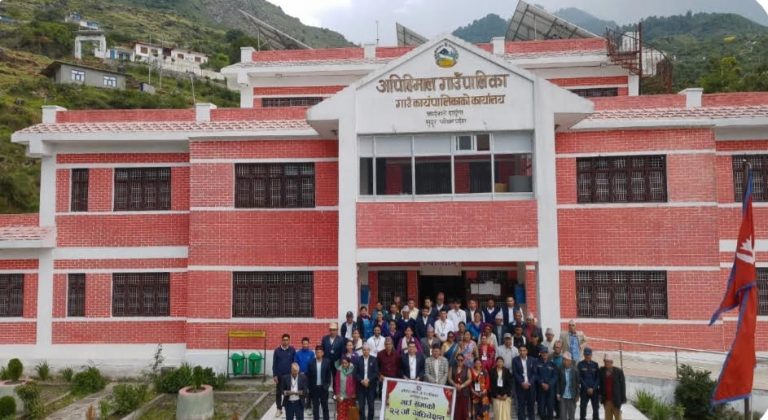
The difficult terrain and remote location mean that visitor safety remains a major concern. Authorities and local bodies have been coordinating security, health and crowd-management arrangements, while previous preparations have included health services and assistance for pilgrims along the route. As Badimalika’s popularity grows, sustained investment in trails, accommodation, sanitation, drinking water, waste management, communications, emergency response and high altitude safety will be essential to ensure that rising tourism does not place excessive pressure on the destination or create unnecessary risks for visitors.
With visitor numbers continuing to increase and interest extending beyond the traditional pilgrimage season, Badimalika has the potential to become one of western Nepal’s most distinctive tourism destinations. If infrastructure and visitor management develop alongside its growing popularity, the sacred Himalayan site could increasingly bring together religious heritage, natural beauty, local culture and high altitude adventure, offering a strong new tourism opportunity for Bajura and the wider Sudurpashchim region.