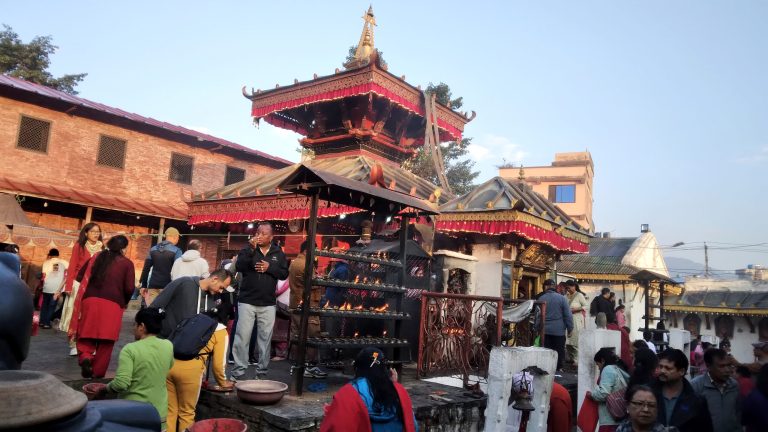
Badrinarayan Dham has emerged as a new Hindu pilgrimage and spiritual destination in Ramkot, Nagarjun Municipality–7, Kathmandu. Built with the vision of creating a sacred space inspired by India’s renowned Badrinath Temple, the complex offers devotees in Nepal an opportunity to experience a Badrinath-inspired spiritual environment without travelling across the border. Spread across approximately 22 ropanis of land, the temple complex combines religious significance, traditional architecture, meditation and spiritual learning. With an investment of around NPR 400 million, the project represents a significant addition to Kathmandu’s growing religious tourism landscape.
Inspired by the Sacred Badrinath Tradition
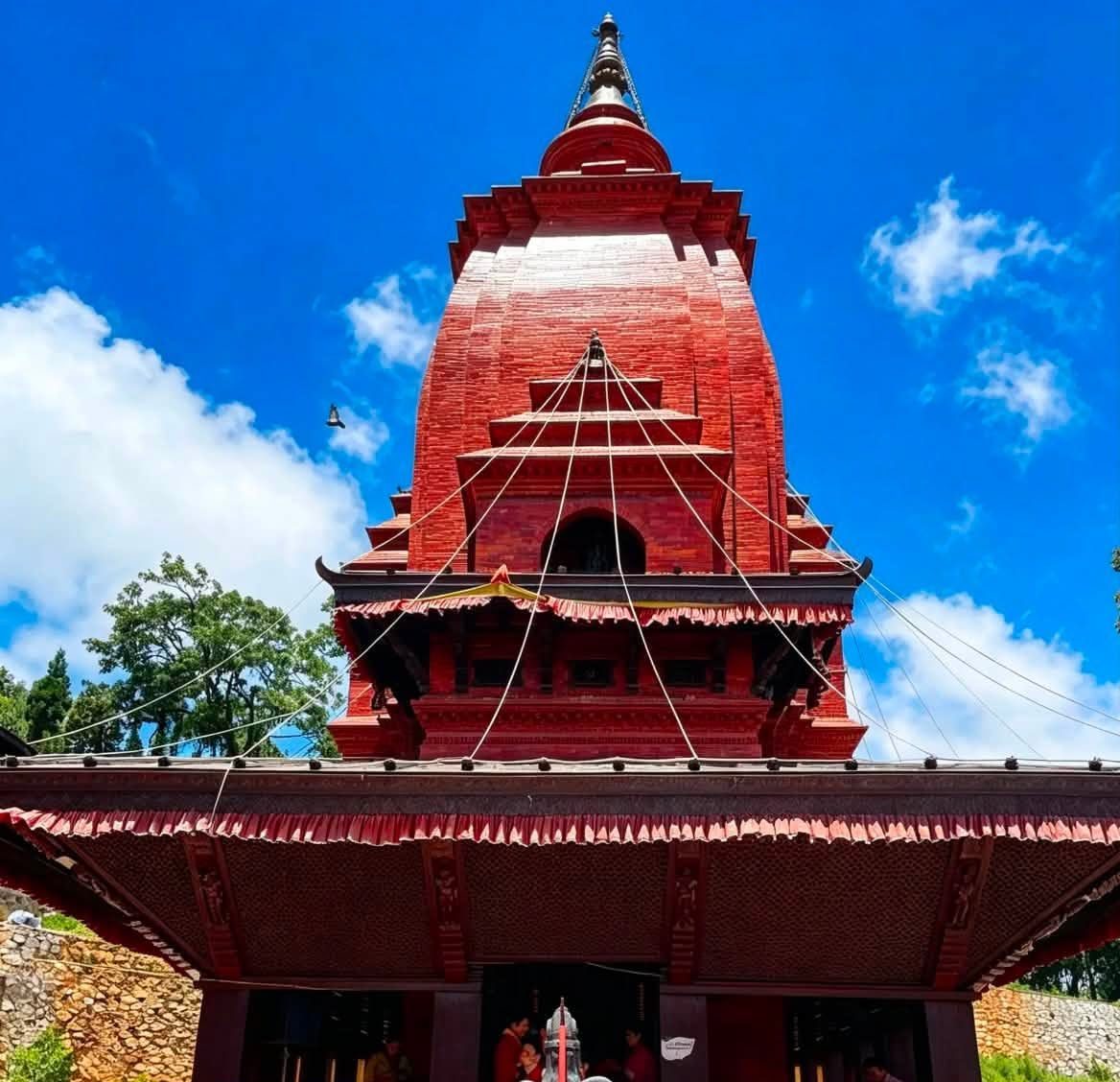
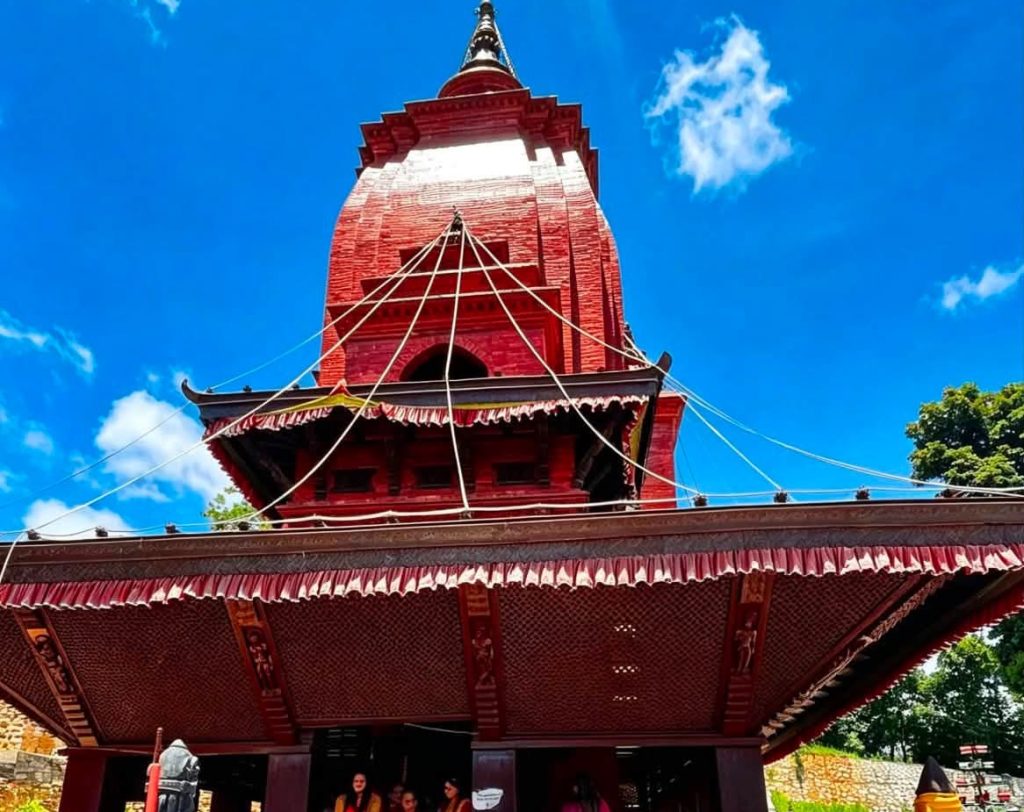
The main shrine is dedicated to Lord Badrinarayan, a revered meditative form of Lord Vishnu. The temple has been designed to reflect the spiritual character of Badrinath, one of India’s most important Hindu pilgrimage sites and one of the four sacred Char Dham destinations. The architectural design combines traditional pagoda and Shikhara styles, giving the temple a distinctive appearance while maintaining a strong connection with South Asian Hindu temple traditions. The combination of religious symbolism, architectural character and its peaceful hilltop setting makes Badrinarayan Dham particularly appealing to devotees, spiritual seekers and visitors interested in religious heritage.
Grand Consecration and Inauguration
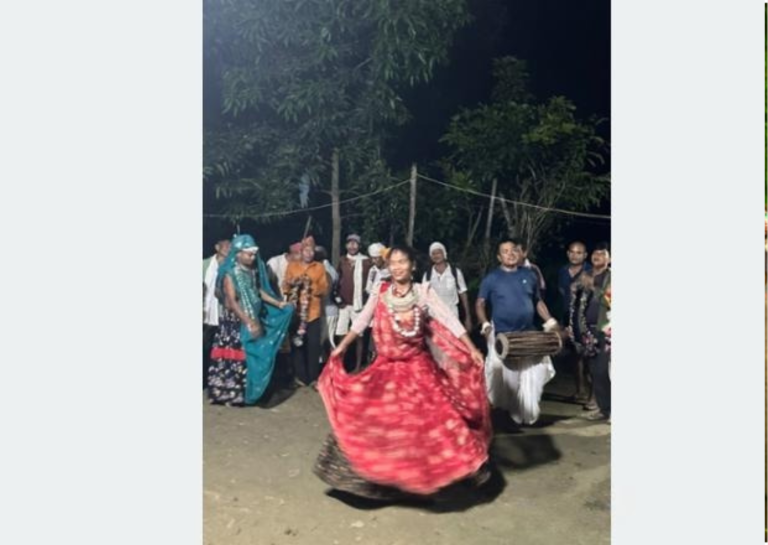
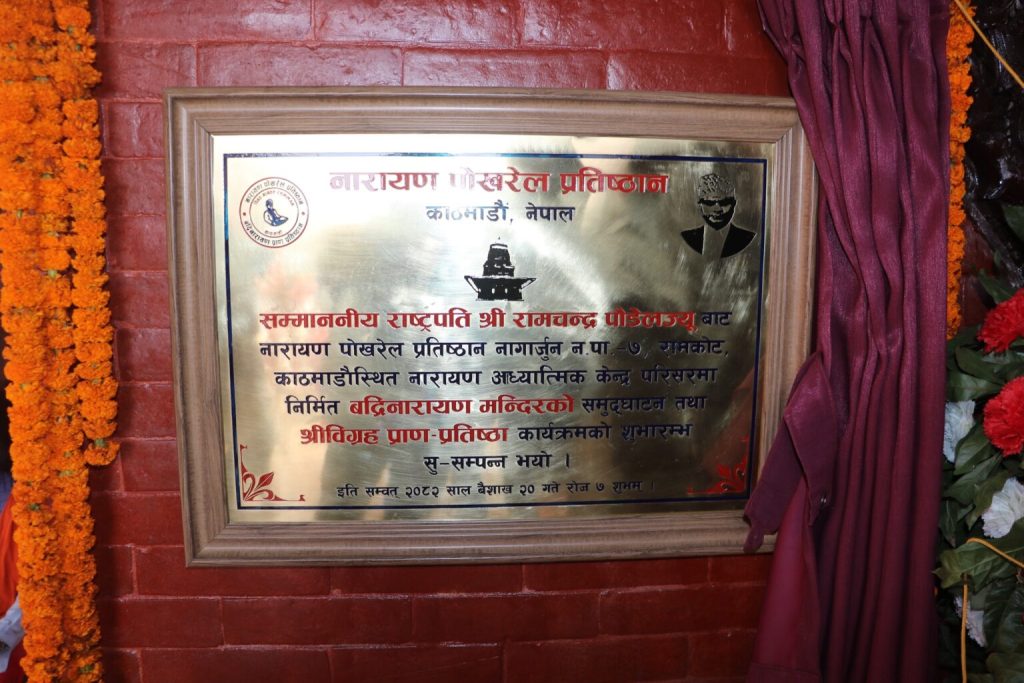
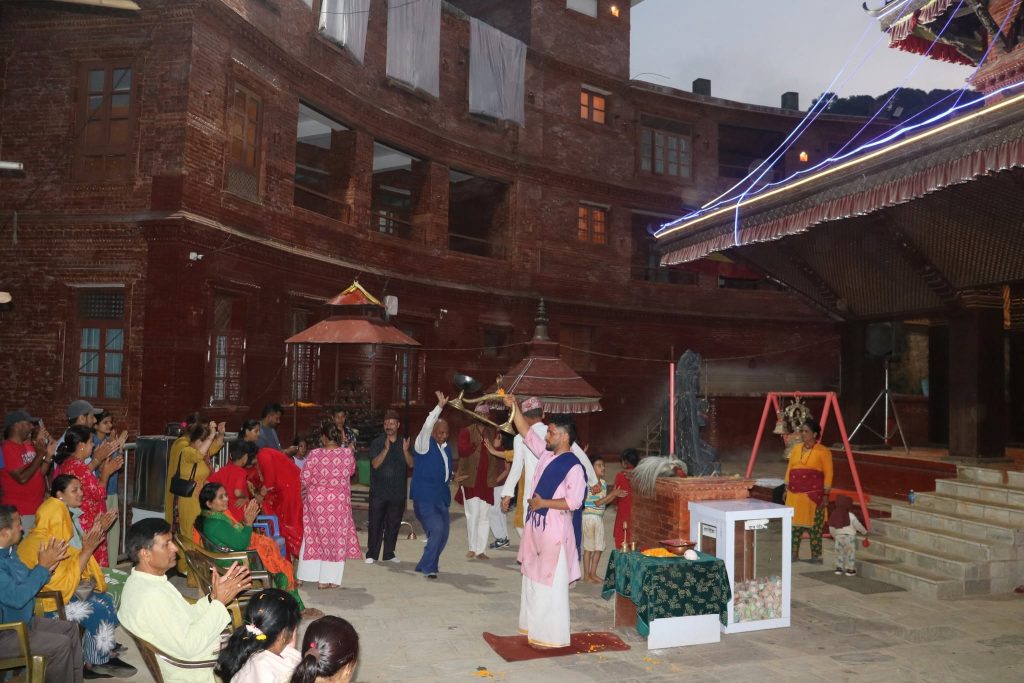
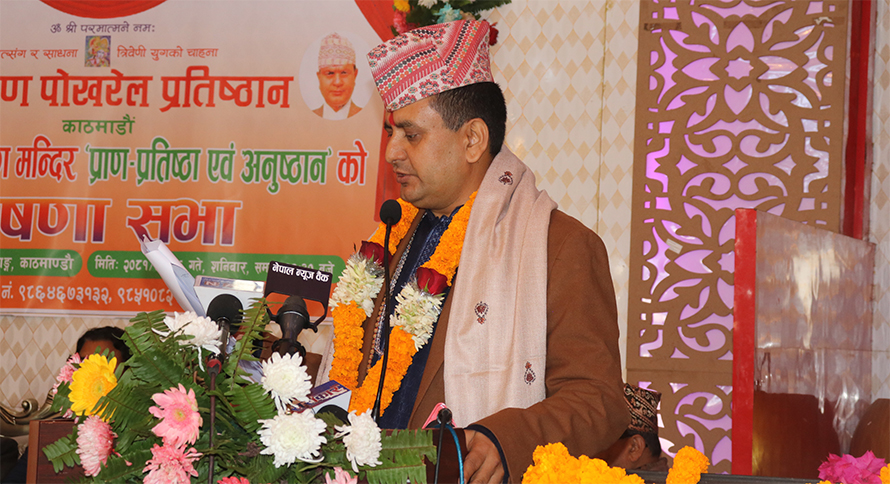
The temple’s formal inauguration and Pran Pratishtha, the sacred ritual of consecrating the deity, were held from Baishakh 19 to 27, 2082 BS. The ceremony was inaugurated by President Ramchandra Paudel and attended by prominent spiritual figures and religious leaders from Nepal and India. The multi-day religious programme marked the formal beginning of Badrinarayan Dham as a major pilgrimage centre. The consecration ceremony also helped introduce the newly developed site to a wider audience and establish its identity as an emerging religious tourism destination in Kathmandu.
A Tribute to Pandit Narayan Pokharel
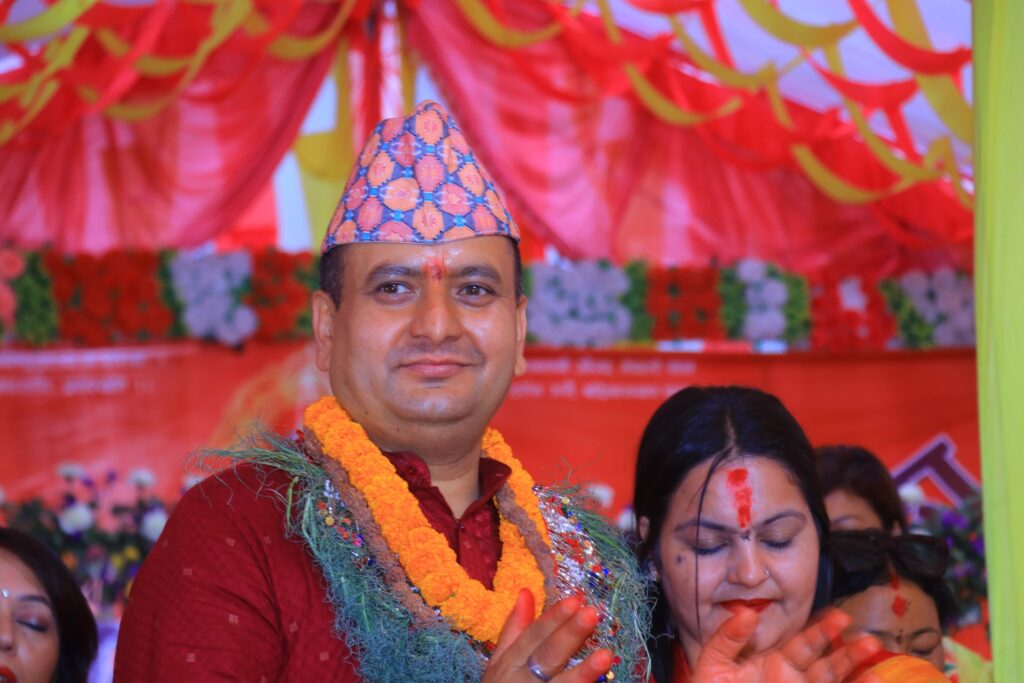
The development of Badrinarayan Dham is closely associated with the legacy of the late Pandit Narayan Pokharel, popularly known as Vachan Shiromani. The complex was developed under the initiative of the Narayan Pokharel Foundation as a tribute to his contribution to Nepal’s religious and spiritual traditions. His son, Pandit Dinbandhu Pokharel, a prominent Vedic scholar, serves as the chief patron of the project. The foundation’s vision goes beyond constructing a temple. The broader objective is to create a centre where religious practice, spiritual education, meditation and Vedic learning can come together.
More Than a Temple
Badrinarayan Dham is being developed as a broader spiritual and educational complex, rather than simply a conventional place of worship. The planned and developing facilities include:
- A dedicated meditation centre
- A spiritual and religious learning centre
- A modern Gurukul for Vedic education
- Accommodation facilities for visiting devotees
- Spaces for religious and spiritual programmes
- Facilities intended to support longer spiritual retreats
These additions are expected to make the destination suitable not only for short religious visits but also for people seeking meditation, spiritual learning and peaceful retreats.
Location and Accessibility
Badrinarayan Dham is located in Ramkot of Nagarjun Municipality–7, in the western part of Kathmandu Valley. The temple is approximately 7.9 kilometres from Sitapaila Chowk, making it relatively accessible from the city while retaining a quieter environment away from Kathmandu’s dense urban core.
Visitors travelling by private vehicle can head from Sitapaila towards Bhimdhunga, passing through Dadapauwa Chowk. After reaching the Bhimdhunga Police Station area, visitors follow the right-side route towards the temple. The complex is located roughly two kilometres beyond the Bhimdhunga Bus Park. Parking facilities are available near the base of the temple stairs, allowing visitors travelling by motorcycle, car or other private vehicles to reach the main entrance conveniently.
Public Transport Options
Visitors using public transportation can travel towards Bhimdhunga from Ratna Park or Sitapaila Chowk by bus or microbus. After reaching the Bhimdhunga area, visitors can continue by walking or using a local vehicle to reach the temple complex. Because public transport routes and operating schedules can change, visitors should confirm the latest local transport arrangements before travelling.
A Peaceful Escape from Kathmandu
One of the attractions of Badrinarayan Dham is its relatively peaceful setting. Although it lies within Kathmandu Valley, the location provides visitors with an opportunity to move away from the city’s congested and polluted urban environment. The surrounding landscape, quieter atmosphere and elevated setting create favourable conditions for meditation, prayer, spiritual reflection and short religious retreats. This setting could also strengthen the destination’s appeal among visitors looking for destinations around Kathmandu where spirituality can be combined with nature and tranquillity.
Religious Tourism Potential
Kathmandu Valley is already internationally recognised for its concentration of Hindu and Buddhist heritage sites. The development of Badrinarayan Dham adds a new destination to this religious tourism circuit. Its connection with the Badrinath tradition could particularly appeal to Hindu pilgrims who wish to experience a Badrinath-inspired sacred space within Nepal. The destination also has potential to complement visits to other religious sites in and around Kathmandu, creating opportunities for religious circuits and spiritual tourism packages.
Potential for Spiritual and Cultural Tourism
The combination of a major temple, meditation facilities, Vedic education and accommodation could allow Badrinarayan Dham to develop into a destination for more than traditional pilgrimage. It could attract:
- Hindu pilgrims
- Spiritual seekers
- Meditation practitioners
- Students interested in Vedic education
- Domestic religious tourists
- International visitors interested in Hindu culture and architecture
- Visitors looking for peaceful retreats near Kathmandu
The development of such facilities could also encourage longer visitor stays and create opportunities for local businesses and communities in Ramkot.
Architectural and Cultural Attraction
The temple’s blend of pagoda and Shikhara architectural elements gives Badrinarayan Dham a distinctive visual identity. For visitors interested in Nepal’s architectural heritage, the complex provides an opportunity to observe how different traditional South Asian temple influences have been incorporated into a contemporary religious project. The architecture, religious rituals and planned Vedic activities together can contribute to the site’s cultural tourism value.
A Growing Landmark in Kathmandu’s Religious Tourism Map
Badrinarayan Dham is still a relatively new destination, but its large-scale infrastructure, religious vision, prominent inauguration and connection with the Badrinath tradition have already positioned it as an emerging pilgrimage centre. As additional facilities such as the meditation centre, Gurukul and accommodation are developed, the site has the potential to become a year-round spiritual tourism destination rather than a place visited only for major religious ceremonies. For Kathmandu, the emergence of Badrinarayan Dham adds another dimension to the valley’s already diverse religious tourism offerings, while for visitors, it provides a new opportunity to combine faith, architecture, meditation, cultural exploration and peaceful mountain-valley surroundings in a single destination.