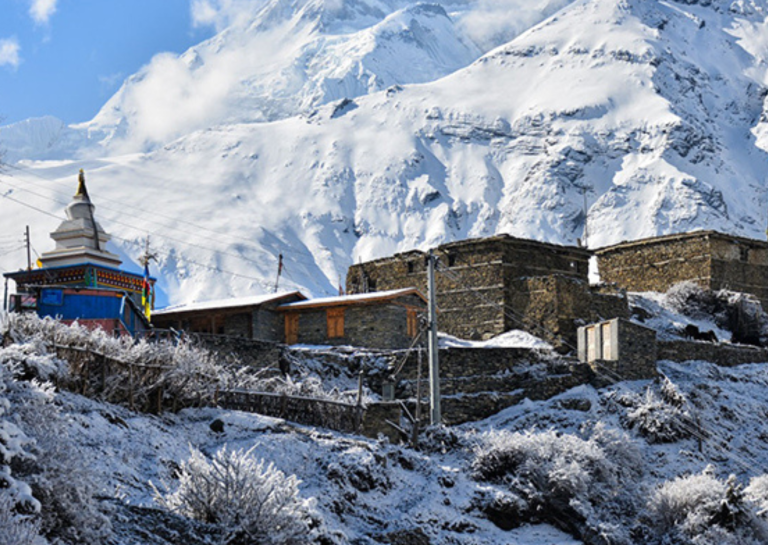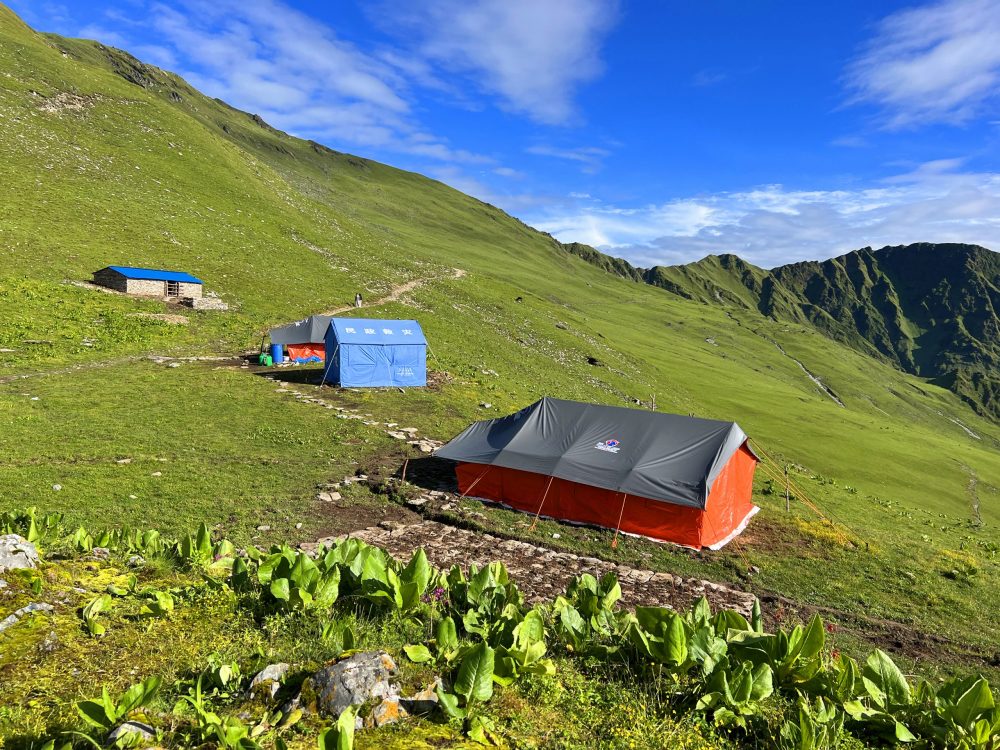
Once a vibrant summer destination bustling with herders, livestock, and domestic tourists, Bukipatan has now fallen quiet with the onset of winter. The high-altitude pastureland, which comes alive during the rainy season, has turned deserted since the first week of Kartik as temperatures began to drop sharply.
The once lush green slopes of the surrounding hills are now drying up, leaving the landscape pale and barren. Traditionally used as a grazing field by herders, Bukipatan has, over the past two years, gained popularity among both domestic and foreign tourists for its stunning scenery and serene trekking routes.
Herders Descend, Tourists Stay Away
From Ashadh to Ashwin, areas such as Garpa Chheda, Dahakharka, Tika Dhara, Rajban, Syachun, Furse Deurali, and Falgune Deurali within Bukipatan host hundreds of herders and their cattle. As winter approaches, herders move their livestock down to lower valleys, leaving the highlands empty.
With increasing cold, even tourists have stopped making the journey. Located at an altitude of about 4,500 meters above sea level, Bukipatan offers an excellent destination for trekkers and nature lovers. During the monsoon, when the lower regions of Nepal experience heat and humidity, visitors climb to Bukipatan seeking cooler weather. However, the number of tourists has dropped significantly as winter sets in, said Sandesh Thapa, a hotel entrepreneur from Dhorpatan.

“Until Ashwin, the number of visitors was very high, but now only a few come,” Thapa explained. “Tourists used to enjoy the greenery, vast meadows, and panoramic views of dozens of Himalayan peaks, but as soon as the cold begins, both herders and tourists leave.” He added, “For the past two years, Bukipatan has seen growing tourist activity. Earlier, it was only herders who stayed there, but now people come from distant parts of the country and even abroad to visit.”
Seasonal Rhythm in the Highlands
Part of Nepal’s only hunting reserve, the Dhorpatan Hunting Reserve, Bukipatan lies across Baglung, Rolpa, Rukum, Myagdi, and Dolpa districts. During the rainy season, livestock farmers from these regions use the area as a summer pasture for their cattle.
According to Tul Bahadur Sunar, a herder from Dhorpatan Municipality–8, he was among the last to descend from Bukipatan this year. “Most herders began moving down in the last week of Bhadra,” he said. “I stayed until the second week of Ashwin, but by then, Bukipatan had already turned empty.”
Sunar explained that the extreme cold now makes it impossible to stay there. “At this time of year, water freezes, and the cold becomes unbearable,” he said. “Once the herders descend, the entire area becomes silent. In the past, only herders stayed there during the monsoon, but now, people from Nepal and abroad visit in large numbers. Until the next Ashadh, the place will remain completely empty.”

Decline in Tourism Across Dhorpatan Valley
The drop in temperature has also affected tourist arrivals in Dhorpatan Valley. Local resident Pawan Ghartimagar said that the flow of tourists has slowed considerably as the cold intensifies. “Once it starts snowing, however, we expect an increase in visitors who come to enjoy the snow,” he added.
Ghartimagar noted that locals, too, are migrating temporarily to lower areas such as Bobang and Adhikarichaur to escape the cold. “In the past, most Dhorpatan residents lived a semi-nomadic lifestyle, spending winters in the lowlands and summers in the valley,” he explained. “But now, with road connectivity and gradual development, more people are choosing to live in Dhorpatan year-round.”
Bukipatan: From Pastureland to Tourist Haven
Despite the current stillness, Bukipatan remains one of Nepal’s most captivating highland destinations. During the monsoon, its rolling meadows, vibrant greenery, and breathtaking mountain views attract trekkers and nature enthusiasts alike.
Once the snows melt and the warmth of summer returns, herders will once again climb to Bukipatan with their cattle, and the region will regain its rhythm, echoing with the sounds of bells, laughter, and the footsteps of visitors drawn to its untouched beauty.