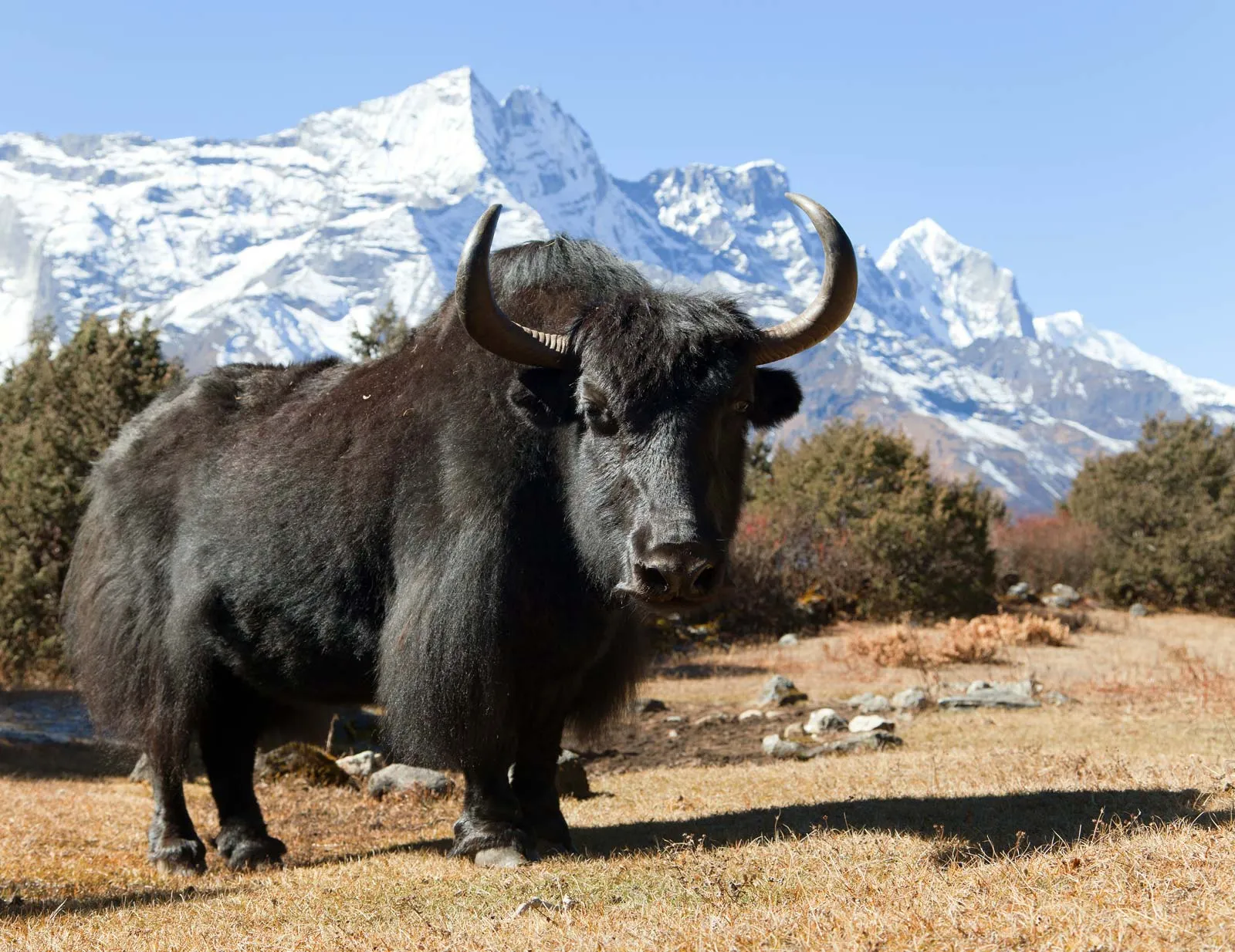
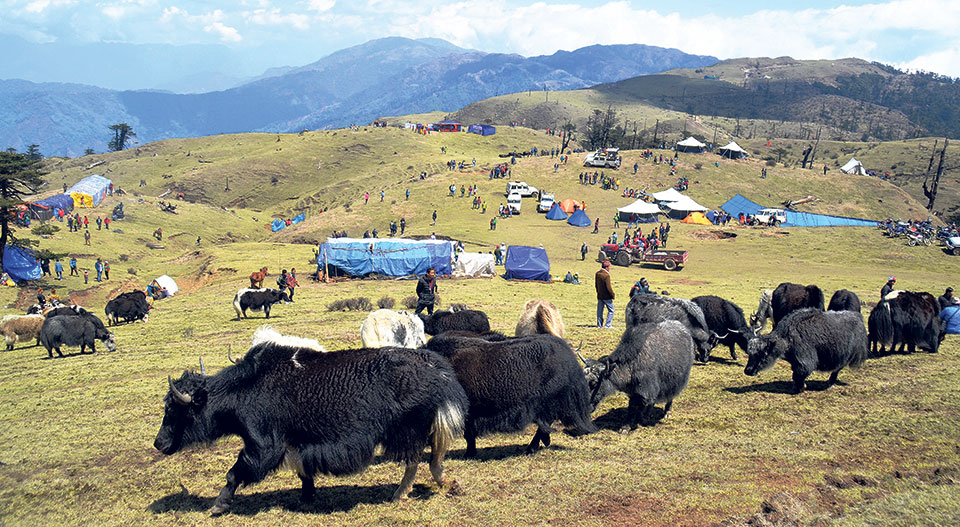
The Chauri Tourism Festival, organized for the past nine years in the Charrate-Phalot area of Phalelung Rural Municipality in Panchthar, has significantly contributed to improving the livelihoods of Chauri (yak-cattle hybrid) farmers while promoting eco-tourism in the high Himalayan region.
Held annually since 2074 BS, the festival takes place at an altitude of around 3,500 meters above sea level in the Phalot region. Over the years, it has helped expand Chauri farming, improve product marketing, and attract both domestic and international tourists to the remote mountain settlements.

Growth in Chauri Farming and Infrastructure Development
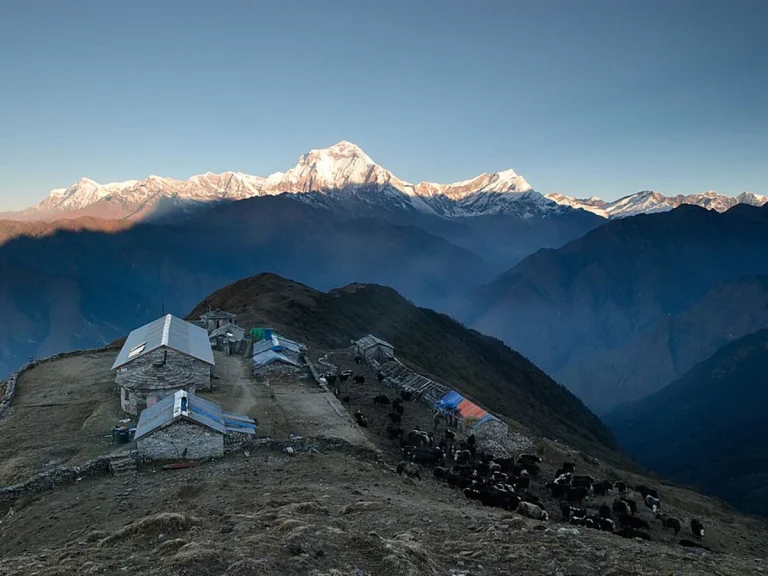
Local farmers say the festival has brought major positive changes to traditional livestock rearing practices. According to Chauri farmer and Phalot Yak Gothbas leader Chandralal Nepal, the number of cattle sheds in the region has nearly doubled since the festival began.
“In 2074, there were only 18 sheds in the Phalot area. Now there are 31,” he said. “Young people and women are increasingly attracted to this profession. Earlier, only men used to stay in the goths, but that is changing now.”
Nepal added that infrastructure in the sheds has improved, with some now being upgraded to host tourists under the ‘Goth-Bas’ (stay in cattle sheds) concept. However, only 10–12 sheds currently have the capacity to accommodate visitors, with arrangements for around 150 people between Sandakpur and Phalot areas.
Goth-Stay Concept Attracting Tourists
The introduction of Goth-Bas has turned traditional cattle sheds into unique homestay-style accommodations, blending rural lifestyle with tourism. This innovation has made Chauri herding more attractive to younger generations while providing an additional income source for herders.
Each year, around 5,000 tourists are estimated to visit the region. However, organizers note that the monsoon season, especially June to August, poses challenges due to heavy rainfall and difficult access conditions.
Diversification of Yak Products and Market Expansion
Earlier, Chauri farming in the region mainly focused on ghee and churpi (traditional hardened cheese). However, with growing tourism and market access, farmers have now begun producing and selling yak cheese and other value-added products.
According to Ramchandra Gurung, President of the Kanchenjungha Yak Cheese Producers Group, the number of Chauri and associated farmers has steadily increased in recent years.
“The increase in tourists has directly supported livestock farming,” he said. “Yak products now fetch better prices, and even bones, horns, and tails are sold for religious and cultural purposes, providing additional income.”
He added that efforts are underway to improve Chauri breeds by introducing yaks from Taplejung and Bhutan. So far, more than 40 improved yaks have been introduced, and farmers are now seeking government support for artificial insemination programs to further enhance productivity.
Market Challenges and Price Concerns
Despite growing demand, farmers have raised concerns over pricing and market stability. Yak cheese is currently sold at around Rs 800 to Rs 1,000 per kg, while Chauri ghee is priced at about Rs 800 per kg.
Farmers argue that production costs remain high compared to returns. Gurung pointed out that although yak milk products differ significantly from cow milk in quality and production methods, their market prices are nearly similar, making it difficult to sustain profitability.
Meanwhile, sheep ghee produced in Yangru, Panchthar, has also attracted attention at the festival. Seller Lokesh Gurung said sheep ghee, which requires intensive labor and limited production, is priced at around Rs 12,000 per kg due to its rarity and high demand.
Tourism, Culture, and Himalayan Experience
The Chauri Festival, held annually on New Year’s Day, has become a major attraction for visitors from across Nepal as well as India, Bhutan, and Bangladesh. Tourists are drawn to the sight of hundreds of Chauri grazing in alpine pastures, panoramic views of the Himalayan ranges across Nepal, India, and Bhutan, and the vibrant natural beauty of blooming rhododendrons and seasonal flowers.
According to Mahendrahang Jabegu, Vice Chairperson of Phalelung Rural Municipality, the festival successfully combines Himalayan culture with tourism promotion. “Visitors are deeply impressed by the natural beauty and cultural richness of the region,” he said. “The festival has become a platform that connects local livelihoods with international tourism.”

Sustainable Future for Mountain Livelihoods
Over the years, the Chauri Tourism Festival has evolved into more than just a cultural event. It has become a model for sustainable mountain tourism, helping preserve traditional yak herding practices while opening new economic opportunities for rural communities.
With continued support and improved infrastructure, local stakeholders believe the festival will further strengthen Panchthar’s position as a unique eco-tourism destination in Nepal’s eastern Himalayan region.