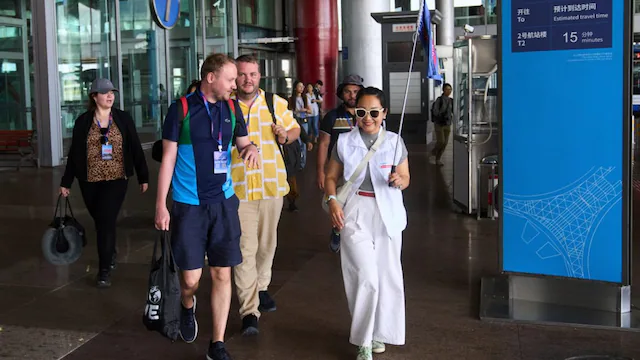
Starting from July 2025, China will significantly ease its entry restrictions by allowing passport holders from 74 countries to enter visa-free for up to 30 days. This move, hailed as a landmark decision in China’s post-pandemic reopening strategy, is expected to further boost international tourism, trade relations, and diplomatic influence.
A Strategic Push to Revitalize Tourism
The Chinese government views this policy change as a key part of its plan to revive the tourism sector, which faced major setbacks due to prolonged COVID-19 travel restrictions and global economic challenges. It aims to stimulate recovery by encouraging more international visitors and restoring confidence in China’s travel industry.
According to official statistics, more than 20 million foreign tourists visited China visa-free in 2024, a sharp increase from just under 10 million in 2023. The surge demonstrated a growing interest among international travelers in rediscovering China’s cultural landmarks, heritage sites, modern cities, and natural wonders. The extension of the visa-free policy to more countries is likely to significantly boost those figures in 2025 and beyond.
Economic and Diplomatic Implications
This policy is expected to impact more than just tourism. China views the relaxed visa rules as a strategic move to boost internal consumption, draw international investments, and foster closer global connections between citizens, all of which support the country’s wider goal of expanding its influence through soft power diplomacy.
“The decision is not just about tourism,” said an official from the Ministry of Foreign Affairs. “It reflects China’s confidence, openness, and commitment to building global partnerships.” By enhancing accessibility, China hopes to portray itself as a more open and welcoming global hub for business, culture, education, and innovation.
Countries Included in the Visa-Free List
Although the full list of the 74 eligible countries is yet to be officially disclosed, reports indicate it will feature leading nations from Europe, Asia, Oceania, and the Americas, along with strategic allies from the Global South, reflecting China’s intent to strengthen ties across diverse economic and geopolitical regions.
Previously, visa-free access was granted to a limited number of countries through bilateral agreements or short-term programs. This latest expansion marks a significant scaling-up of the policy and is expected to simplify entry procedures for millions of travelers annually.
Soft Power in Action
Analysts believe this change in visa policy serves as a strategic soft power move, presenting China as a more open and appealing country for global interaction. It enhances the nation’s image as an inviting hub for diplomacy, cultural exchange, and international cooperation, fostering deeper ties with the global community.
“Visa policies are more than administrative tools,” said a Beijing-based international relations analyst. “They send a message about a country’s openness and global orientation. China is clearly signaling that it wants to be more connected with the world.”
What Travelers Should Know
The visa-free entry allows tourists to stay in China for up to 30 consecutive days for leisure, business meetings, or family visits. However, it does not permit employment, journalism, or long-term residency under this arrangement.
Travelers are still advised to check specific requirements such as passport validity, insurance, and return flight documentation before entering China.
Looking Ahead
China’s decision to ease visa requirements aligns with global trends where countries are increasingly competing for tourism dollars and global influence. As the world’s second-largest economy, China’s shift is expected to have ripple effects across the Asia-Pacific region and influence how other major economies manage their own visa systems.
For now, industry stakeholders and global travelers are welcoming the change, seeing it as a new chapter in China’s reintegration with the international community, one marked by openness, opportunity, and mutual exchange.