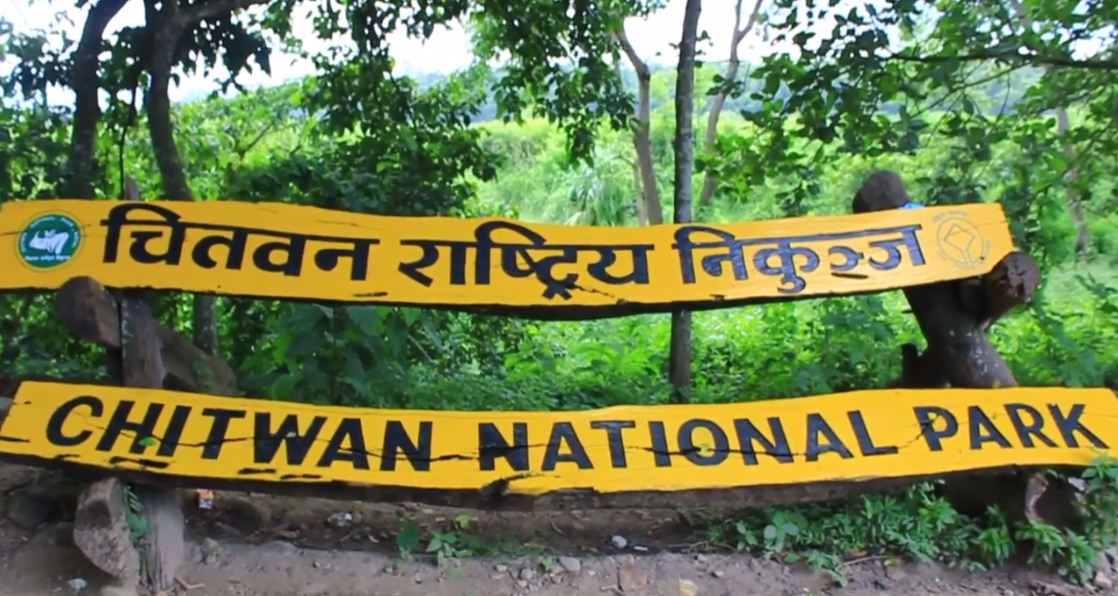
Chitwan National Park (CNP), one of Nepal’s most iconic wildlife reserves, has launched a comprehensive monsoon security strategy to prevent possible poaching incidents during the rainy season. The park administration has stepped up surveillance and enforcement efforts, as the monsoon poses significant challenges to accessing various parts of the park, making it a vulnerable period for wildlife.
According to Abhinash Thapa Magar, Information Officer at Chitwan National Park, many areas inside the park become inaccessible due to muddy and damaged roads during the monsoon. Consequently, poachers often take advantage of the reduced human activity and limited mobility of patrol units.
To counter this, the park has devised a season-specific operational plan and mobilized all available resources, including elephants, drones, boats, and surveillance cameras, to strengthen wildlife protection.
Installation of Spy Cameras in Sensitive Areas
A key component of the strategy involves the use of technology for monitoring. Thapa Magar informed that 30 sensitive locations inside the park have been equipped with spy cameras to ensure continuous observation of suspicious activities. These cameras help authorities remotely monitor vulnerable zones, enabling real-time detection and rapid response to threats.
“The cameras are checked and analyzed regularly, and any unusual activity is immediately acted upon,” said Thapa Magar.
Elephant Patrols Boosted as Dense Vegetation Hampers Access
During the monsoon, thick vegetation growth makes it difficult for park rangers to conduct foot or vehicle patrols in many parts of the forest. As a solution, Chitwan National Park has increased the deployment of elephants for patrolling. These gentle giants, with their ability to navigate difficult terrain, are proving invaluable in ensuring the park’s security.
“CNP has 58 permanent patrol posts. Each post is manned by personnel from the Gorakh Battalion of the Nepal Army along with park staff,” explained Thapa Magar. “Nearly half of these posts now have elephants assigned to them for patrolling duties.” This not only ensures presence in hard-to-reach areas but also helps create a deterrent for potential poachers.
River Patrols and Night Ambush Strategies Implemented
In addition to land-based patrols, Chitwan National Park has expanded its water-based patrols in the Rapti and Narayani rivers, utilizing boats to monitor border areas and riverbanks where illegal activities might occur.
Moreover, the park has introduced ambush strategies during the night. In this tactic, park security teams stay overnight in elevated wooden towers (machans) or hidden observation points to guard vulnerable wildlife corridors and nesting areas. “These ambushes are strategically planned and implemented in high-risk zones to monitor movement and prevent poaching attempts under the cover of darkness,” added Thapa Magar.
Comprehensive and Multi-Modal Patrols Maintained Daily
Despite the monsoon challenges, Chitwan National Park maintains routine patrolling operations on foot, bicycle, motorcycle, and four-wheel vehicles, depending on terrain accessibility. These multi-modal patrols ensure that different areas of the park are regularly covered. Additionally, drones are deployed to monitor open grasslands and other relatively accessible areas, adding a technological layer to the park’s surveillance system.
Local Community Engagement for Protection Efforts
Chitwan National Park has long emphasized community involvement in its conservation efforts, and this strategy continues during the monsoon season. Thapa Magar reported that in the buffer zones, local User Committees and Anti-Poaching Youth Groups are actively contributing to wildlife protection.
“These community-based groups serve as our extended eyes and ears. Their involvement is vital, especially in areas where park staff cannot be present around the clock,” he said. By engaging locals, the park strengthens its social surveillance mechanism and builds a sense of ownership in protecting the environment.
Jeep Safaris Suspended Inside Park Core Area
Due to road damage and safety concerns, jeep safaris within the core areas of Chitwan National Park have been temporarily suspended during the monsoon. However, safaris continue in some of the adjoining community forests, which offer alternative opportunities for tourists to experience wildlife. “This seasonal closure is necessary both for the safety of tourists and the protection of fragile ecosystems,” said Thapa Magar.
Chitwan: A Global Biodiversity Hotspot at Risk
Chitwan National Park is internationally renowned for being home to the rare one-horned rhinoceros, the Royal Bengal tiger, and a diverse range of flora and fauna. Every year, thousands of tourists, both domestic and international, visit Chitwan to see these majestic animals in their natural habitat.
However, the rainy season often sees a drop in tourist numbers, reducing human presence in the park. This creates an increased risk of poaching, as poachers exploit the decreased monitoring and harsher weather conditions.
To address this, the park authority is determined to implement and enforce a proactive, adaptive, and dynamic security strategy, ensuring no lapse in protection during the vulnerable monsoon period.
Strategy with Long-Term Vision
Chitwan National Park’s monsoon strategy reflects a comprehensive and forward-looking approach to conservation. By combining modern technology, community involvement, traditional patrolling methods, and proactive governance, the park is making every effort to safeguard Nepal’s wildlife heritage during one of the most challenging times of the year.
The park authority remains committed to its mission of conservation and invites all stakeholders, from government agencies to tourists and local communities, to continue playing an active role in protecting one of Asia’s most treasured natural sanctuaries.