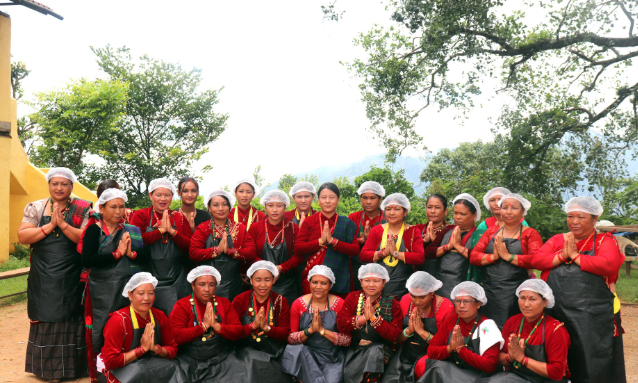
In a remarkable stride toward self-employment and economic upliftment, women of Dandadum, located in Tansen Municipality-9, Palpa, have begun taking proactive steps to establish homestay-based tourism in their village. Inspired and equipped by a basic training program on homestay tourism development, these women are now determined to translate their cultural richness and scenic location into a sustainable livelihood.
The training was conducted by the Taragaun Development Committee, Kathmandu, under the Ministry of Culture, Tourism, and Civil Aviation. It aimed to provide participants with the necessary skills, knowledge, and confidence to manage and operate community-based homestays, turning their traditional way of life into a profitable tourism venture.
Practical Learning and Confidence Building
The comprehensive training program covered a wide range of topics essential to operating successful homestays. Participants engaged in hands-on sessions on tourism and homestay fundamentals, the legal framework, tourist-friendly infrastructure development, guest reception and farewell etiquette, home and room decoration, preparation of local cuisine and snacks, and showcasing traditional arts and culture.
Sarita Ale, a participant in the training, shared her newly ignited passion and confidence. “Listening to stories of successful homestays across Nepal made me realize our village has the same potential. With what we’ve learned, we now believe we can earn a decent income by staying in our own community, utilizing what we already have, our traditions, our food, and our way of life.”
Ale and other women are now planning to implement what they’ve learned to promote local tourism and create self-employment opportunities for themselves and others in the village.
Cultural Assets Become Economic Tools
Ishwari Prithi, chairperson of the Naumati Baja traditional music group, highlighted the potential of using local cultural expertise in enhancing tourist experiences. “We’ll incorporate our music and cultural skills in welcoming and entertaining guests. That’s how we will turn our heritage into income.”
Currently, preparations are underway to launch homestay services in 11 households as part of the initial phase. The broader plan includes expanding to the rest of the 66 homes in the community based on the pilot’s success.
Tulbahadur Gaha, chairperson of the Madanpokhara Community Homestay, emphasized that the training has played a crucial role in building the foundation for homestay operation. Likewise, Saraswati Pachbhaiya, another trainee, expressed that the program has filled them with knowledge and the belief that tourism can be a practical source of income in rural areas.
A Village Rich in Potential
According to local political leader Om Bahadur Gharti, Dandadum holds all the prerequisites for becoming a vibrant homestay destination. “We have beautiful scenery, unity within our community, traditional values, and the necessary road infrastructure. These are the foundations of a successful homestay model. If we harness this properly, homestay tourism can contribute significantly to our dignity and household income.”
Similarly, Ward Chairperson of Tansen-8, Somnath Aryal, pointed out that local hospitality, organic foods, and unique cultural practices of Dandadum residents can be effectively marketed through homestay programs.
More Than Accommodation—A Cultural Exchange
Ward Chairperson of Tansen-9, Rajesh Kumar Aryal, sees homestay tourism as a holistic model. “It’s more than just a place for tourists to sleep. Homestays represent our culture, lifestyle, and our way of honoring guests,” he said. Aryal believes the initiative will create local employment, reduce the outmigration of youth for foreign jobs, and empower women to become active contributors to the local economy.
He further stated that community homestays can promote a sense of collective responsibility, integrity, and cultural pride among villagers, making them active partners in sustainable tourism development.
Leaders and Trainers Express Optimism
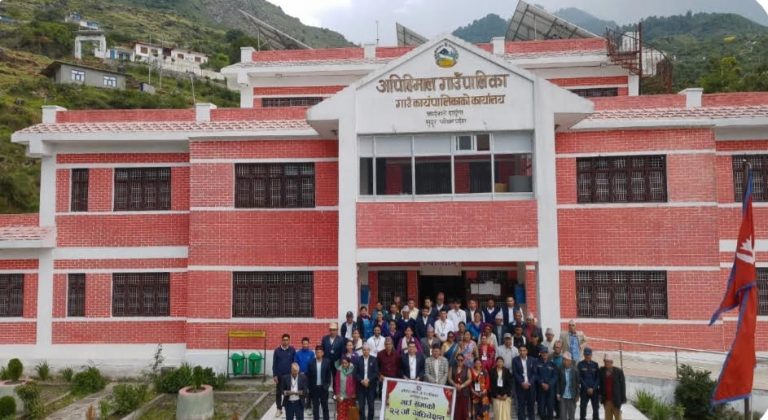
During the closing of the training session, several stakeholders and leaders voiced their support for the initiative. Kalpana Bhandari, President of the Community Forest Users Federation Lumbini Province, and local ward members Madhav Prasad Basyal and Kamal Darlami, along with political representatives from both the CPN-UML and CPN (Unified Socialist), echoed the same sentiment: women can increase income and uplift the village economy through effective hospitality, local cuisine, and positive interaction with guests.
Training facilitator Manisha Shrestha observed a high level of enthusiasm and awareness among the participants. “With this level of community readiness, local government support, and tourist-friendly culture, there is no doubt Dandadum can soon become a popular and successful homestay destination,” she noted.
The training was facilitated by Shambhu Karki, Dinesh Bhandari, and Manisha Shrestha from the Taragaun Development Committee, and they expressed their satisfaction with the participants’ active engagement and enthusiasm throughout the course.
A Promising Future for Community Tourism
As Dandadum steps into the world of community tourism, the path ahead holds both challenges and opportunities. The initiative, led primarily by women, has the potential to transform the socio-economic fabric of the village.
With continued support, training, and promotion, Dandadum may soon set an example of how rural communities can harness local resources, culture, and cooperation to build a prosperous and self-sufficient future through tourism. What started as a training session is now blossoming into a movement, where women lead, communities unite, and culture becomes the cornerstone of development.