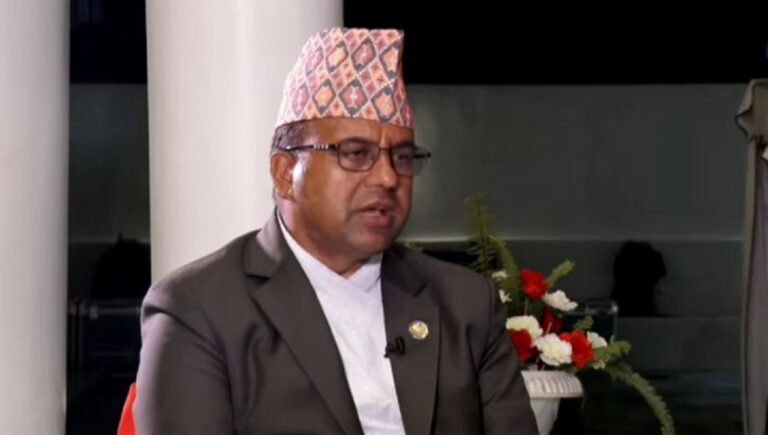
The Parliamentary Committee on International Relations and Tourism has initiated discussions on the Nepal Aviation Service Authority Bill, 2081, focusing on proposed amendments submitted by lawmakers. A meeting held today at Singha Durbar marked the beginning of this crucial deliberative process.
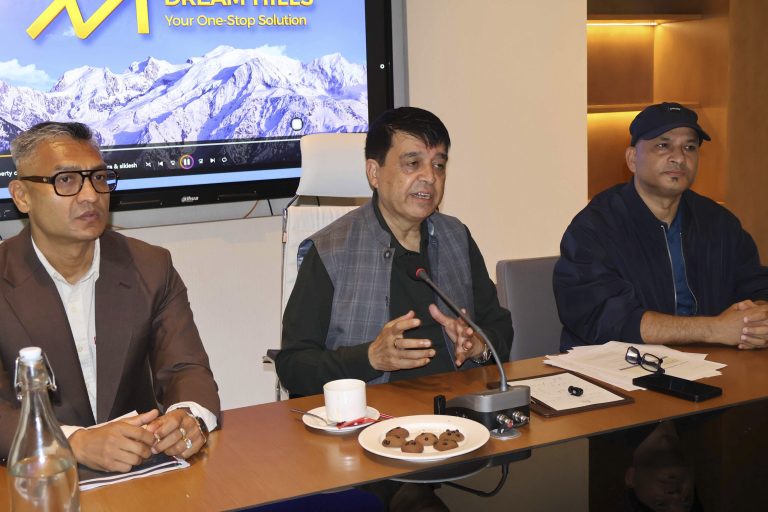
Present at the meeting were Minister for Culture, Tourism and Civil Aviation, Badri Prasad Pandey; Secretary Hari Mainali; and several departmental officials from the Ministry. The session focused on enhancing the draft bill with the collective input of lawmakers and relevant experts.
Lawmakers Present Their Amendments
Several members of the House of Representatives who had submitted amendments to the bill were invited to the committee meeting to present and clarify their proposals. Among the prominent participants were lawmakers Bimala Subedi, Bhagwati Chaudhary, Rajendra Pandey, Narayani Sharma, Chanda Karki, Durga Rai, Sobita Gautam, and Binita Kathayat.
These lawmakers individually outlined their suggested changes, explaining the rationale and intended improvements behind their proposals. Their amendments largely aim to strengthen the governance, regulatory structure, and service efficiency of Nepal’s aviation sector through the proposed authority.
Minister and Officials Stress Collaborative Lawmaking
Minister Pandey expressed the government’s openness to constructive suggestions, emphasizing the need to make the bill robust, transparent, and future-ready. He noted that the aviation sector is vital for Nepal’s economic development, especially given the country’s topography and dependence on air connectivity.
Secretary Hari Mainali and other ministry officials also contributed to the discussion, providing technical insights into the bill’s provisions and potential implementation challenges. Their presence ensured a more comprehensive and well-informed debate.
Committee Chair Vows Fast-Track Approach for Enhanced Bill
Chairperson of the committee, Raj Kishor Yadav, said that the committee is committed to incorporating all constructive inputs, from both lawmakers and subject experts, to enrich the bill. He emphasized that the bill’s passage would be expedited while ensuring no compromise in its quality and effectiveness.
“The discussion process has been intensified with the aim of passing a more enriched and practical bill. We are leaving no stone unturned to ensure that this legislation serves the nation’s aviation future,” Chairperson Yadav stated.
Importance of the Bill for Nepal’s Aviation Sector
The Nepal Aviation Service Authority Bill, 2081 aims to establish a more autonomous and specialized body to regulate and manage the country’s civil aviation services. The bill proposes the separation of regulatory and operational functions, a move many stakeholders believe is essential to align Nepal’s aviation sector with international safety and service standards.
Currently, Nepal’s civil aviation services are managed under the Civil Aviation Authority of Nepal (CAAN), which oversees both regulatory and service delivery roles. This dual responsibility has drawn criticism for conflicts of interest and inefficiencies. The proposed authority, if formed, would function as an independent regulatory body, streamlining air safety standards, infrastructure development, and customer services.
Bipartisan Efforts and Stakeholder Engagement
The committee’s willingness to involve multiple stakeholders and facilitate bipartisan discussion signals a strong commitment to reforming Nepal’s aviation infrastructure and policy framework. This participatory approach is particularly timely, as the nation seeks to boost international tourism and improve air connectivity across remote regions.
The lawmakers’ engagement in the amendment process reflects growing attention toward transparency, accountability, and service modernization in Nepal’s public institutions.
Next Steps in the Legislative Process
Following these initial discussions, the committee will continue to evaluate each amendment, incorporating feedback from experts and stakeholders before finalizing the bill. Once revised and endorsed by the committee, the bill will be forwarded to the House of Representatives for broader parliamentary debate and eventual approval.
Observers believe the successful enactment of this bill could serve as a model for other sectors requiring structural reforms, including transport, energy, and communications.
The initiation of dialogue around the Nepal Aviation Service Authority Bill, 2081 marks an important step in Nepal’s journey toward a modernized, accountable, and globally compliant civil aviation system. The government and lawmakers’ collaborative spirit underscores the growing consensus on the need for reform-oriented legislation in service of national development.