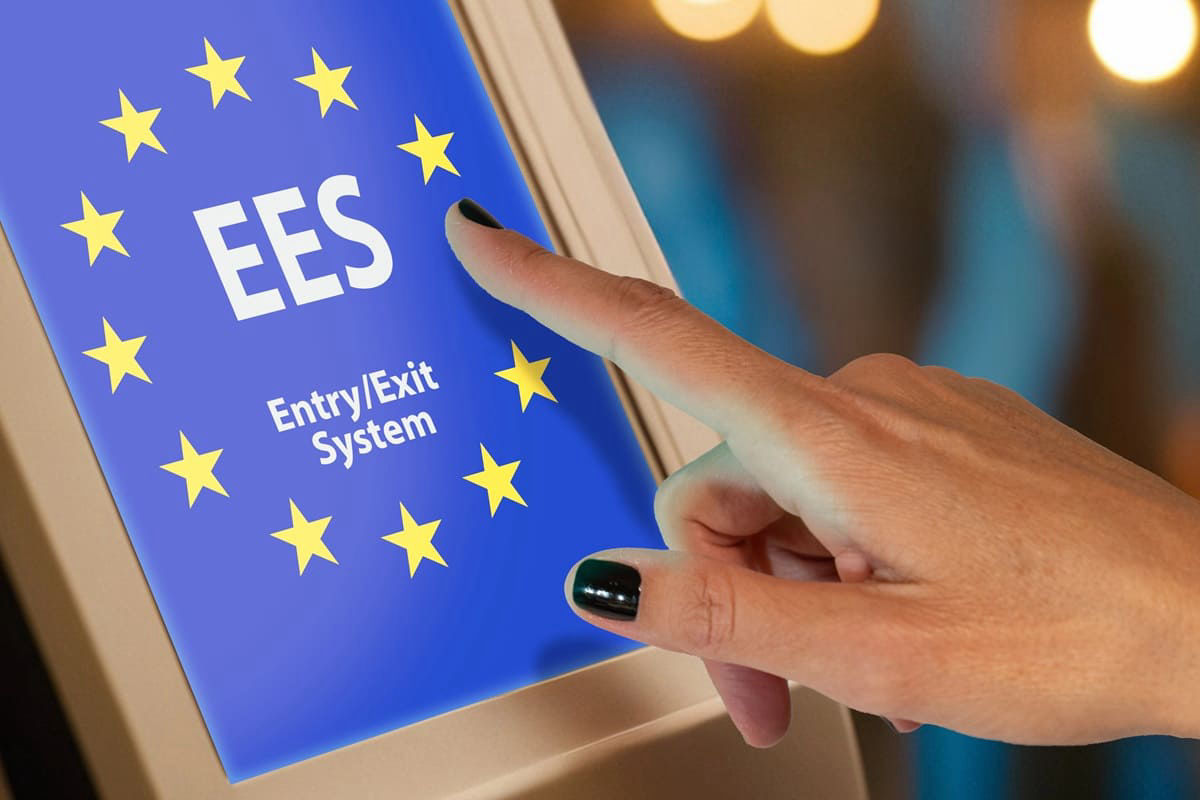
Europe could risk losing up to 41 million visitor arrivals and US$45.4 billion in tourism spending if long border waits become common following the rollout of the European Union’s new Entry/Exit System (EES), according to research commissioned by the World Travel & Tourism Council (WTTC). The findings represent a stark warning for European tourism authorities at a critical juncture, as the continent prepares to implement one of the most significant changes to its border management infrastructure in decades.
What the Research Found
The study, based on a survey of more than 2,500 travellers from the United Kingdom, United States, Canada, and Australia, revealed that approximately one-third of respondents would be less likely to visit the Schengen Area if border lines regularly exceed three hours. This threshold finding is particularly significant for policymakers, as it suggests a specific and measurable tipping point beyond which traveller deterrence becomes a serious risk, rather than a vague or speculative concern.
The level of apprehension was not uniform across all source markets. British travellers showed the highest level of concern, with 39% saying lengthy delays would discourage them from travelling to the Schengen Area. This compares with 33% of respondents from both the United States and Canada, and 27% from Australia. The relatively elevated concern among British travellers is notable given the United Kingdom’s geographic proximity to continental Europe and the historically high volume of UK nationals travelling to EU destinations for both short breaks and longer holidays.

Strong Underlying Support for the System Itself
Despite these concerns over wait times, the research found that support for the new system remains strong once travellers understand its purpose and function. The survey found that 65% of travellers support EES after learning about it, while only 6% expressed strong opposition to biometric border controls. This finding is significant in distinguishing between two distinct issues: travellers are not fundamentally opposed to modernised, technology-driven border security, but they are concerned specifically about the practical implementation and the resulting wait times.
Respondents cited several key benefits driving this underlying support, including stronger security, faster processing on future trips once registered in the system, and greater confidence in border management overall. These responses suggest that travellers are willing to accept short-term friction in exchange for long-term efficiency and security gains, provided that friction remains within manageable limits.
A Significant Awareness Gap
One of the more concerning findings to emerge from the research relates to public awareness of the EES system itself. More than half of respondents said they know little or nothing about EES, while nearly half said they are unsure about the procedures required when entering or leaving the Schengen Area. This substantial knowledge gap presents a considerable risk in its own right, separate from the operational challenges of the system. Travellers who arrive at European borders without understanding what to expect, what documentation is required, or how the biometric registration process works are more likely to experience confusion, delays, and frustration, potentially exacerbating the very wait-time problems the research warns against.
What the EES Actually Involves
The Entry/Exit System represents a fundamental shift in how the European Union manages and records the movements of non-EU nationals across its external borders. Under the new system, travellers from outside the EU will be required to register biometric data, including fingerprints and facial images, when entering the Schengen Area for the first time. This data will then be used to automatically track entry and exit dates, replacing the current system of manual passport stamping. While the system is intended to enhance border security and provide more accurate tracking of visitor compliance with permitted stay durations, its initial rollout phase, particularly the registration of first-time travellers, is expected to require additional processing time at border checkpoints.
WTTC’s Call to Action
In response to these findings, the WTTC is urging European governments to take several concrete steps ahead of and during the system’s implementation. The organisation has called for the expansion of digital pre-registration options, which would allow travellers to complete portions of the biometric registration process in advance of their arrival at the border, reducing on-the-spot processing time. It has also emphasised the need for improved traveller communications, addressing the substantial awareness gap identified in the survey by ensuring that prospective visitors understand what the EES involves and what to expect before they travel.

Additionally, the WTTC has stressed the importance of ensuring that border checkpoints are fully prepared and adequately resourced before the system is implemented at scale, recognising that inadequate staffing or infrastructure at the point of rollout could quickly translate survey-based concerns about wait times into real, on-the-ground bottlenecks.
Protecting Europe’s Tourism Standing
The WTTC’s underlying message is one of balanced urgency rather than outright alarm. The organisation has been clear in stating that travellers generally support modern digital border controls, recognising the security and long-term convenience benefits such systems can offer. However, it has equally stressed that managing wait times effectively will be critical to protecting Europe’s position as one of the world’s leading tourism destinations.
This framing positions the EES rollout not as a question of whether to modernise border security, but of how carefully that modernisation is executed. Given Europe’s continued reliance on international tourism as a major economic contributor, and given the scale of potential losses identified in the research, both in visitor numbers and in tourism spending, the margin for implementation error appears narrow. For European governments and tourism authorities, the coming months of EES rollout are likely to serve as a critical test of whether the continent can successfully modernise its border infrastructure without undermining the very visitor appeal that infrastructure is meant to protect.