The recent floods across Nepal following the Dashain festival have had a significant impact on tourism in Pokhara, one of the country’s prime tourist destinations. According to local authorities and the Hotel Association of Nepal, the heavy rainfall and resulting water accumulation have disrupted travel and prevented the usual influx of visitors that the city sees every year during the festive season.
Travel Disruptions Due to Floods
In response to forecasted weather risks, the Department of Transport imposed restrictions on non-essential public transportation from Ashwin 18 to 20 (October 4–6). Combined with heavy rainfall in various parts of the country, this led to a noticeable decline in the number of tourists arriving in Pokhara. Roads connecting major districts and tourist routes were affected, making travel unsafe and discouraging visitors from undertaking trips.

Local officials emphasized that while Pokhara is typically a top choice for families and tourists during Dashain vacations, the floods have severely curtailed mobility, affecting both domestic and international tourism.
Hotel Occupancy Drops Sharply
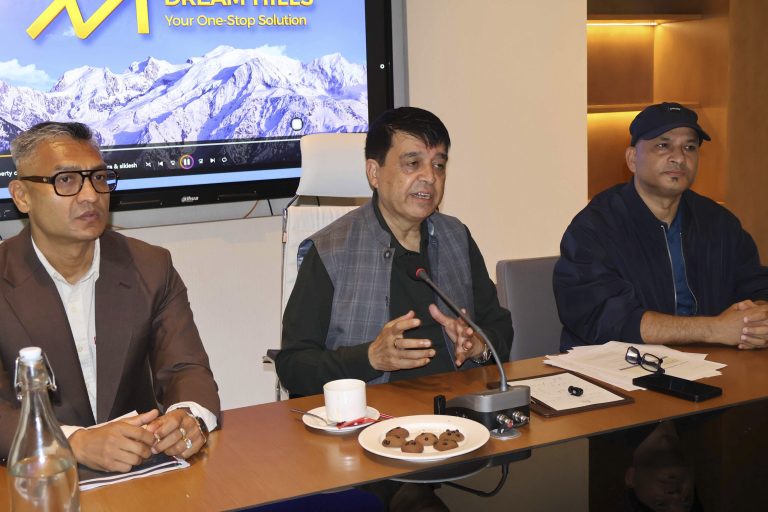
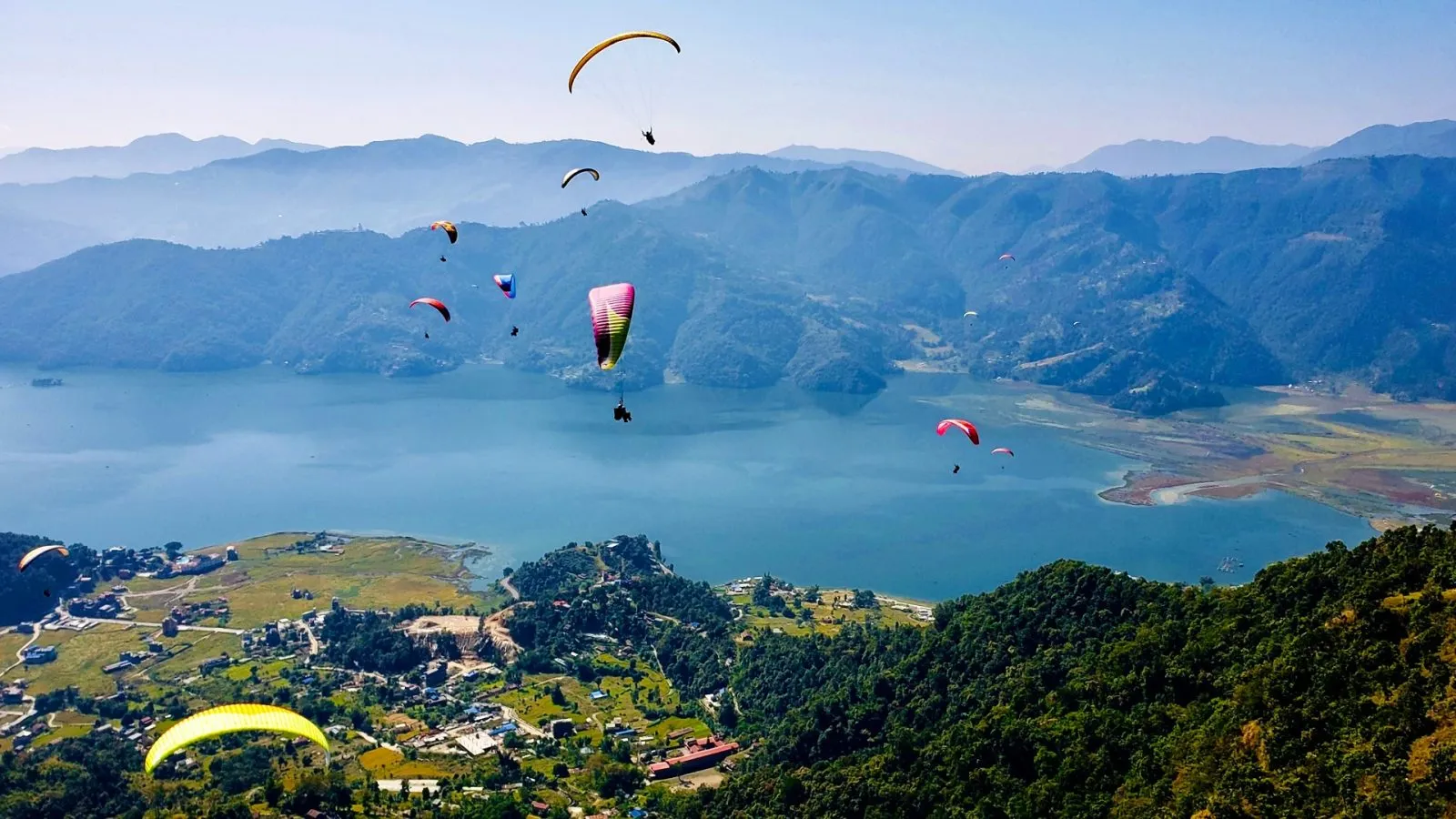
Historically, following the Dashain Tika, hotels in Pokhara have experienced occupancy rates exceeding 80%, as travelers flock to the city to enjoy the scenic lakes, mountains, and cultural attractions. This year, however, hotel occupancy has been reduced to just 30%, according to Laxman Subedi Subedi, President of the Hotel Association Nepal, Pokhara chapter.
He noted that the week-long holidays after Tika, including Kojaagrata Purnima, typically draw families from across the country to Pokhara. The usual surge in tourist numbers contributes significantly to local revenue, benefiting hotels, restaurants, transport services, and other businesses linked to the tourism sector.
“On Kojaagrata Purnima in previous years, finding a hotel room in Pokhara was extremely difficult due to the large number of visitors,” Subedi explained. “This year, the situation is the opposite, with very few tourists occupying hotel rooms.”
Impact on Local Economy
The decline in tourist numbers has direct economic consequences for Pokhara. Hoteliers, tour operators, and local businesses are facing reduced income, as the city’s tourism-driven economy relies heavily on post-Dashain travel. Restaurants, adventure activity providers, and souvenir shops have also reported a sharp drop in revenue.
Officials cautioned that ongoing extreme weather could lead to greater disruptions in the tourism sector during future festival periods. Such events may affect travel plans, hotel occupancy, and the overall tourism economy if not addressed proactively.
They emphasized the need for enhanced disaster preparedness, better infrastructure, and effective early warning systems to protect tourists and maintain the resilience of the tourism industry, even in the face of adverse weather conditions.
Outlook and Recovery Efforts
Even with the recent challenges, tourism stakeholders in the area are optimistic about recovery. Several hotels and resorts have introduced promotional deals and discounts to encourage tourists to visit despite the recent floods. At the same time, local authorities are actively repairing damaged roads and improving access to key tourist sites, working to rebuild travelers’ confidence and ensure safe travel throughout the region.

Tourism experts suggest that with proper planning and risk management, Pokhara can continue to maintain its position as a top domestic and international tourist destination, even in the face of natural disasters. Collaborative efforts between the government, private sector, and community organizations will be crucial in revitalizing tourism in the coming months.
The post-Dashain floods have clearly impacted Pokhara’s tourism, reducing hotel occupancy to historic lows and affecting the city’s economy. However, with ongoing recovery efforts and safety measures, local authorities and businesses hope to attract visitors once conditions stabilize. The situation highlights the vulnerability of tourism to natural disasters and the need for robust infrastructure, early warning systems, and proactive planning to safeguard Nepal’s thriving tourism sector.