The Ministry of Industry, Tourism, and Environment of Madhesh Province has taken a strong stand against the reported harassment of Indian tourists at Nepal’s southern border crossings, issuing a formal directive to the police authorities in all eight districts of the province.
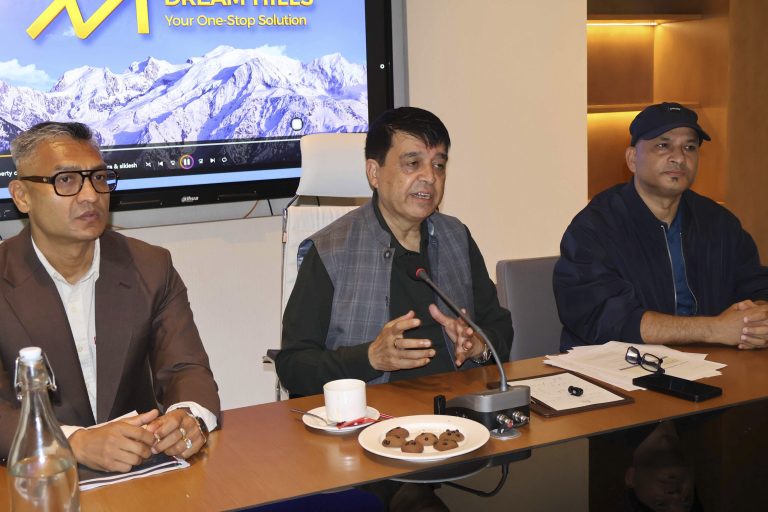
Tourism Minister Basant Kushwaha, in a letter addressed to the chiefs of the district police offices, expressed concern over the rising number of complaints and viral incidents involving alleged misconduct by security personnel, particularly at checkpoints along the Indo-Nepal border. The directive calls for dignified treatment and hassle-free passage for Indian tourists, who constitute a significant share of cross-border visitors to the region.
Growing Concerns Over Border Conduct
The move comes in response to a recent viral video that surfaced on social media, showing armed police personnel confronting Indian tourists at the Bhittamod border checkpoint in Mahottari district. The video has sparked widespread criticism from both domestic and Indian observers, raising questions about border hospitality and security protocols.
“In the name of security checks, Indian tourists are reportedly subjected to unnecessary delays and inappropriate treatment,” Minister Kushwaha stated in the letter. “This is neither in the spirit of tourism promotion nor in line with our commitment to building a tourist-friendly environment.” The Minister emphasized that such actions could damage Nepal’s international image and negatively impact the flow of foreign visitors, particularly from India, the country’s largest source of tourists.
Formal Request for Police Cooperation
In his directive, Minister Kushwaha urged district police chiefs in Sarlahi, Mahottari, Dhanusha, Siraha, Saptari, Rautahat, Bara, and Parsa to take immediate steps to address this issue. The letter highlights the importance of striking a balance between maintaining security and respecting the dignity of travelers.
“I request that appropriate facilitation measures be adopted to ensure that tourists coming from India do not face any unnecessary inconvenience at border points,” the letter read. “Police officials are advised to exercise discretion and professionalism while conducting necessary checks, avoiding any form of harassment. The Minister added that fostering a welcoming atmosphere for visitors is crucial for the province’s economic development and cultural diplomacy.
Border Tourism: A Vital Economic Driver
Madhesh Province shares a long and porous border with India, and cross-border tourism is a major contributor to the local economy. Thousands of Indian tourists visit Nepal every year for pilgrimage, shopping, family visits, and tourism.
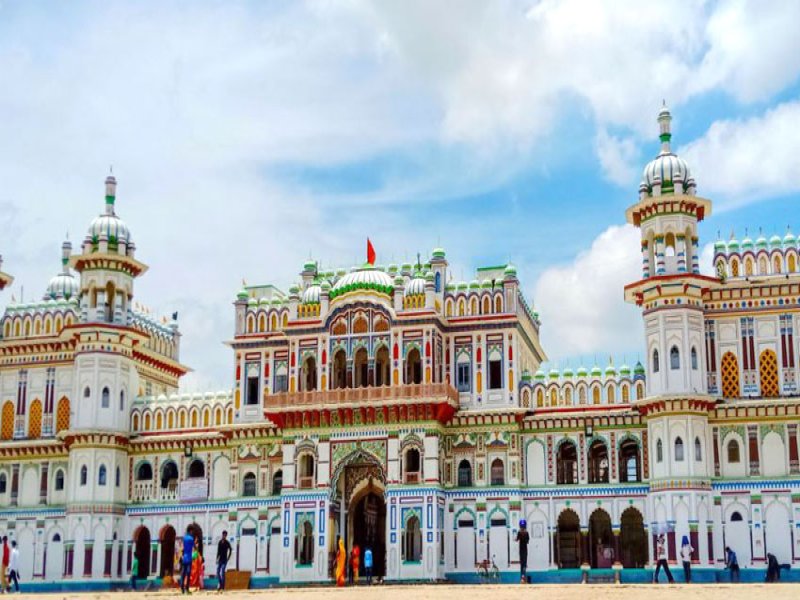
Destinations like Janakpur Dham, the birthplace of Goddess Sita and a major pilgrimage site, attract a significant number of Indian devotees and tourists. The recent complaints, if left unaddressed, could lead to a decline in tourist flow, undermining efforts to boost tourism in the post-COVID era.
Local businesses, hoteliers, and transport operators have already expressed concern over the deteriorating experience for tourists at border entry points. Some traders in Mahottari and Dhanusha districts said they have observed a noticeable dip in Indian tourist arrivals since the release of the controversial video.
Civil Society and Business Groups Respond
The provincial government’s action has been welcomed by tourism entrepreneurs and civil society organizations. The Madhesh Tourism Promotion Committee, in a statement, commended the Minister’s intervention and called for swift implementation of the directive on the ground.
“This is a much-needed step to ensure that our guests feel safe, respected, and welcomed in Nepal,” said Rajendra Yadav, a Janakpur-based hotel owner. “We must ensure that tourism-friendly behavior is upheld by all security agencies.” Meanwhile, human rights groups have called for training programs for border security officials on hospitality, cultural sensitivity, and rights-based approaches to tourist handling.
A Call for Institutional Reform and Training
Experts suggest that the recent controversies stem from a lack of proper training, oversight, and accountability mechanisms within the border security system. They argue that officers often operate with outdated or rigid protocols, unaware of their broader impact on tourism and bilateral relations.
“It’s not just about isolated incidents. There needs to be systemic reform,” said Dipak Mahato, a tourism analyst based in Birgunj. “Security personnel should be trained to balance safety protocols with basic human courtesy and cultural understanding, especially in a province where cross-border movement is so common.”
Looking Ahead: Policies and Public Image
In light of the growing importance of regional tourism and economic connectivity, the Madhesh government’s directive is seen as a proactive step toward restoring tourist confidence. However, experts caution that the real test lies in its implementation at the grassroots level, where behavior change and institutional discipline are essential.
Minister Kushwaha has also hinted at the possibility of inter-agency coordination meetings and public awareness campaigns to strengthen Nepal’s border image as tourist-friendly and professional.
“This is not just about security, it’s about respect, hospitality, and Nepal’s global reputation,” the Minister said in closing. If implemented effectively, this initiative could set a precedent for other provinces and federal agencies to create a more welcoming and inclusive environment for all visitors entering Nepal through its land borders.