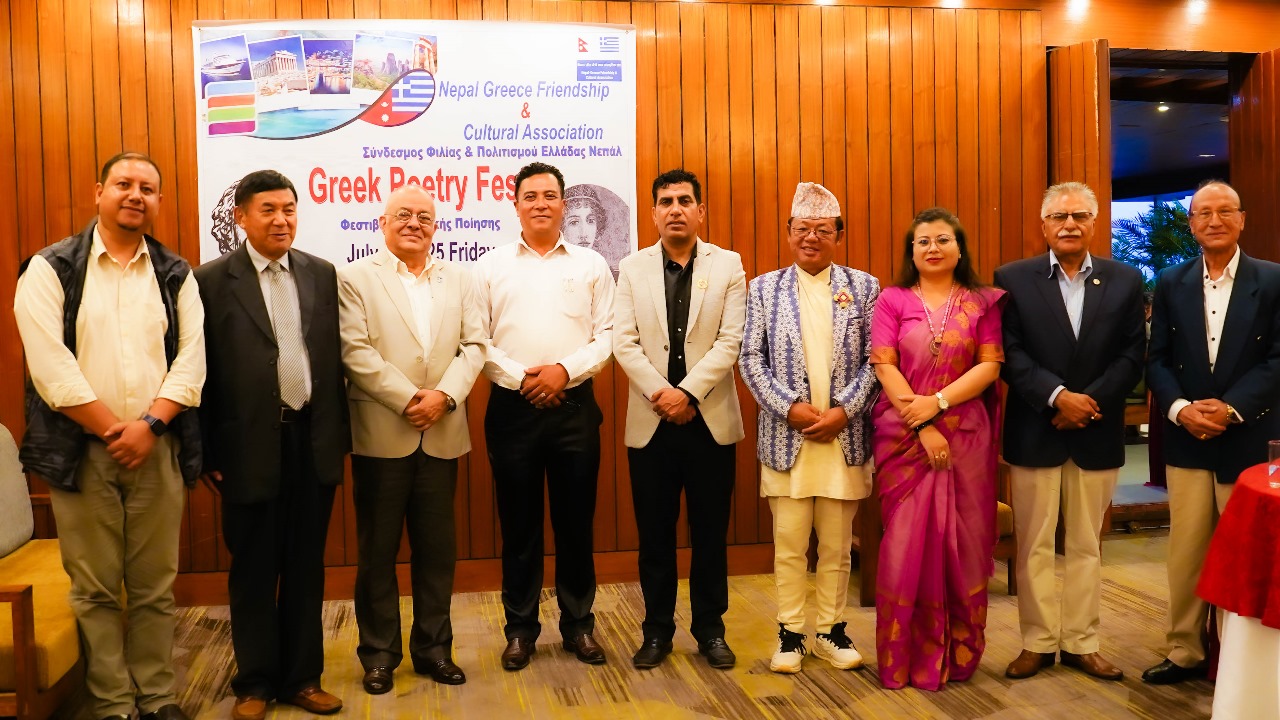
In a unique confluence of poetry, culture, and diplomacy, the Greek Poetry Festival organized by the Nepal-Greece Friendship and Cultural Association, established in 2001, marked a new milestone in Nepal’s cultural diplomacy and tourism promotion. The vibrant event celebrated the literary richness of Greek poetry translated into six different languages, symbolizing the unity of diverse cultures and shared human experiences. Held with the aim of fostering friendship between Nepal and Greece, the program also provided an ideal platform to highlight Nepal’s cultural soft power and its potential to attract literary and cultural tourists.
A Fusion of Culture and Tourism
The event, graced by distinguished dignitaries, poets, and tourism entrepreneurs, served not just as a literary gathering but also as an important cultural exchange initiative with strong implications for Nepal’s tourism sector. At the heart of the event was a shared vision, to promote Nepal as a cultural destination that values artistic expression and global cooperation.
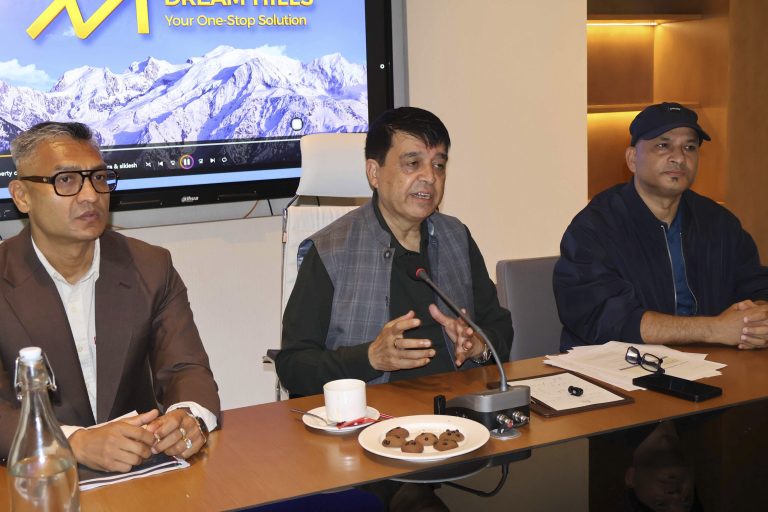
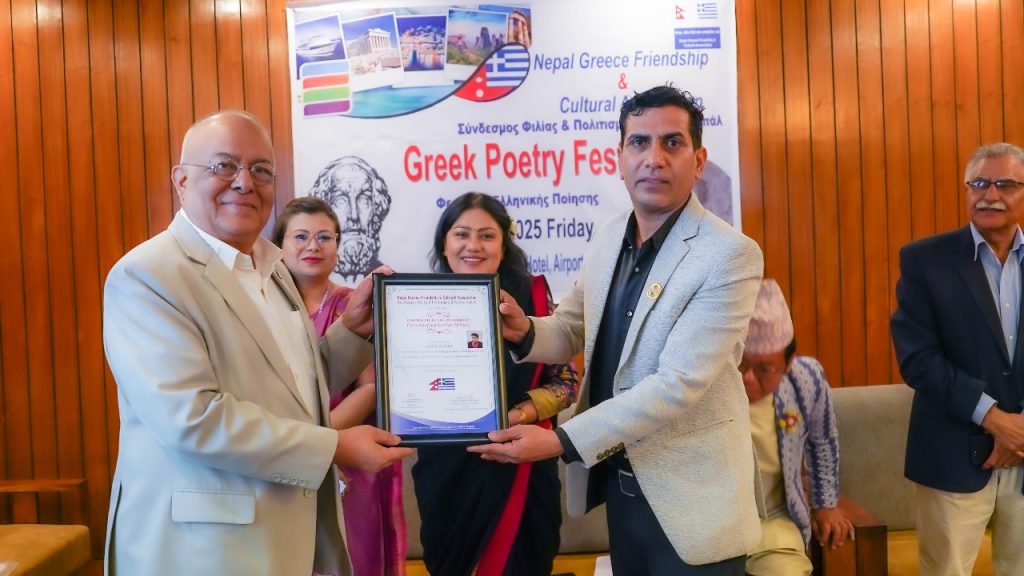
Manoj Newa, President of the Nepal-Greece Friendship and Cultural Association, and Bikram Pandey Kaji, Patron of the Association and the Honorary Consul General of Greece to Nepal, played key roles in coordinating the festival. In a gesture of appreciation and solidarity, a heartfelt vote of thanks was extended by a newly inducted member of the association, who acknowledged the support of Pandey Kaji and the organizing team for enabling their inclusion into the cultural fraternity.
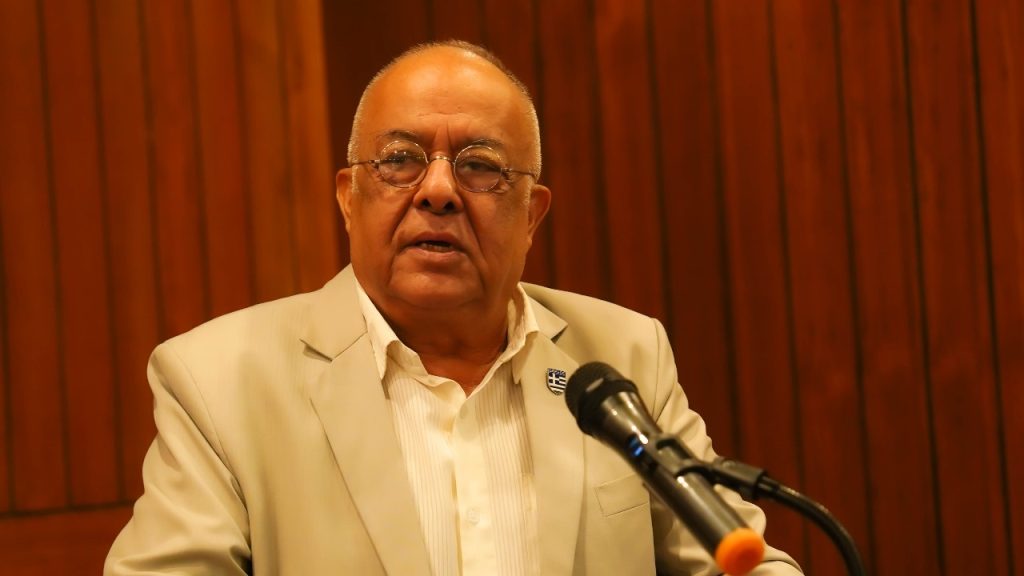
Pandey Kaji, a well-known personality in Nepal’s tourism and mountaineering sectors, emphasized the importance of such cross-cultural events in enhancing Nepal’s image on the international stage. According to him, Nepal’s unique value proposition lies not only in its mountains but also in its culture, heritage, and the hospitality of its people—attributes that are best promoted through international cultural events.
Broad Participation from Tourism and Literary Circles
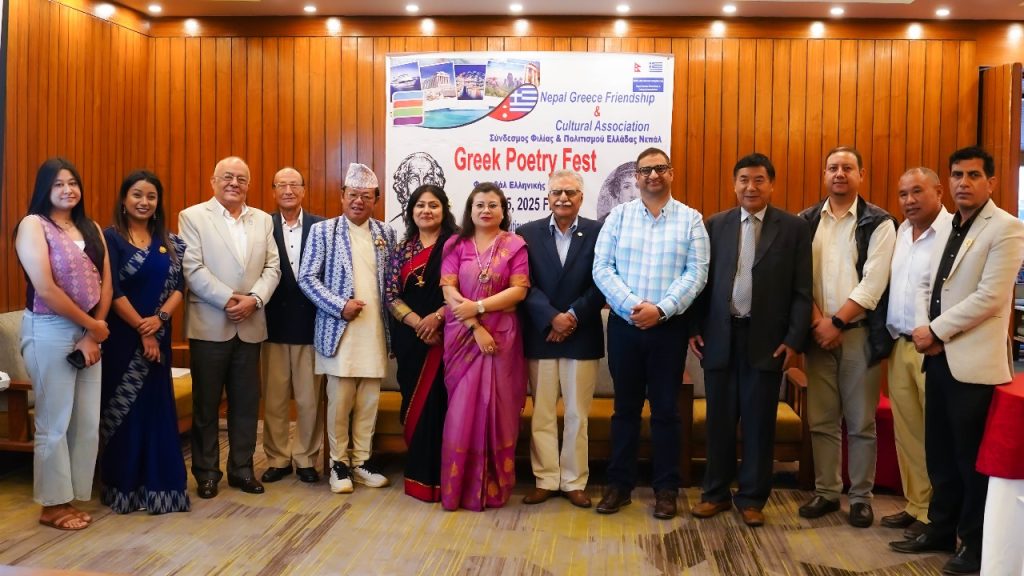
The program saw enthusiastic participation from several notable figures in Nepal’s tourism and hospitality sector. Among them were Suresh Baral, President of the District Hotel Entrepreneurs Association, Kathmandu; P.K. Sherpa, Niroj Joshi, and Krishna Raj Bhandari, all active contributors to Nepal’s tourism development. Their presence highlighted the growing collaboration between tourism entrepreneurs and cultural organizations to promote Nepal through soft power initiatives.
A series of poetry recitations by both Nepali and international poets captivated the audience. Poets like Dharmendra Jha, Dr. Jagadish Chandra Pokharel (former Vice Chairman of the National Planning Commission), Yaseliyong Hang, Anjita Khadka, and Rita Maharjan added depth and diversity to the celebration. Their readings emphasized common themes of human emotion, resilience, nature, and cultural pride, values that resonate deeply with both Nepalese and Greek cultural traditions.
Dr. Jagadish Chandra Pokharel’s involvement was particularly significant. As a former top-level policy planner and cultural advisor, his support underscored the alignment of cultural diplomacy with Nepal’s national development agenda, especially in areas such as tourism and international cooperation.
Cultural Diplomacy as a Tool for Tourism Promotion
The successful execution of the Greek Poetry Festival underscores Nepal’s potential to position itself as a regional hub for international cultural and literary festivals. Events like these not only enhance bilateral ties but also attract foreign visitors interested in literature, heritage, and cross-cultural dialogue.
Nepal’s rich literary heritage and diverse cultural landscape offer immense potential for the growth of cultural tourism, a sub-sector that has remained relatively underutilized. The involvement of Greek poetry in this context opens the door for future partnerships, potentially paving the way for cultural tourism packages, literary tours, and creative residency programs for international artists.
Additionally, the active collaboration between the private tourism sector and cultural institutions could play a transformative role in diversifying Nepal’s tourism offerings beyond adventure and nature-based tourism. Tourists today seek immersive experiences, and literary festivals provide the perfect backdrop for such engagements.
A Step Towards Global Cultural Synergy
As Nepal continues to recover from the economic downturn caused by the COVID-19 pandemic and other global disruptions, initiatives like the Greek Poetry Festival provide fresh avenues for economic and cultural revival. The Nepal-Greece Friendship and Cultural Association’s efforts not only honor longstanding diplomatic ties but also create a bridge between civilizations through the universal language of art and poetry.
With support from diplomatic figures like Bikram Pandey Kaji and literary advocates such as Dr. Pokharel, Nepal can aspire to host more such international events that leave lasting impressions on visitors and strengthen Nepal’s global identity as a country of peace, culture, and poetic beauty.
The Greek Poetry Festival was more than just a literary event, it was a celebration of friendship, a showcase of Nepal’s cultural capital, and a promising step toward making tourism in Nepal more diverse, inclusive, and globally connected.