Renowned Chinese mountaineer He Jing, along with a team of elite Nepali climbers, successfully summited two previously unclimbed peaks in the remote Mustang Himal Range on Sunday morning, marking a significant milestone in Himalayan exploratory mountaineering.
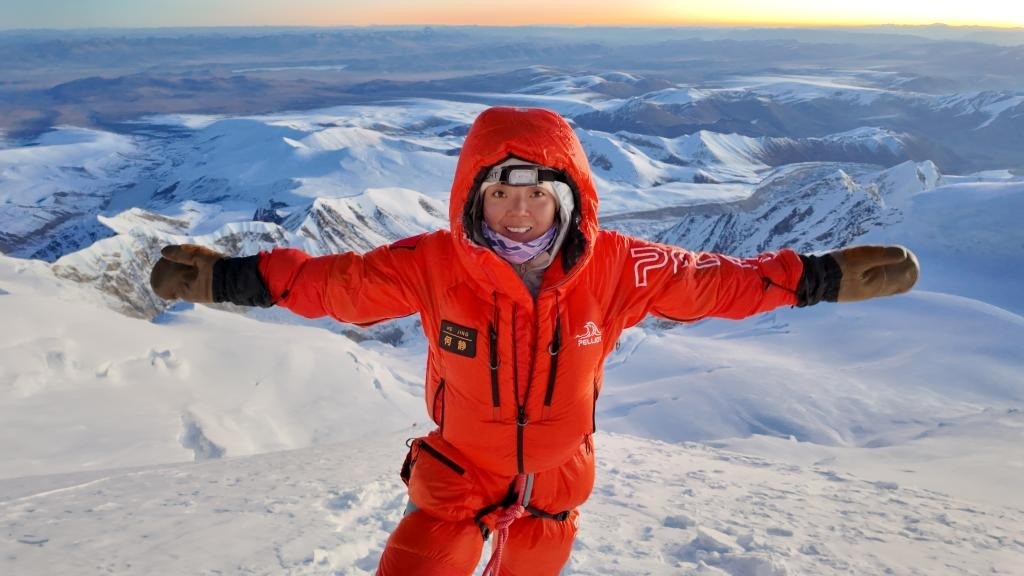
He Jing, globally celebrated as the first woman to summit all 14 eight-thousanders to their true summits without supplemental oxygen, reached the top of Jyanglatunpu (6,062 metres) at around 9:25 am, followed by Kekyap Ri (6,187 metres) at approximately 12:45 pm, according to Chhang Dawa Sherpa, Expedition Director of Seven Summit Treks (SST). The successful ascents add two new names to Nepal’s mountaineering map and reinforce Upper Mustang’s reputation as one of the last frontiers for high-altitude exploration.
Strong Nepali–Chinese expedition team
The expedition was led by He Jing and supported by an experienced Nepali guiding team, including IFMGA Guide Dawa Phinjo Lama Bhote and SST senior guides Ming Temba Sherpa, Phurba Sonam Sherpa, and Speed Dawa.
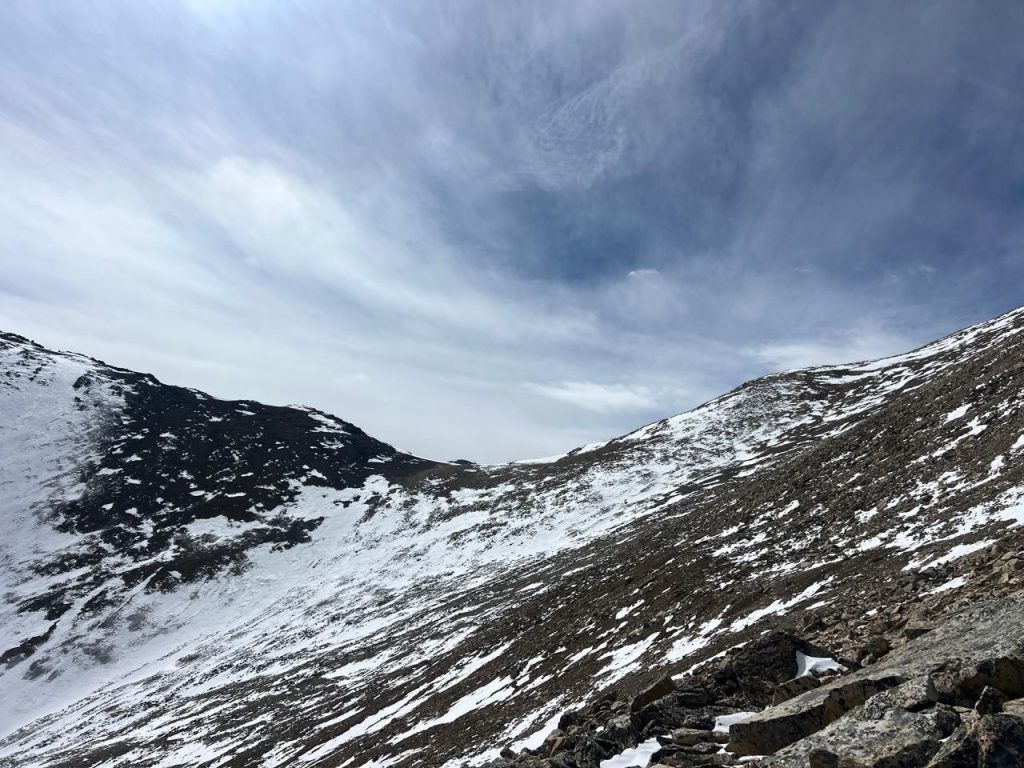
The climbers began their summit push at around 2:25 am, navigating steep, untouched terrain and challenging alpine conditions before standing atop the two virgin summits within the same day. “This double summit is a remarkable achievement, especially considering the technical nature and remoteness of the peaks,” Chhang Dawa Sherpa said.
Alternative route through the Ghyun Valley
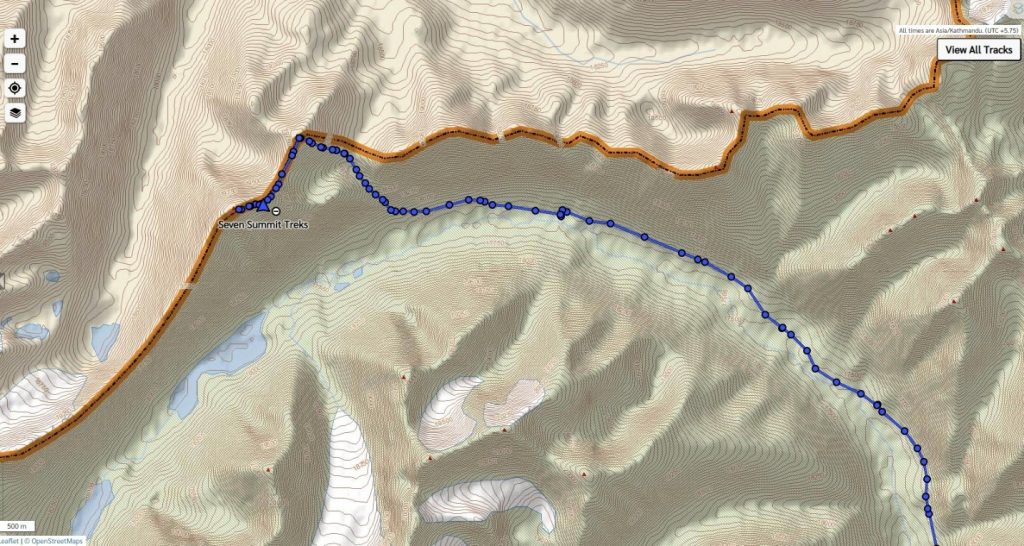
The SST–Pelliot Exploratory Expedition departed Kathmandu on February 4, opting for an alternative approach via the Ghyun Valley, a less-traveled route earlier explored by another SST first ascent team.
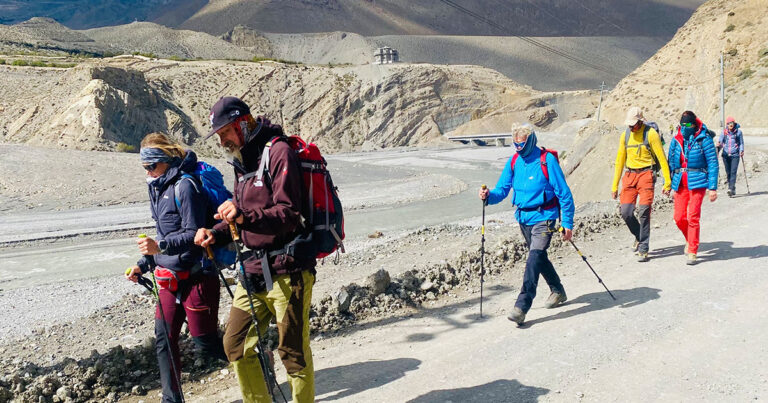
After several days of trekking and acclimatization, the team crossed Kekyap La Pass (5,600 metres), a critical gateway to the inner valley, before heading northwest to establish base camp on February 8, at the foot of the unclimbed mountains. The route demanded careful navigation through high passes, exposed ridgelines, and untouched glacial terrain, underlining the expedition’s exploratory character.
Testing gear on virgin Himalayan terrain
The expedition received full support from Pelliot, a leading Chinese outdoor equipment brand, which provided technical gear and high-altitude equipment for the climb. The Mustang Himal ascents served as a real-world testing ground for Pelliot’s equipment under extreme conditions.
“We are thankful to Pelliot for wholeheartedly supporting this expedition with best-in-class gear, which was tested on virgin Himalayan peaks,” Chhang Dawa Sherpa said. He Jing is a sponsored athlete of Pelliot and has long been associated with pushing the limits of human endurance in high-altitude mountaineering.
Focus shifts to another unclimbed summit
Following the successful double ascent, the team is now descending safely back to base camp. However, their expedition is not yet over. The climbers are preparing to attempt Chhuama IV (6,179 metres), the last virgin summit of the Chhuama Range, in the coming days, weather and conditions permitting. If successful, the climb would further cement the expedition’s contribution to Himalayan exploration and mapping.
Expanding Nepal’s exploratory mountaineering legacy
Nepal is home to hundreds of unclimbed peaks, particularly in remote regions such as Upper Mustang. Expeditions like this not only advance global mountaineering knowledge but also highlight Nepal’s potential beyond commercial climbing routes.
With international collaboration, skilled local guides, and growing interest in exploratory ascents, the Mustang Himal Range is emerging as a new chapter in Himalayan adventure. The expedition was organized by Seven Summit Treks and supported by Pelliot, with live tracking conducted via Garmin inReach.