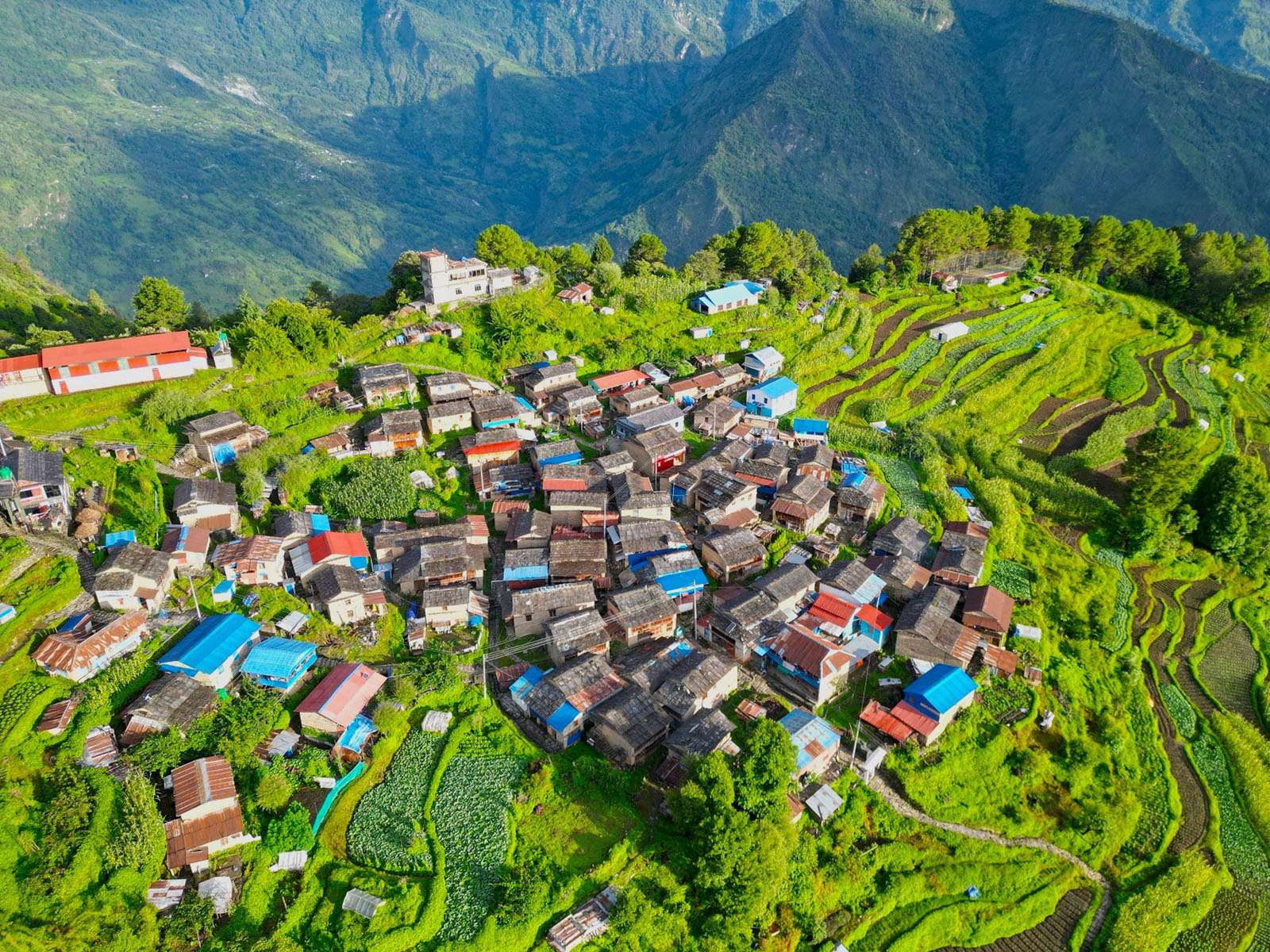
Histan Tikot, nestled at an elevation of 2,250 meters in Annapurna Rural Municipality-7 of Myagdi district, is a serene village rich in natural beauty and vibrant Magar Pun culture. Despite its immense potential, this village remains an underrated destination in Nepal’s tourism landscape. Surrounded by panoramic views of the majestic Dhaulagiri, Manapathi, Nilgiri, Annapurna, and Baraha ranges, Histan Tikot offers a tranquil escape from urban chaos while immersing visitors in authentic rural and ethnic experiences.
Tourism Decline After COVID-19
Thagraj Pun, a local homestay operator and tourism promoter, reflects on the village’s struggle to regain tourism momentum after the global COVID-19 pandemic. “Tourism in Histan Tikot was already limited before the pandemic, but the situation has worsened since then. We have not seen a consistent flow of visitors,” Pun shared. The region has been part of the Annapurna-Dhaulagiri Community Ecological Trekking Route, designed under the master plan of renowned innovator Mahabir Pun in 2011. However, the anticipated influx of trekkers and nature enthusiasts never truly materialized.
Stunning Views and Unique Trekking Routes
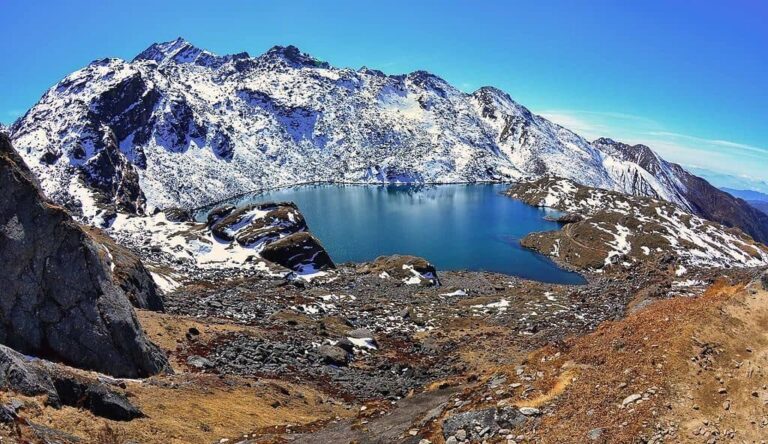
Histan Tikot is not only rich in culture but also blessed with breathtaking viewpoints. Tourists hiking just 30 minutes uphill from the village to Panchabal Dada are rewarded with sweeping vistas of snowcapped peaks, mesmerizing sunsets, and scenic rural landscapes. The vantage point offers a surreal experience of the Myagdi hills and nearby mountain settlements, making it a dream location for photographers, nature lovers, and trekkers alike.
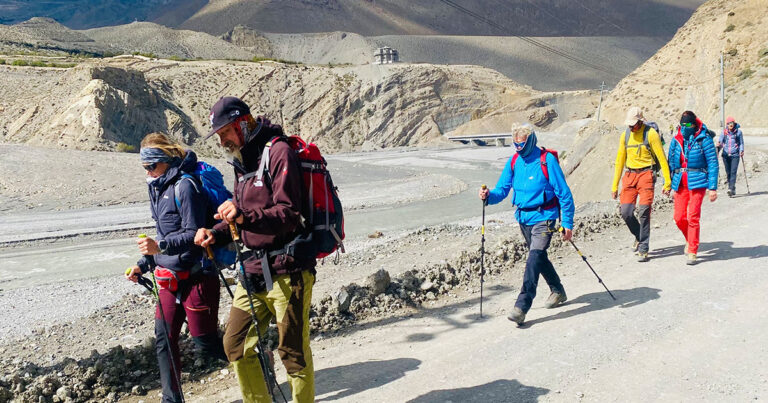
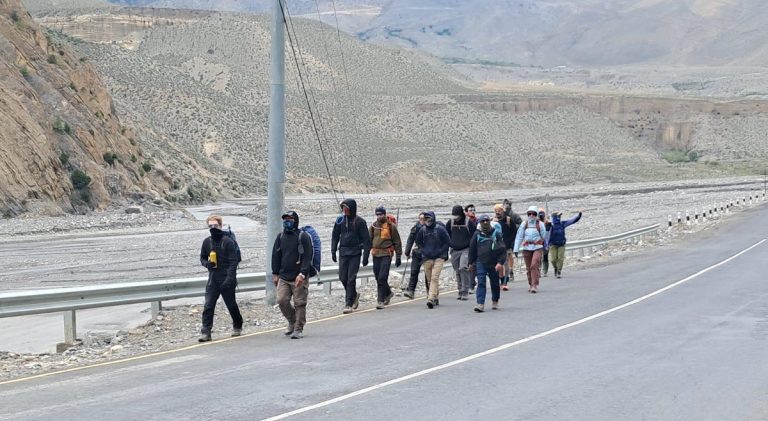
The village serves as a stop on the fifth day of the Annapurna-Dhaulagiri Community Ecological Trek, a route that runs through Beni, Mallaj, Banskharka, Dadakateri, Nagi, Moheredada, Phulbari, and Thulakharka before reaching Tikot. From there, trekkers can head towards Khopra via Tiplyang and Khiwang, or choose to reach Tikot directly from Beni by a two-hour jeep or motorcycle ride on a rugged dirt road passing through Tiplyang and Mahabhir.
Local Hospitality and Cultural Immersion
Histan Tikot is home to the Pun Magar community, whose warm hospitality adds unique value to the tourism experience. The village currently offers homestay accommodations through 10 local households, with the capacity to host over 40 tourists daily. These homes provide a cozy and immersive experience for visitors looking to connect with local life and traditions.
Homestays and a community lodge were established under the support of the Micro Enterprise Development Program, aiming to empower locals and foster sustainable tourism. Nepali travelers typically book directly through personal contacts, while international outreach remains limited. Guests enjoy traditional Magar cuisine prepared with locally sourced and organic ingredients, including wild mushrooms, seasonal greens, millet dishes, cow’s milk, yogurt, and free-range chicken, all cultivated without pesticides or chemical fertilizers.
Adding to the charm, visitors are greeted with heartwarming welcome songs and dances performed by local mother groups and cultural associations, preserving age-old traditions and adding a festive air to the village.
Preserving Heritage Through Museums
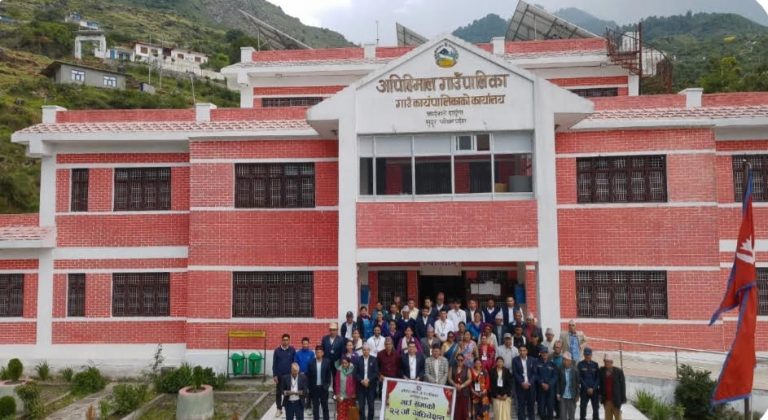
Recognizing the importance of cultural preservation and tourist attraction, the Annapurna Rural Municipality has initiated the construction of a museum in Tikot. The two-story building, funded with Rs. 2.9 million over the past two fiscal years, is designed to showcase traditional Magar lifestyle artifacts and original household items used over generations. Mailan Purja Pun, ward chairperson of Annapurna Rural Municipality-7, stated that the museum will both entertain visitors and act as a repository of indigenous knowledge and heritage.
This museum is expected to serve as an educational and cultural hub, encouraging both domestic and international tourists to better understand the local way of life and appreciate the deep-rooted customs that continue to thrive in the region.
The Way Forward
Despite its impressive natural offerings and rich cultural assets, Histan Tikot remains a largely untapped tourism destination. The lack of consistent promotional efforts, proper infrastructure, and post-pandemic recovery plans has slowed its growth. Locals like Thagraj Pun remain hopeful, yet acknowledge the need for governmental and private sector collaboration to rejuvenate tourism in the area.
Enhanced accessibility, digital marketing of homestays, partnerships with trekking agencies, and cultural festivals could serve as catalysts in transforming Histan Tikot into a thriving eco-cultural tourism spot. As Nepal continues to promote sustainable tourism, hidden villages like Tikot deserve focused attention and support to truly shine on the national and international stage.
In essence, Histan Tikot is more than a scenic destination, it is a living museum of Magar culture, a window to the Himalayas, and a testament to Nepal’s potential to offer diversified tourism experiences beyond the conventional trails.