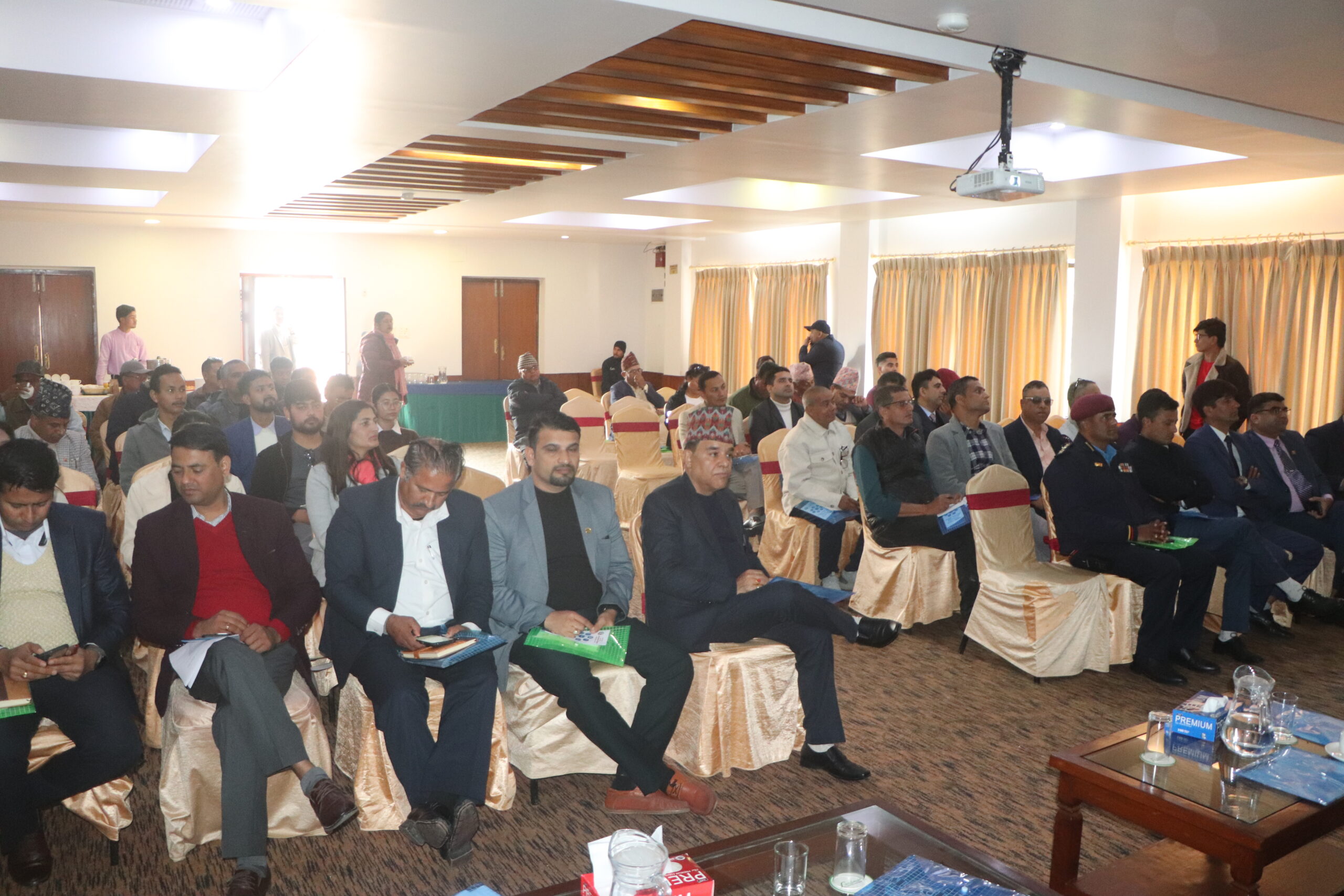
The Department of Immigration of Nepal recently organized an orientation program in Sauraha to implement the Foreign National Management Information System (FNMIS), marking a significant step in modernizing foreign citizen management in the country. The initiative aims to streamline information, enhance security, and promote tourism by effectively recording and monitoring the entry of foreign nationals into Nepal.

FNMIS Implementation Already Started in Kathmandu
The department had already launched the FNMIS system in luxury hotels within the Kathmandu Valley from Poush 17. This phase made it mandatory for star-rated hotels in the capital to adopt the system. The orientation program in Sauraha marks the first effort to extend the system outside the capital, targeting key tourism hubs for wider implementation. According to the Department of Immigration, this step is aimed at strengthening coordination between immigration authorities and tourism service providers outside the capital.
Plans for Nationwide Implementation
The second phase of implementation is scheduled to begin from Falgun 17, during which the system will be made mandatory for hotels, airlines, homestays, trekking companies, tour and travel agencies, money exchange institutions, and other tourism service providers outside the Kathmandu Valley. Department Director General Ramchandra Tiwari emphasized that the system has been designed to enhance the security of foreign visitors, facilitate information management, prevent potential crimes, and contribute to tourism promotion.
Enhancing Security and Tourism Promotion
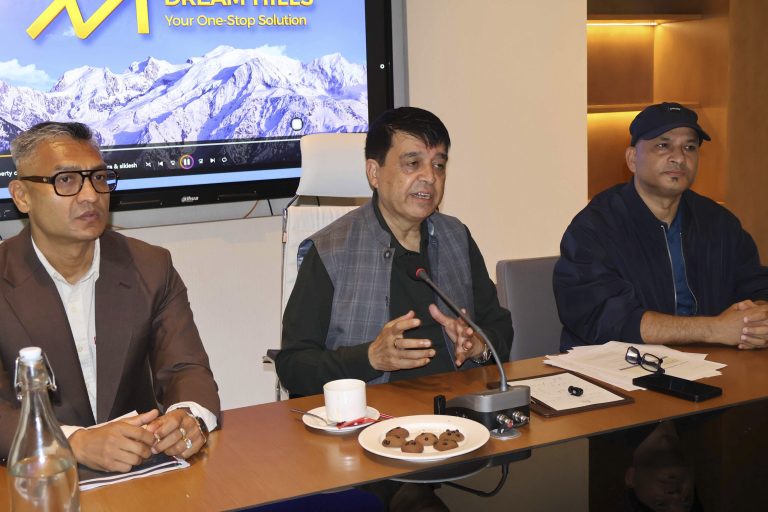
Director General Tiwari explained, “This system will maintain a complete record of foreign nationals following their arrival in Nepal. Our interaction with tourism service providers in Sauraha marks the first outreach beyond Kathmandu Valley. The primary responsibility of immigration is border security and regulation.” He further added that border management involves not only controlling movement at physical border points but also overseeing digital channels, legal compliance, and monitoring illegal activities within the country.
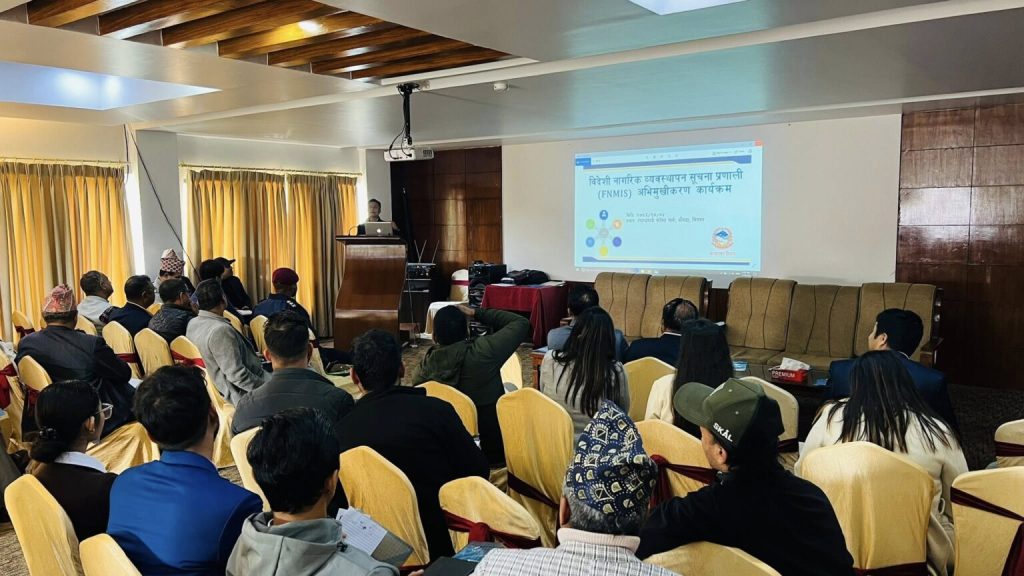
The director general also noted that the first phase involved implementing the system in star-rated hotels within the Kathmandu Valley, followed by phased deployment in major tourist destinations through coordinated efforts with relevant stakeholders.
Support for Business-Friendly Implementation
Chief District Officer Ganesh Aryal, speaking at the program, highlighted the need for the department to maintain a business-friendly approach while addressing ambiguities and procedural challenges encountered during implementation. Similarly, Basanta Raj Parajuli, President of the Chitwan branch of the Nepal Journalists Association, underscored that the system would support sustainable tourism promotion if implemented in a coordinated and smooth manner without causing unnecessary complications for service providers.
Participation from Key Tourism and Industry Stakeholders
The program witnessed participation from a wide range of stakeholders, including Om Prakash Pandey, President of the Regional Hotel Association Nepal, Chitwan; Madan Ghimire, President of the Chitwan Chamber of Commerce and Industry; Deputy Secretary Parshuram Pokharel of the Ministry of Home Affairs; chiefs of district security agencies; Prem Prasad Dhakal, Chief of the Chitwan Tourism Office; and Shankar Giri, President of Ratnanagar Chamber of Commerce and Industry. Representatives from hotels and tourism businesses from Sauraha, Chitwan, and Nawalpur were also present, reflecting the collaborative approach between the immigration department and the local tourism industry for successful system adoption.
Promoting Coordination and Sustainable Tourism
Officials emphasized that FNMIS implementation is not merely a technical exercise but a strategic effort to improve visitor management, strengthen national security, and promote Nepal as a safe and organized tourism destination. Coordinated engagement with tourism service providers is expected to enhance operational efficiency, facilitate information sharing, and reduce procedural hurdles for businesses, while ensuring compliance with national regulations.

A Step Towards Digital and Secure Tourism Management
The orientation program in Sauraha marks an important milestone in the digital management of foreign nationals in Nepal. By expanding FNMIS beyond the capital and involving local tourism stakeholders, the Department of Immigration aims to ensure that tourism growth goes hand in hand with enhanced security, data-driven governance, and sustainable development of Nepal’s tourism sector.