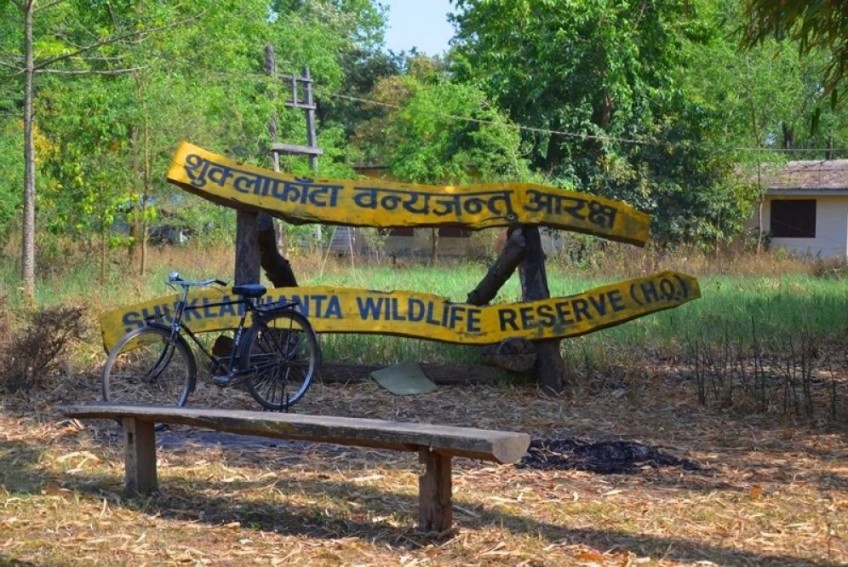
Shuklaphanta National Park in western Nepal has temporarily halted jungle safari operations due to damage caused by continuous monsoon rainfall. According to the park’s Information Officer, Purushottam Wagle, the main safari route has become severely degraded, making it difficult and unsafe for vehicles to operate.
“The roads in the main safari route have been damaged by the rains,” Wagle stated. “Vehicles were getting stuck, and tourists were facing difficulties, so we decided to suspend safari activities for now.”
The decision to close the jungle safari was made in response to growing safety concerns for both visitors and park staff. The road conditions deteriorated significantly over the past few weeks, making the park’s internal transportation routes impassable.
High Tourist Footfall Before Closure
Despite the current suspension, the park has seen considerable tourist activity this fiscal year. According to park authorities, 3,722 individuals have visited Shuklaphanta National Park in the current financial year alone. Tourists are drawn to the park for its unique landscape, biodiversity, and opportunities to witness rare wildlife in their natural habitat.
Spanning an area of 305 square kilometers, Shuklaphanta is home to one of the largest grasslands in Nepal, covering approximately 54 square kilometers. This expansive grassland serves as a primary habitat for the endangered swamp deer, locally known as barasingha.
Prime Habitat for Swamp Deer and Other Rare Wildlife
The vast grassland of Shuklaphanta National Park is the largest habitat for the swamp deer in Nepal, making it one of the primary attractions for visitors. Currently, the park is home to over 2,300 swamp deer, a figure that highlights its ecological importance.
Shuklaphanta is known not only for its rich mammalian biodiversity but also for its tranquil environment, open grasslands, and the ability to spot many species in a relatively small area. These unique features make it a preferred destination for both domestic and international tourists.
A Paradise for Birdwatchers and Nature Enthusiasts
Beyond its famed mammals, the park is a haven for bird lovers. Visitors can spot a wide variety of birds around the park’s rivers, lakes, and wetlands. Shuklaphanta hosts more than 449 species of birds, including globally rare species such as the Bengal florican (saras), black-necked stork (kharmanjur), swamp francolin (sim titra), great hornbill (rajdhesh), and lesser florican (lesser bhudifor).
These wetlands also attract migratory birds and provide nesting grounds for several endangered species, solidifying Shuklaphanta’s reputation as a birdwatcher’s paradise.
Incredible Biodiversity in a Compact Area
The park’s ecosystem is remarkably diverse considering its modest size. It is home to 53 species of mammals including high-profile and endangered animals such as the Bengal tiger, one-horned rhinoceros, Asian elephant, swamp deer, blackbuck, pangolin, blue bull (nilgai), leopard, and spotted deer (chital).
Among other species, the park houses the hispid hare, wild boar, golden jackal, and the rare hog deer. The variety of fauna, combined with rare sightings of multiple species in a short time, makes Shuklaphanta a unique ecological gem.
In addition to mammals and birds, the park also boasts:
- 12 species of reptiles
- 20 species of amphibians
- 24 species of fish
- 35 species of butterflies
This level of biodiversity is rare and highlights the ecological richness and conservation importance of the park.
Renowned for Its Rare Flora
Besides its fauna, Shuklaphanta is also known for its unique plant life. The grasslands and wetlands of the park are home to rare medicinal and native plant species that support a diverse range of wildlife and contribute to the ecological balance of the region.
Tourism Revenue and Conservation
The park plays an important role in both conservation and local tourism. Revenues generated from safari tourism and park entry fees are reinvested into wildlife conservation efforts and community development programs. The sudden halt in jungle safari activities may impact the local economy and the park’s operating budget temporarily.
Uncertain Resumption Timeline
While officials have not provided a fixed timeline for the reopening of safari operations, they have indicated that the decision will depend on weather conditions and road repairs. As the monsoon continues, further damage is possible, potentially delaying the resumption of tourist activities.
In the meantime, park authorities have urged visitors to stay informed and prioritize safety. “We hope to reopen as soon as the roads are safe and accessible,” said Wagle.
Shuklaphanta National Park remains one of Nepal’s most precious natural reserves, offering a rare glimpse into the country’s ecological wealth. Though the jungle safari has been suspended for now, the park’s allure remains strong. With restoration and better weather conditions, it is expected to welcome nature lovers and wildlife enthusiasts once again in the near future.