The influx of Indian religious tourists to Kailash Mansarovar has officially begun with the onset of the pilgrimage season, as 169 pilgrims arrived in Simikot within just four days. The movement marks a steady revival of one of the most significant spiritual journeys for Hindu and Buddhist devotees.
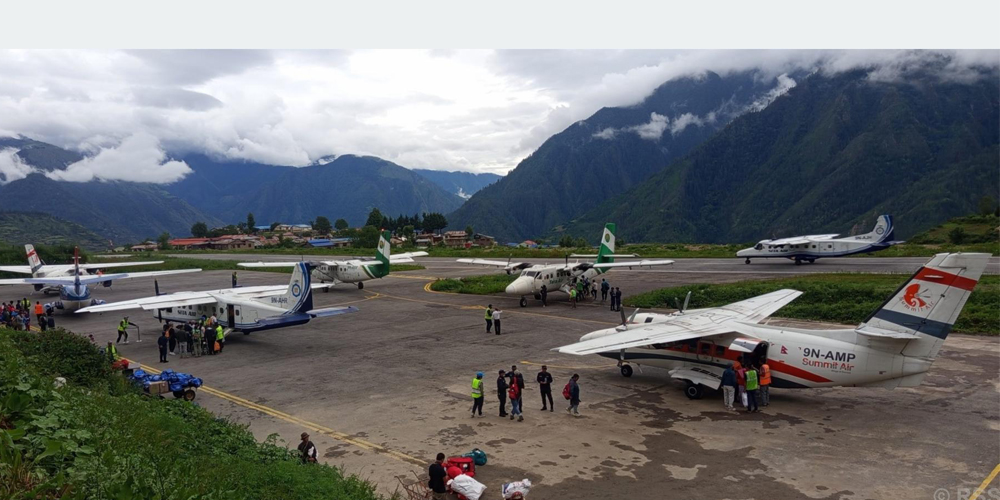
According to Simikot Airport Chief Mahendra Singh, the arrivals recorded from May 13 include 147 Indian nationals and 22 other international pilgrims. Despite challenging weather conditions in the Himalayan region, a group of 47 pilgrims successfully landed at Simikot via a Summit Air flight, which operated three separate flights on Saturday to manage passenger flow.

The pilgrims are traveling through the established Nepal route, flying from Nepalgunj to Simikot and then proceeding to Hilsa, which serves as a key gateway to the Kailash Mansarovar pilgrimage route in Tibet, China.

Weather Challenges and Permit Issues Affect Journey
Officials confirmed that while many pilgrims have successfully reached Simikot, some travelers were unable to continue their journey toward Kailash Mansarovar due to delays or a lack of required permits. Authorities are coordinating with relevant agencies to manage travel documentation and ensure smooth movement for incoming pilgrims.
The rainy season and unpredictable weather conditions in the Himalayan region have also posed challenges for flight operations. However, air services have continued with careful monitoring to support the increasing number of pilgrims.

Rising Interest After Post-COVID Reopening
The pilgrimage route has seen renewed interest since the reopening of the Hilsa border pass following COVID-19 restrictions. Officials expect the number of Indian pilgrims to rise further in the coming days as travel arrangements improve and weather conditions stabilize.
Last year, approximately 6,500 Indian pilgrims undertook the Kailash Mansarovar Yatra after China resumed access to the route, indicating strong demand for the spiritual journey. Authorities note that this year’s early arrivals, beginning from May 13, signal a strong start to the pilgrimage season and highlight growing enthusiasm among devotees despite logistical and environmental challenges.