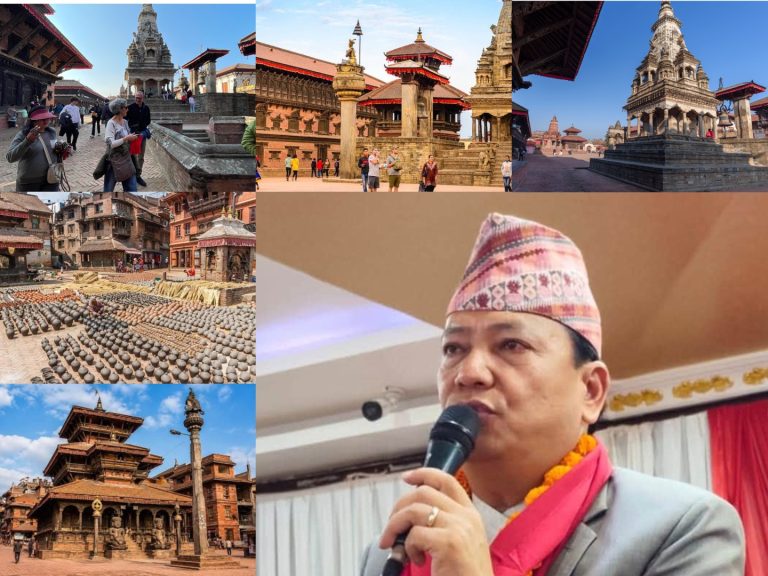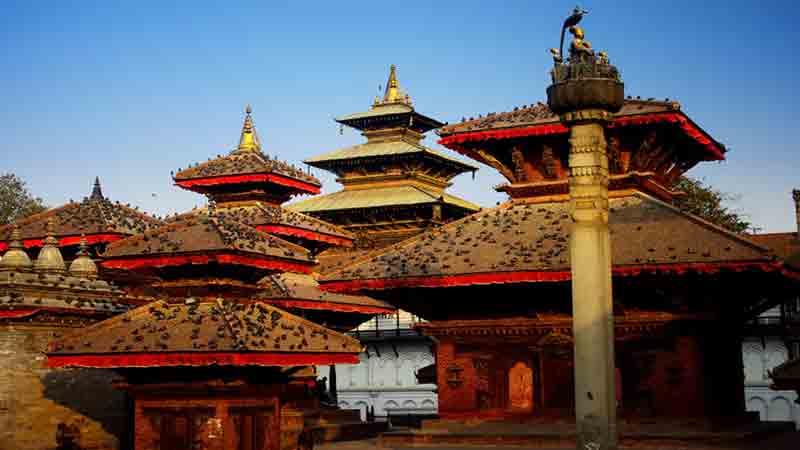
Kathmandu Durbar Square, locally known as Hanuman Dhoka Durbar Square, is a UNESCO World Heritage Site and one of Nepal’s most iconic landmarks. Located in the heart of the capital city, this historical square is a testament to the rich cultural heritage and architectural grandeur of the Kathmandu Valley. The square, which once served as the royal palace for Malla kings, is a bustling hub of cultural and religious activities, drawing tourists from around the globe.
The square is home to numerous temples, palaces, courtyards, and statues, each with its own unique story and significance. Here are some of the key attractions:
Hanuman Dhoka Palace Complex:
The Hanuman Dhoka Palace Complex is named after the statue of Hanuman, the monkey god, at the entrance. The complex consists of several courtyards, intricately carved wooden balconies, and beautifully designed windows. The palace served as the royal residence until the 19th century and now houses a museum showcasing artifacts from the Malla and Shah periods.
Kumari Ghar (House of the Living Goddess):
The Kumari Ghar is the residence of the Kumari, a young girl revered as the living goddess. The building features exquisite woodwork and intricately carved windows. Tourists often gather to catch a glimpse of the Kumari during public appearances, which are considered auspicious.
Taleju Temple:
The Taleju Temple, dedicated to the goddess Taleju Bhawani, is one of the tallest and most prominent structures in the square. Built in the 16th century, the temple is only open to Hindus during the annual Dashain festival. Its magnificent architecture and religious significance make it a must-visit site.
Jagannath Temple:
Famous for its erotic carvings, the Jagannath Temple dates back to the 16th century. The temple’s unique artwork and historical importance attract numerous visitors interested in the cultural and artistic heritage of Nepal.
Kala Bhairav Statue:
The imposing statue of Kala Bhairav, a fierce manifestation of Lord Shiva, stands as a symbol of justice. Historically, the statute was used to swear oaths in legal matters. It remains a popular spot for tourists and devotees alike.
Basantapur Tower:
The nine-story Basantapur Tower offers panoramic views of the city and the surrounding hills. Climbing to the top provides visitors with a unique perspective on the urban landscape and the traditional architecture of Kathmandu.
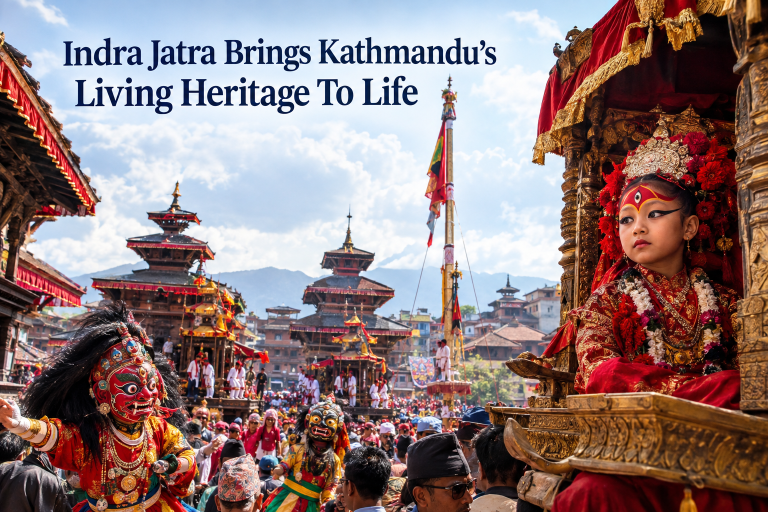
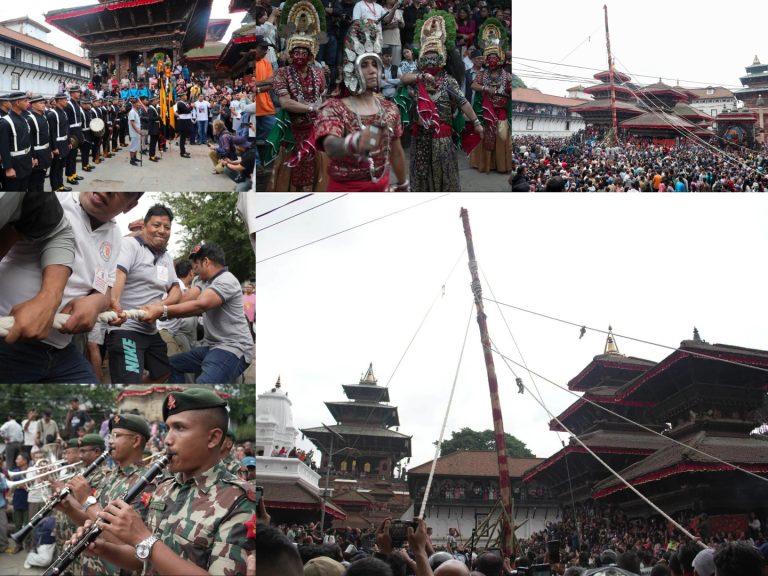
Kathmandu Durbar Square is not just an architectural marvel but also a vibrant center of cultural and religious activities. The square comes alive during festivals such as Indra Jatra, Dashain, and the Kumari Jatra. These festivals showcase traditional dances, music, and rituals, offering tourists an immersive cultural experience.
The influx of tourists to Kathmandu Durbar Square significantly contributes to the local economy. The square is surrounded by shops, cafes, and souvenir stalls, providing livelihoods for many locals. Additionally, entrance fees and guided tours generate revenue that supports the preservation and maintenance of this historical site.
Despite its allure, Kathmandu Durbar Square faces challenges such as pollution, overcrowding, and the impact of natural disasters. The devastating earthquake of 2015 caused significant damage to several structures. However, extensive restoration efforts, supported by international and local organizations, have been underway to preserve and rebuild this cultural treasure.
Kathmandu Durbar Square remains a focal point of Nepal’s cultural heritage and a must-visit destination for tourists. Its historical significance, architectural beauty, and vibrant cultural scene offer a unique glimpse into the rich traditions of the Kathmandu Valley. As preservation efforts continue, the square stands as a testament to the enduring legacy of Nepal’s artistic and cultural achievements.