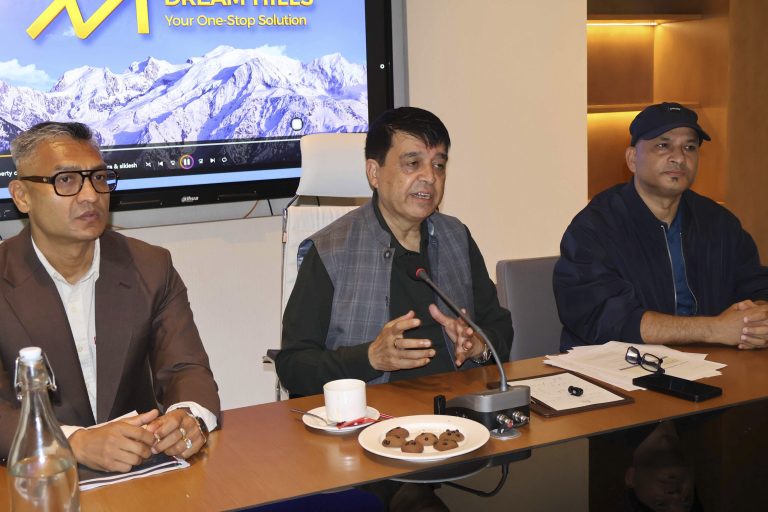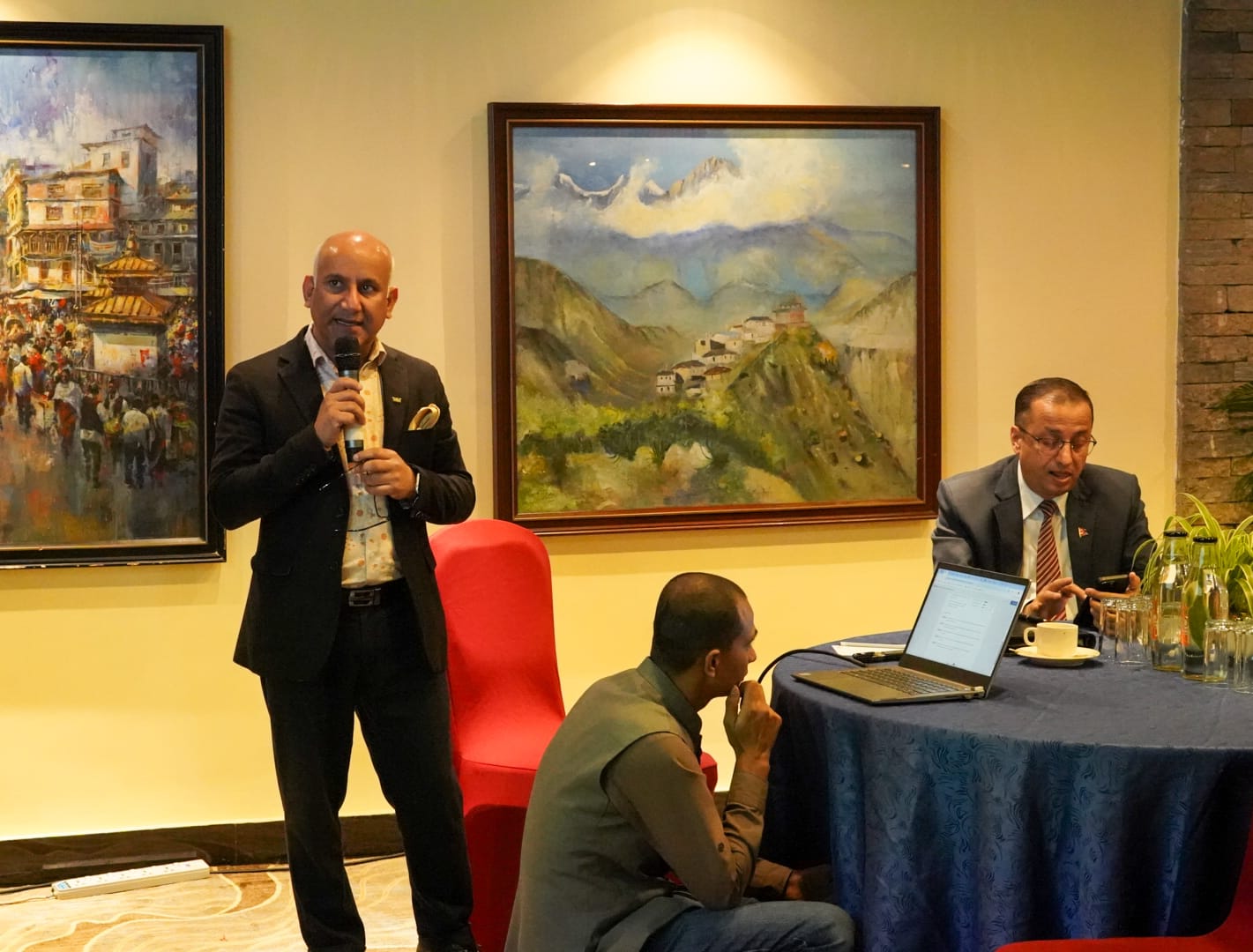
The Nepal Tourism Board held an interactive session on Thursday titled “Middle East Crisis and Its Impact on Nepali Tourism” to deliberate alternative strategies aimed at minimizing the effects of the escalating Middle East crisis on Nepal’s key source markets, air connectivity, and tourist arrivals. Stakeholders emphasized viewing the crisis not only as a challenge but also as an opportunity for strategic adaptation.
Government Commitment and Taskforce Formation
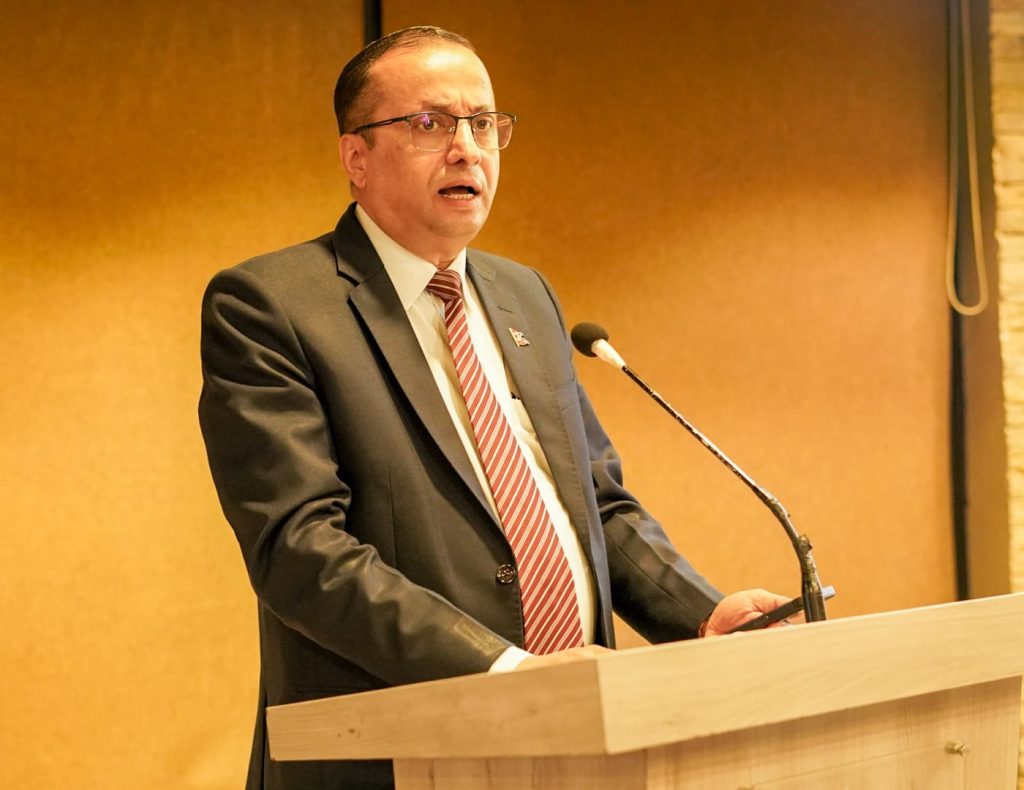
Mukunda Prasad Niraula highlighted that the Middle East is one of Nepal’s major tourism source markets and a gateway for European and American tourists. He noted that the ongoing crisis could affect both air connectivity and tourist inflows. “The government is committed to promoting Nepal as a safe and accessible destination,” he said, adding that a special task force has been established to map out the way forward. Niraula stressed that while the crisis poses challenges, it also presents opportunities, and the government is determined to minimize its impact on tourism.
Current Status and Urgent Measures
Deepak Raj Joshi, CEO of Nepal Tourism Board (NTB), presented the current tourist arrival statistics and the overall impact assessment. Vice President of Nepal Tourism Board Ram Prasad Sapkota ‘Kamal’ underscored the need for timely information flow and exploration of alternative air routes. He added, “We must send a clear message to the international community that Nepal is a safe destination. Given rising fuel costs, government support to stabilize airfares is essential.”
Similarly, Ramkaji Khadka emphasized that the world is in a complex, interdependent state, and the government is proactively preparing to mitigate potential damages to tourism. He explained that an inter-ministerial committee is coordinating solutions, and discussions are ongoing with diplomatic missions to explore alternative routes. He also highlighted the need to target India and China while leveraging tourism as an instrument of economic diplomacy.
Expansion of Alternative Air Routes
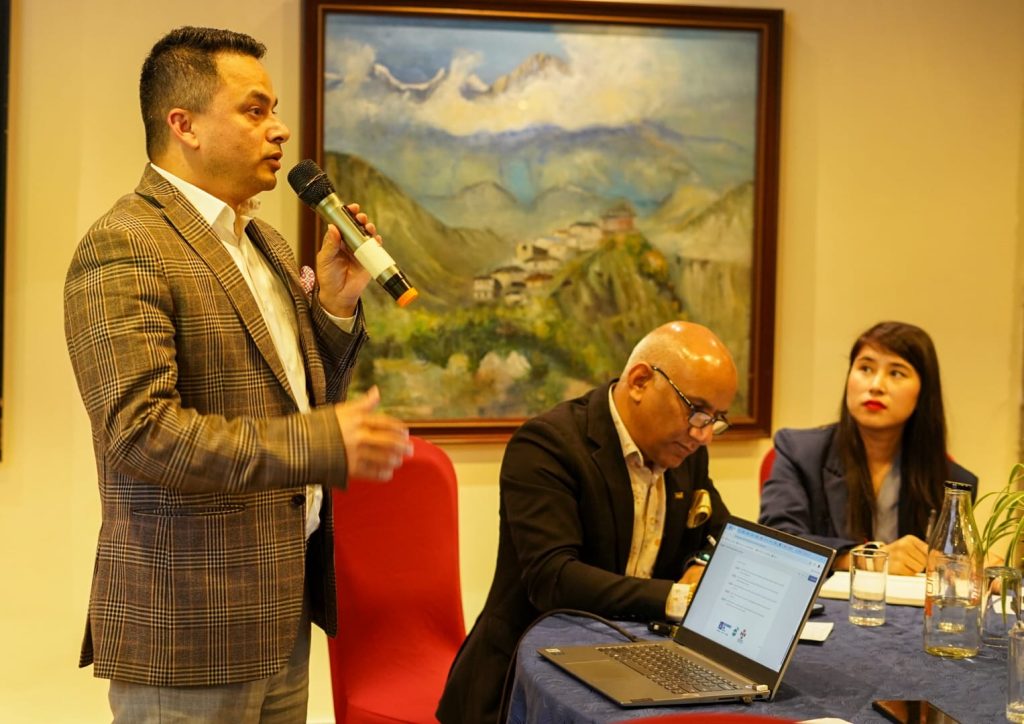
Board member Narendra Deva Bhatt stressed the importance of expanding alternative air connectivity. He suggested that new routes, such as Kathmandu–Australia, could help offset the crisis, while existing routes like Kathmandu–Narita should be fully utilized. Board member and Kumarmani Thapaliya proposed initiating flights via the Kathmandu–Hong Kong route, emphasizing coordination and flexibility among stakeholders to strengthen aviation capacity. Member Rishi Bhandari recommended special initiatives to attract tourists from India and China.
Private Sector Perspectives
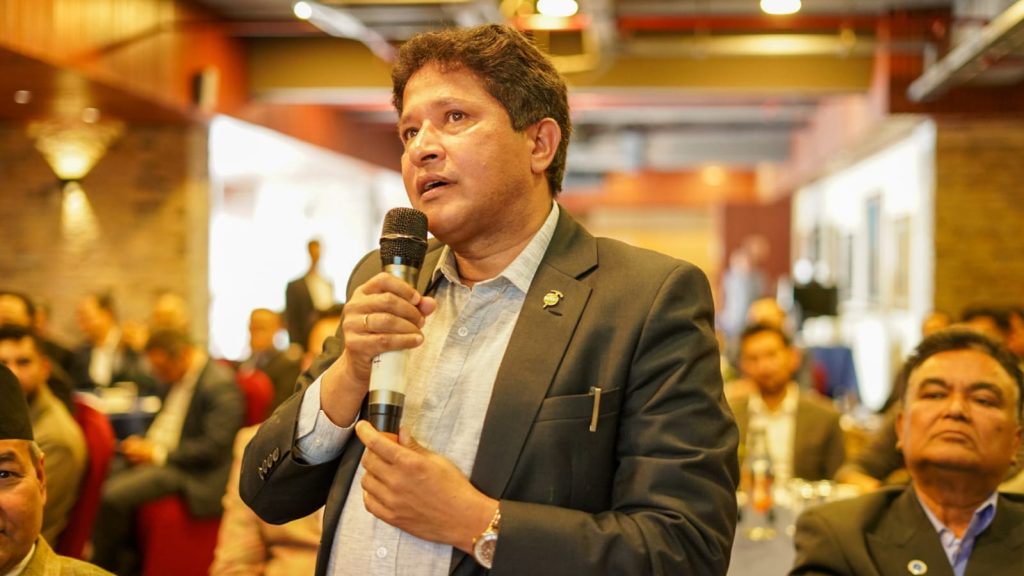
Trekking Agencies’ Association of Nepal (TAAN) President Sagar Pandey highlighted growing uncertainties for travelers via the Middle East and called for alternative routes and fuel concessions, urging active involvement by Nepal Airlines and stronger government-private sector collaboration.
Hotel Association Nepal (HAN) President Binayak Shah noted that European tourists are canceling bookings and suggested targeting India and China with tailored packages. He called for easing entry procedures to encourage arrivals and promoting domestic tourism and cultural festivals to attract regional markets.
Bishweshwar Shrestha reported nearly 47% booking cancellations, warning of long-term impacts, and emphasized providing excellent hospitality to incoming tourists. He also recommended airfare concessions to maintain tourist flows.
Airport and Airline Preparations
Tribhuvan International Airport Operations Director Santusta Kumar Basnet stated that an Air Operations Crisis Committee (AOCC) has been formed to manage the situation. With limited parking and landing capacity for 30 airlines, he assured stakeholders that measures are in place to facilitate smooth tourist movement. Airline representatives highlighted steady tourist arrivals in 2025 and early 2026, stressing that while the crisis cannot be entirely avoided, active strategies can mitigate its effects. They recommended targeting alternative markets, simplifying visa procedures, and communicating Nepal’s safety and sustainability to global travelers.
Air India representatives noted that no flights had been canceled despite rising fuel costs, and flexible booking systems have been implemented. Tourism operators are encouraged to offer incentive packages to attract tourists. TURGAN President Thaneshwor Devkota emphasized that guides are central to tourist satisfaction, calling for private sector collaboration. Other representatives suggested reducing foreign-currency-based airport charges and capitalizing on new opportunities, citing Bhutan as an example for strategic advantage.
Coordination and Effective Communication
Concluding the session, Rohini Khanal thanked participants for their suggestions, emphasizing the need for coordination and effective communication. Stakeholders agreed that transforming the crisis into an opportunity requires alternative air routes, concession policies, targeted regional promotion, and joint initiatives to ensure a secure and resilient Nepali tourism sector.