Stakeholders have said that the Millennium Trek, stretching from Dulegauda in Tanahun to Rambachha in Syangja, has the potential to become a major foundation for promoting tourism in Nepal. They highlighted that the trail, which offers a remarkable blend of natural beauty, biodiversity, historical heritage, and indigenous culture, requires strong infrastructure development, digital promotion, and coordinated efforts to establish itself as a national and international tourism destination.
Millennium Trek Promotion Program Held in Kathmandu
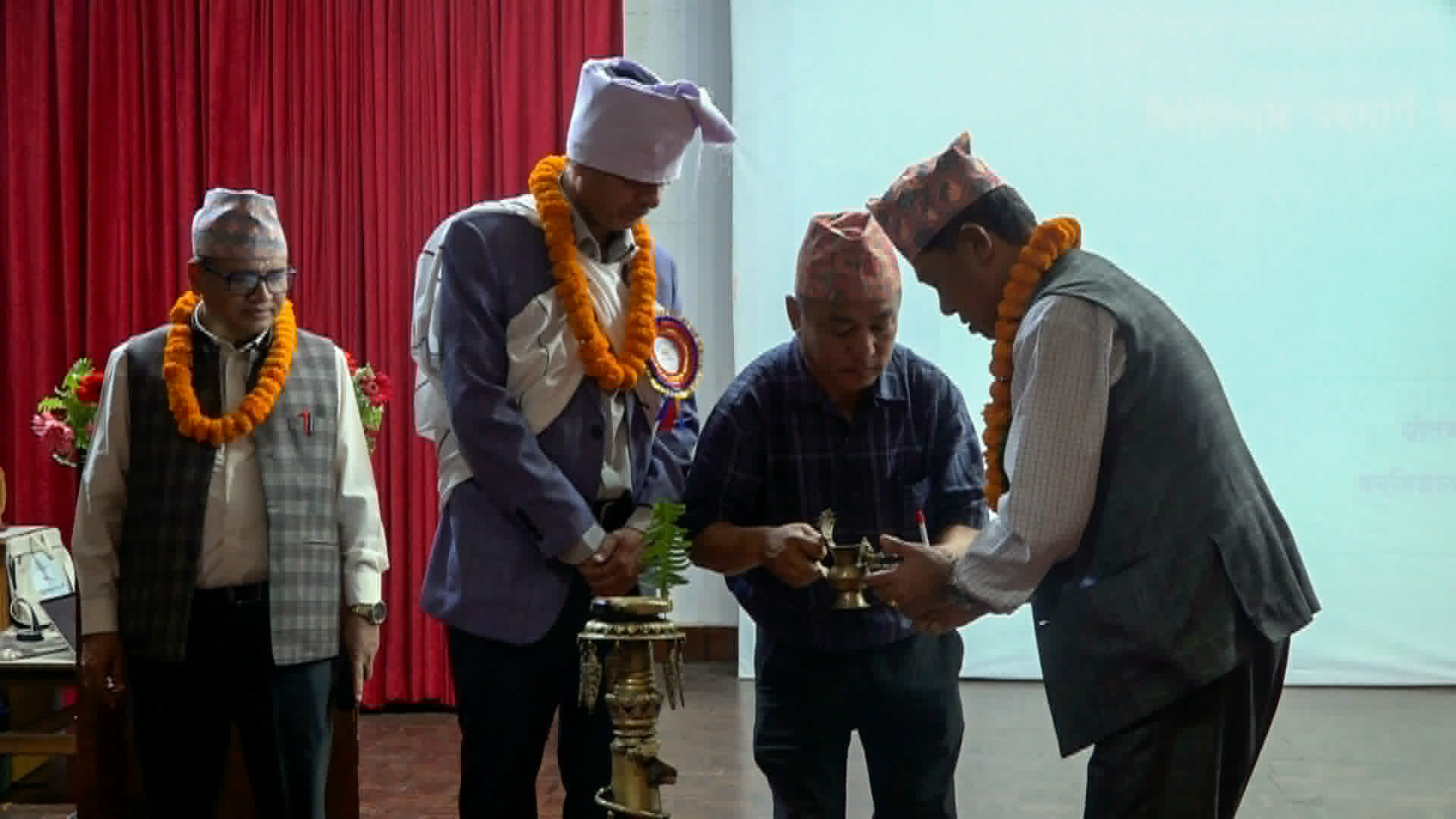
Tourism experts, entrepreneurs, and public representatives expressed this view during the “Millennium Trek Promotion Program–2083” organized on Saturday in the capital by the Millennium Trek Management Committee. Participants stressed the need to position the Millennium Trek as one of Nepal’s leading tourism products by improving accessibility, branding, and visitor facilities.

Lawmakers Stress National and Global Promotion
Chief guest and Member of Parliament from Tanahun Constituency No. 2, Engineer Shreeram Neupane, said the Millennium Trek can be developed into a major attraction not only for Nepal but also for the global tourism market. He informed that there is a plan to develop the trekking route from Chhabdi in Tanahun through Bandipur to Devghat as a cycling track under the upcoming fiscal budget, which could also be integrated with the Millennium Trek route. Neupane also emphasized the importance of digital literacy and high-quality internet access to support tourism promotion in the region.
Tourism Board Highlights Strategic Importance
Maniraj Lamichhane, Chief of the Nepal Tourism Board Pokhara Office, said that the Board is actively working for the promotion of tourism across all 11 districts of Gandaki Province. He stated that a special strategy is needed to attract tourists from other trekking destinations toward the Millennium Trek, which can help diversify trekking routes and distribute tourist flow more evenly across the region.
Experts Call for Infrastructure and Marketing Push
During a panel discussion, Sagar Pandey, President of the Trekking Agencies’ Association of Nepal (TAAN), said that the future of the Millennium Trek looks promising if infrastructure development, digital marketing, and domestic tourism promotion are effectively implemented. He noted that some sections of the trail still lack adequate accommodation facilities, suggesting that temporary tent-based services could be introduced where necessary to support trekkers.
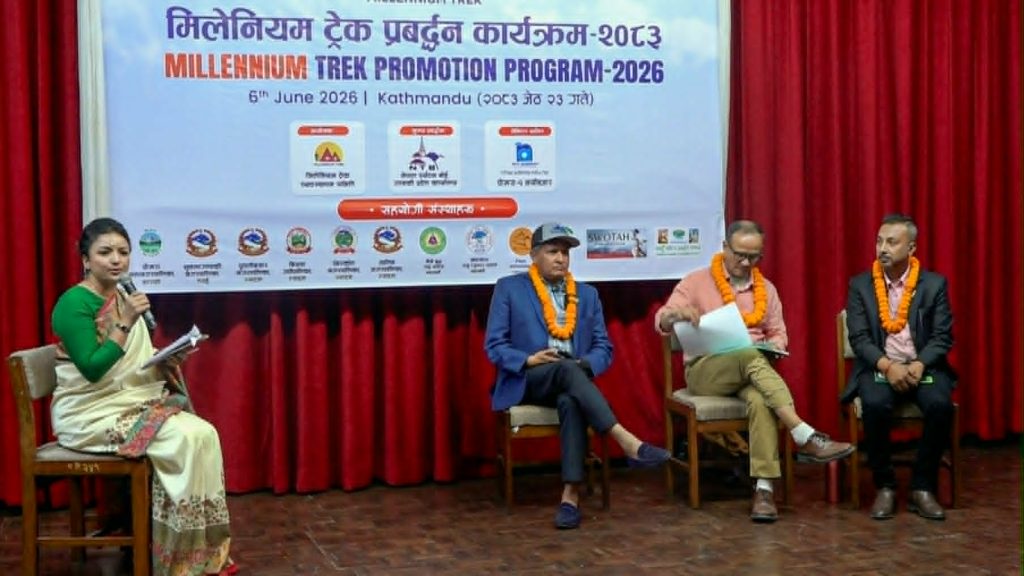
Tourism entrepreneur Chandra Dharti and Hemanta Dhakal, Secretary of the Pokhara Bird Society, also shared their perspectives on opportunities and challenges along the trekking route. The discussion was moderated by senior journalist Anita Bindu. Dr. Shreekant Khatiwada, Vice Chair of the Gandaki Province Planning Commission, presented a working paper highlighting the development potential of the trail. He suggested that October to April is the most suitable season for trekking in the region.
Rich Natural and Cultural Corridor Connecting Two Districts
The Millennium Trek, officially operational since 2000, connects Dulegauda in Tanahun with Rambachha in Syangja. Initially spanning 72 kilometers, the trail has now been extended to 92 kilometers, according to Harka Gurung, General Secretary of the Millennium Trek Management Committee.
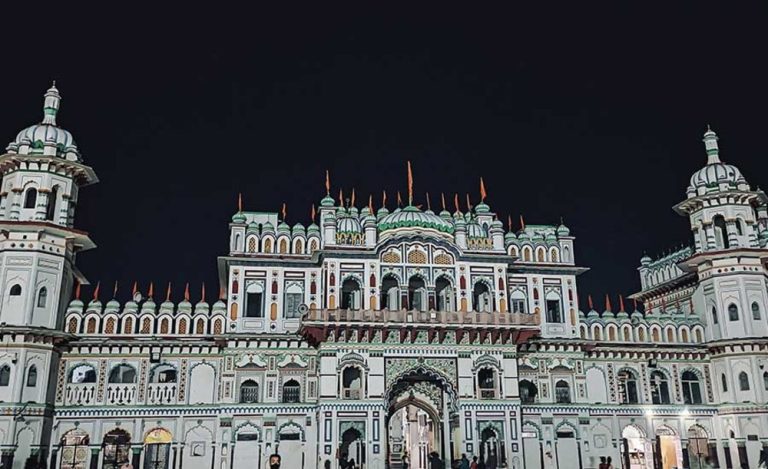
The route passes through a series of scenic and culturally significant destinations, including Gachepani Rock Garden in Dulegauda, Chyawan Dham, Dhor Barahi Temple, historic Dhor Mulkot Palace, Rajasthal, Gharedi, Millennium Cave, Kalkhu, Raipur, Kolma, Bhaisegauda, Chandrakot, Gariswora, Banethok, Bhanjyang, Deupuje Dhunga, Singarkot, Budhakot, Ramche, Gahate Manakamana, Suntalabari, and finally Rambachha. Officials said the trail is rich in natural, religious, and cultural heritage, making it highly suitable for integrated tourism development.
Birdwatching and Ecotourism Potential
The Millennium Trek is also considered highly important for birdwatching tourism. The region is home to around 300 species of birds, including rare species such as the endangered Spiny Babbler, which is found only in Nepal. Bird enthusiasts and researchers can easily observe various species along the trail, making it an attractive destination for ornithologists and nature-based tourists. Experts believe that the trail’s biodiversity could significantly contribute to Nepal’s growing ecotourism sector.

Recognition and Cultural Showcase
During the program, the Gandaki Province Chief of the National News Agency (RSS), Basudev Paudel, was honored for his contribution to the promotion of the Millennium Trek. The event, attended by acting committee chair Netra Prasad Gurung and several tourism experts and stakeholders, was supported by the Nepal Tourism Board Gandaki Province and local governments within the trekking corridor. The program also featured traditional cultural performances, including Ghatu and Kaura dances, reflecting the rich indigenous heritage of the region.
Conclusion: Strong Potential for Tourism Growth
Stakeholders concluded that with proper infrastructure development, coordinated planning, and effective promotion, the Millennium Trek can emerge as one of Nepal’s leading trekking destinations. They emphasized that the trail has strong potential to attract both domestic and international tourists, contributing significantly to local economic development and the overall growth of Nepal’s tourism industry.