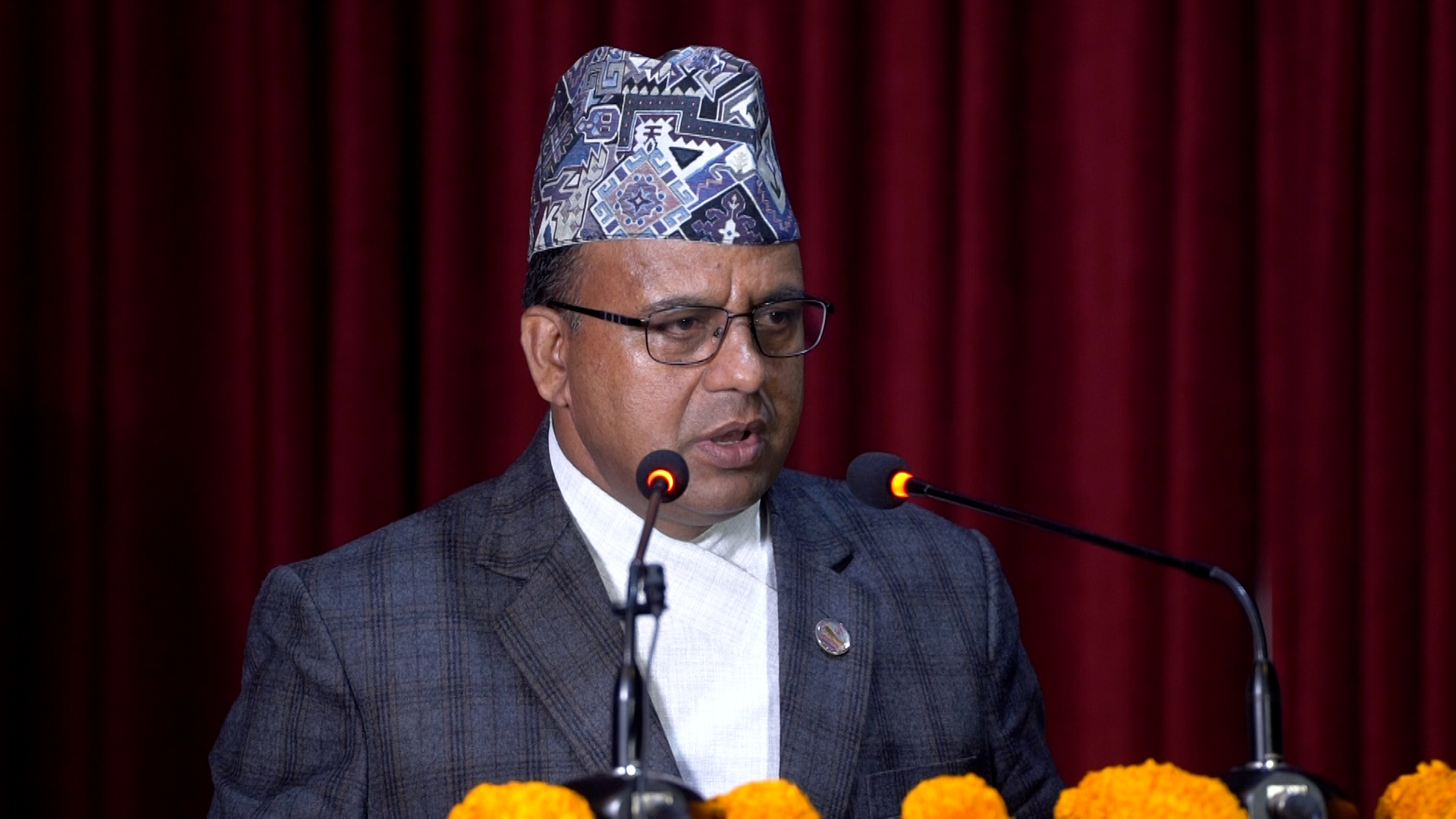
Minister for Culture, Tourism, and Civil Aviation, Badri Prasad Pandey, highlighted the crucial role of collaboration between the government, non-governmental organizations (NGOs), and the private sector in the development and promotion of museums across Nepal. Speaking at the launch of the ‘Museum’ souvenir published by the International Council of Museums (ICOM) Nepal, Minister Pandey stressed that museum development is not only vital for preserving Nepal’s rich cultural heritage but also for promoting tourism in the country.
Museums as a Pillar for Tourism Promotion
During the ceremony, Minister Pandey underscored the significance of museums in enhancing Nepal’s tourism sector. He emphasized that museums serve as educational and cultural hubs, attracting both domestic and international visitors while providing a platform to showcase the nation’s heritage. According to him, the growth and modernization of museums require active participation not only from governmental bodies but also from private organizations and civil society.
“The government alone cannot undertake the promotion and development of museums; active engagement from NGOs and private sectors is essential,” Minister Pandey remarked. He reiterated that a collaborative approach would not only preserve artifacts and cultural assets but also generate opportunities for tourism growth, creating sustainable economic benefits for the country.
Legal Framework for Cultural Heritage Protection
Minister Pandey also referenced the Bill on the Inventory of Intangible Cultural Heritage, presented today in the National Assembly. He expressed confidence that once the bill passes in the House of Representatives and becomes law, it will significantly contribute to the protection and conservation of Nepal’s intangible cultural assets.
The Minister further elaborated on the ministry’s ongoing efforts to draft a comprehensive cultural policy. “We are preparing to pass the culture policy in the Cabinet very soon. Once the policy is enacted, the corresponding laws will be developed, and they will be implemented with necessary revisions over time,” he stated. This framework, according to Minister Pandey, will provide legal safeguards and structured guidance for conserving both tangible and intangible heritage in Nepal.
Progress on Intangible Cultural Heritage Listing
Minister Pandey shared insights into the current status of intangible cultural heritage documentation in Nepal. According to the notice issued by the Ministry, proposals for the listing of 105 intangible cultural assets were invited from various sources. However, only one proposal fulfilled all the necessary documentation and verification requirements, resulting in its official inclusion in the intangible heritage list.
This announcement highlights the importance of meticulous documentation and adherence to verification protocols in safeguarding cultural assets. Minister Pandey emphasized that proper listing and certification not only recognize the value of these assets but also protect them from neglect and deterioration over time.
Policy and Legal Measures Underway
The Ministry of Culture, Tourism, and Civil Aviation has been actively working to establish a clear policy and legislative framework to ensure the sustainable preservation of cultural heritage. Once the culture policy is formally approved by the Cabinet, it will guide the drafting and implementation of related laws. These laws will be periodically reviewed and amended as necessary to address emerging needs and challenges in heritage conservation.
Minister Pandey noted that these measures would create a structured and systematic approach to museum development and cultural preservation. By integrating policy, legal frameworks, and private sector participation, Nepal can strengthen its position as a hub of cultural tourism in South Asia.
Future of Museum Development in Nepal
The minister concluded by emphasizing the long-term vision for Nepal’s museums and heritage sites. With active engagement from NGOs, private enterprises, and local communities, museums will serve as living centers of cultural education, heritage preservation, and tourism promotion.
The ‘Museum’ souvenir launched by ICOM Nepal symbolizes a broader initiative to raise awareness and foster appreciation for Nepal’s diverse cultural heritage. Minister Pandey’s remarks highlighted the importance of combining legal protections, policy interventions, and collaborative management to ensure that museums continue to inspire and educate future generations while supporting Nepal’s growing tourism industry.