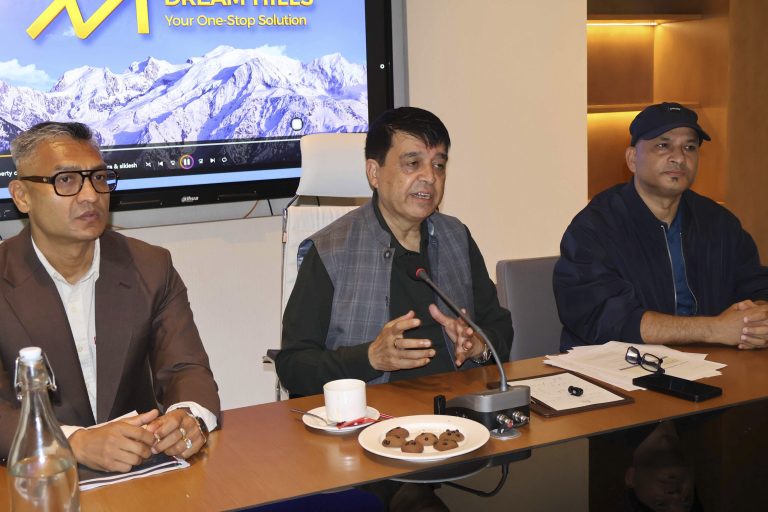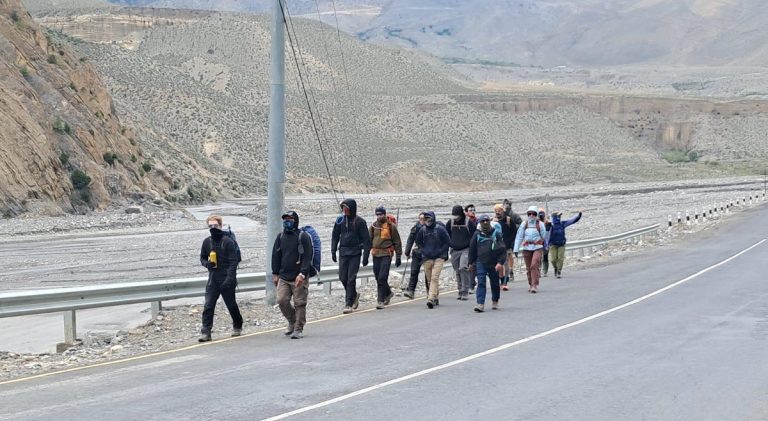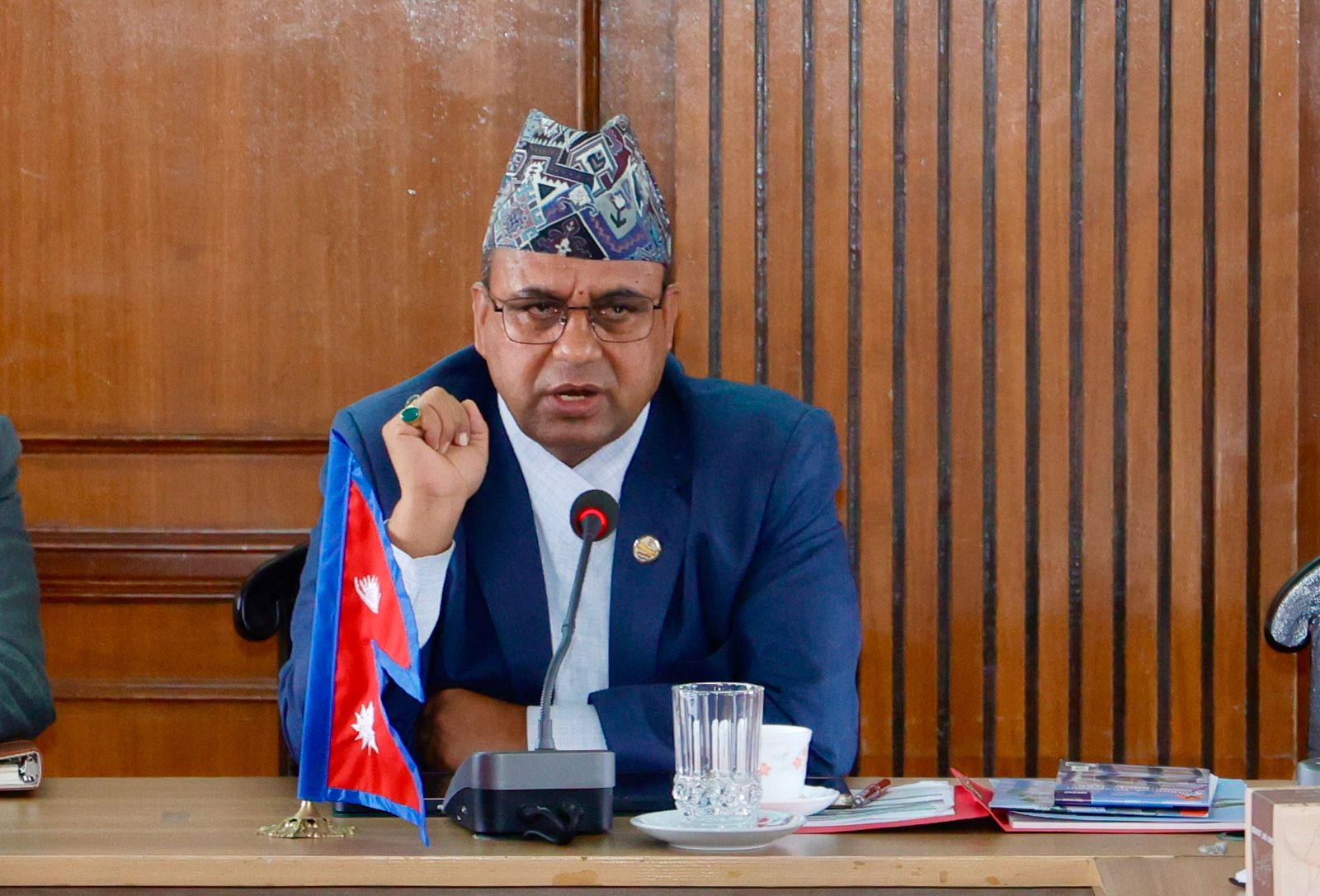
Minister for Culture, Tourism and Civil Aviation, Badri Pandey, has emphasized that policy reforms, regulations, and facilitation in mountaineering require the collective input of stakeholders. Speaking at an interaction and preparatory discussion program on mountaineering held on Thursday, Minister Pandey underlined the importance of documenting the history of mountaineering in Nepal and addressing both internal and external challenges through integrated suggestions.
Need for Policy Reforms in Mountaineering
Minister Pandey highlighted that Nepal’s reputation as the land of the Himalayas demands robust policies that not only regulate the sector but also facilitate responsible and sustainable mountaineering. He noted that stakeholder participation in policy development is indispensable, as it ensures the voices of climbers, tourism entrepreneurs, local communities, and international partners are considered.
According to him, Nepal must prepare policies that are not limited to restrictions and prohibitions but instead create opportunities for innovation, safety, and balanced development. “For any sector to move forward, it is necessary to draft laws on the basis of sound principles and policy foundations,” Pandey said, adding that Nepal must learn from past regulatory practices and adapt them to the changing context.
Preserving the Himalayas Amid Climate Change
Acknowledging the grave threats posed by climate change, Minister Pandey stated that protecting the Himalayas is a shared duty. “Nepal is known to the world because of its mountains, so safeguarding them is our responsibility,” he remarked. He stressed the need for international cooperation to mitigate the risks of global warming, glacial melting, and shifting climbing routes that are endangering not only mountaineering but also the livelihoods of local communities dependent on tourism.
He also praised the role of tourism police, mountaineering associations, and the conduct of foreign guests in shaping Nepal’s image globally. Their combined efforts, he said, have contributed significantly to building Nepal’s reputation as a safe and welcoming destination for adventurers and trekkers.
Addressing Negative Perceptions of Casinos
In addition to mountaineering, Minister Pandey touched upon the broader tourism sector, particularly the perception of casinos in Nepal. He argued that society must evaluate casinos based on factual evidence rather than preconceived notions. “We must separate the good from the bad, and remove distortions and irregularities,” he said.
Expressing concern over unhealthy competition and individual interests tarnishing the country’s image, Pandey emphasized the need for balanced regulation. He cited past decisions to declare restricted areas without proper consultation as examples of how poorly designed policies continue to affect Nepal’s tourism industry. Such lessons, he argued, should guide the nation in crafting more thoughtful and evidence-based frameworks moving forward.
Royalty Exemption for Karnali and Far-Western Mountains
During the program, Director General of the Department of Tourism, Dr. Narayan Regmi, announced that the government has exempted royalties for 97 mountains located in Karnali and Sudurpaschim provinces. He stated that this decision will not only promote the relatively unexplored peaks in these regions but also open doors to tourism-driven economic opportunities for local communities.
“The government’s move aims to publicize the mountains of Karnali and Far-West while creating sustainable income sources for the people of these areas,” Regmi explained. He stressed that only through collaboration among government, private sector, and local communities can Nepal achieve its goals of both mountaineering development and Himalayan conservation.
Book Launch on Mountaineering Facts and Figures
As part of the event, a book titled Facts and Figures on Mountaineering was officially launched. The publication aims to provide updated data and research on Nepal’s mountaineering sector, offering valuable insights for policymakers, researchers, and tourism stakeholders. The book’s release was hailed as a timely contribution, especially as Nepal seeks to refine its policies and strengthen its global standing as the hub of mountaineering.
Call for Collective Action and Integrated Solutions
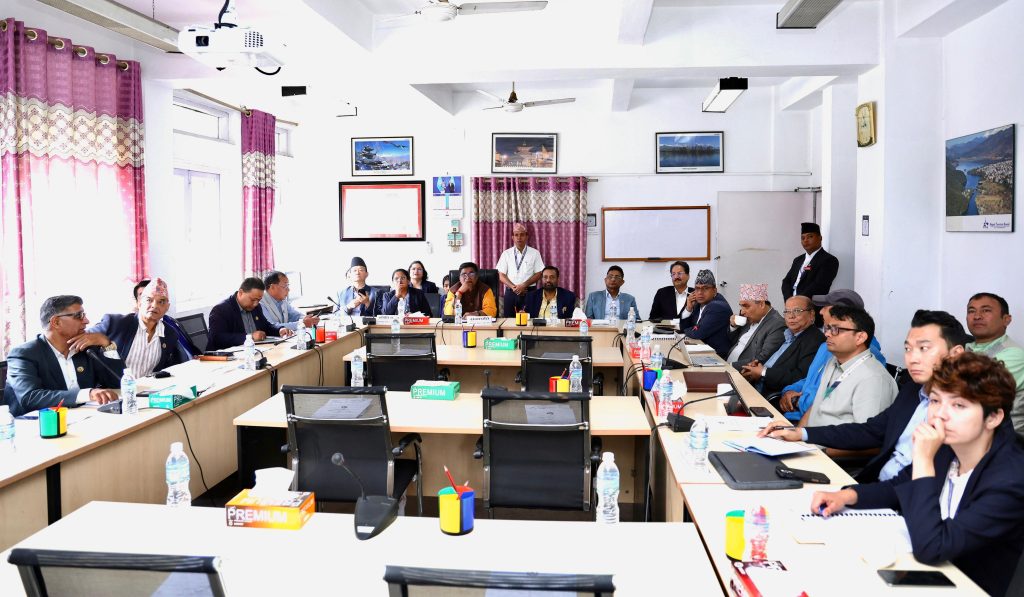
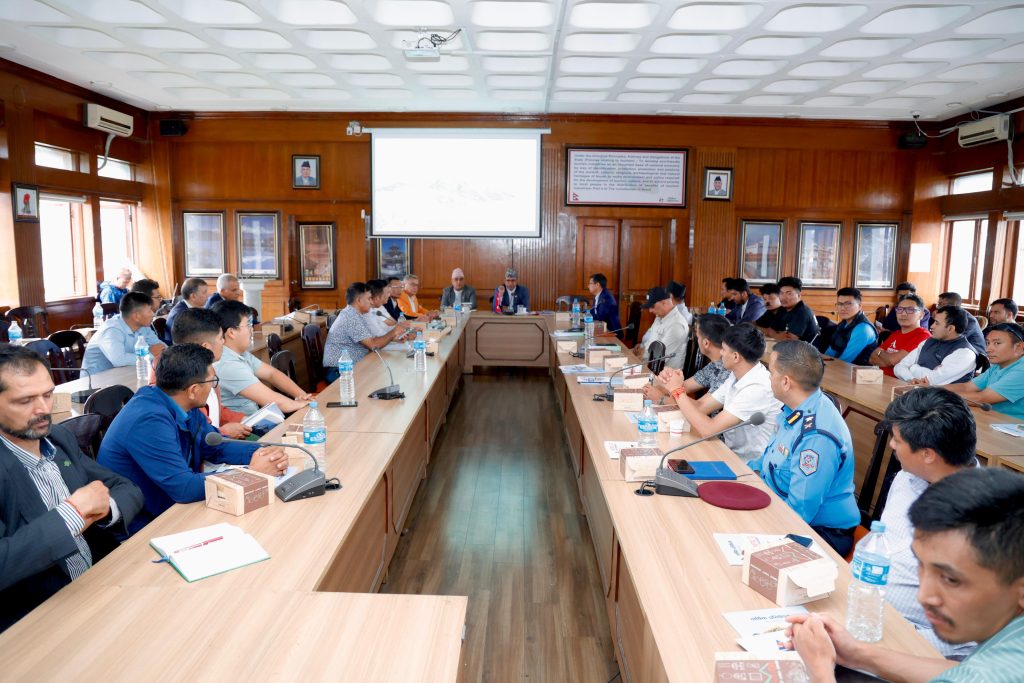
The interaction program served as a platform where stakeholders from various sectors exchanged views on the challenges and prospects of mountaineering in Nepal. Minister Pandey reiterated his commitment to advancing policy reforms based on collective wisdom and expert consultation. He assured that the government will continue to engage with mountaineering organizations, local authorities, and international partners to safeguard Nepal’s unique natural heritage while promoting responsible adventure tourism.
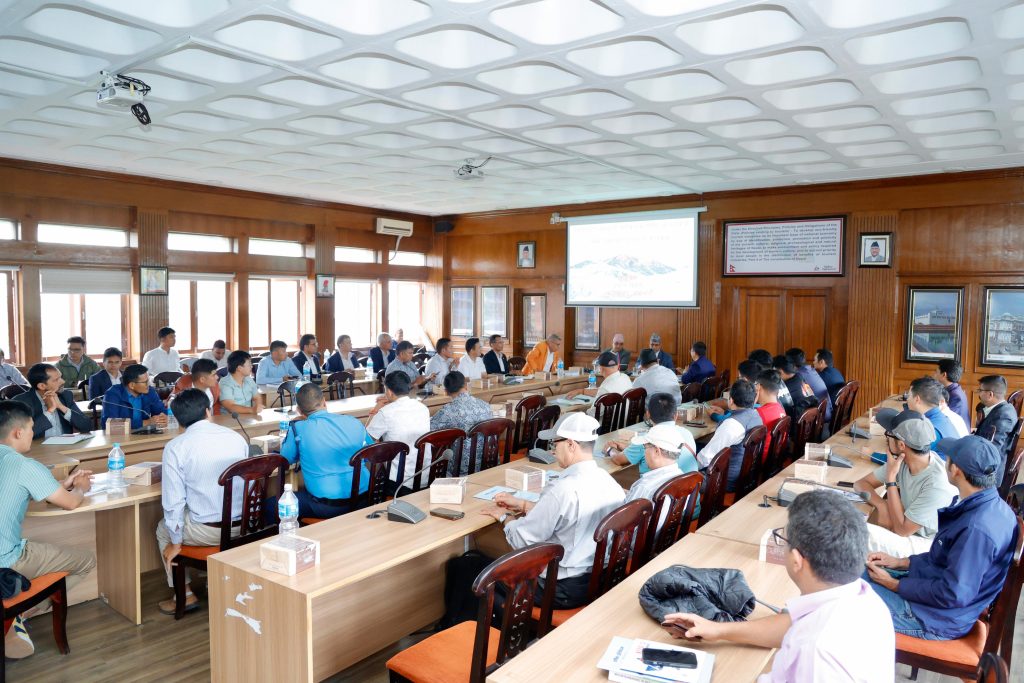
He further stressed that mountaineering cannot be seen in isolation from broader tourism issues such as infrastructure development, safety standards, and community participation. Integrated policies, he said, are the key to addressing cross-cutting challenges and ensuring long-term sustainability.
Minister Badri Pandey’s remarks highlight a growing recognition that Nepal’s mountaineering sector requires thoughtful reforms, robust regulation, and inclusive collaboration. From tackling the impacts of climate change to correcting negative perceptions of tourism activities like casinos, his address underscored the need for a balanced approach.
With the royalty exemption for mountains in Karnali and Sudurpaschim and the launch of a comprehensive data book on mountaineering, the government signaled its readiness to both promote and protect Nepal’s Himalayan treasures. As discussions continue, stakeholders remain hopeful that Nepal will strengthen its role as a global leader in mountaineering while safeguarding the very mountains that define its identity.