The low-pressure trough of the monsoon is currently positioned to the south of its average location, according to the Meteorological Forecasting Division (MFD). This shift is expected to influence the country’s weather patterns, with widespread cloud cover and significant rainfall activity forecast for various regions over the coming days.
Cloudy Skies Across the Nation
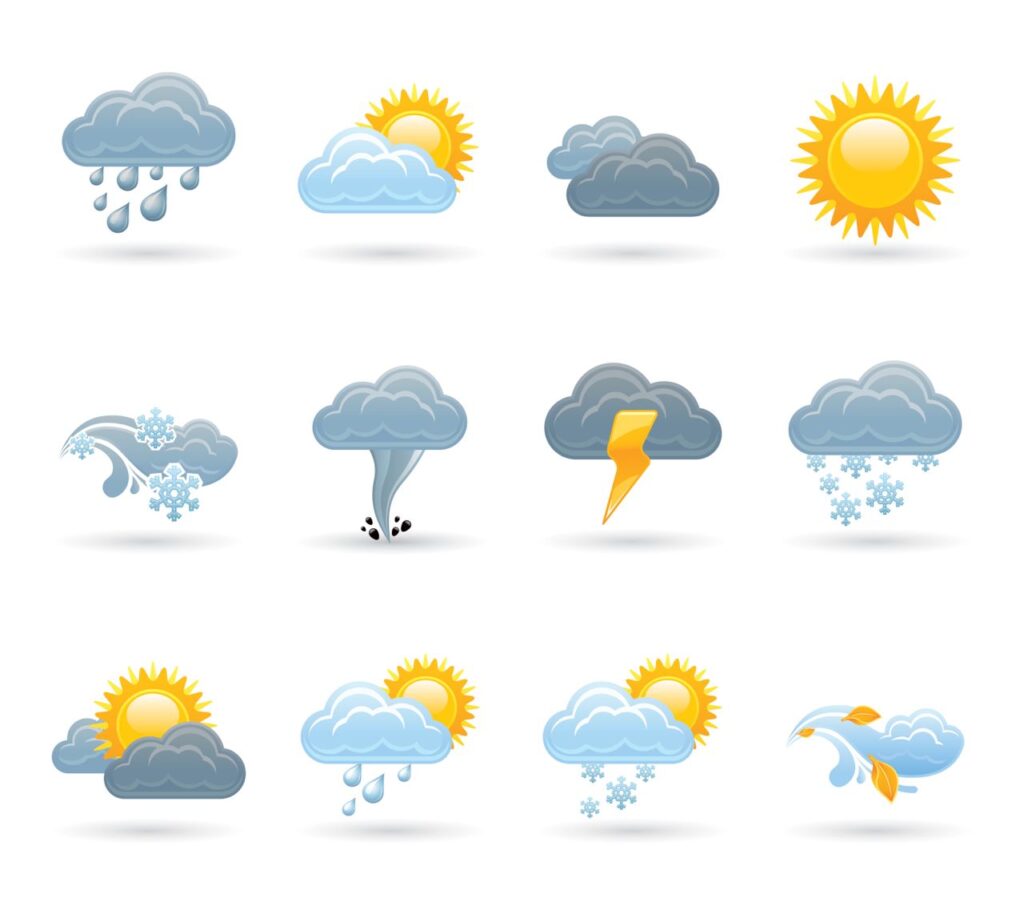
The MFD reported that the overall weather across Nepal will remain mostly cloudy, with increased moisture flow contributing to reduced sunshine and higher humidity levels. This persistent cloudiness will not only limit visibility in some areas but also keep daytime temperatures relatively moderate, while nighttime temperatures may feel cooler due to reduced solar heating.

Rainfall Forecast for Lumbini and Sudurpaschim
Moderate rainfall is likely to occur in some hilly areas of Lumbini and Sudurpaschim provinces, as well as in certain parts of the Terai region. The division highlighted that these rains may be accompanied by occasional gusty winds in localized pockets. The downpours are expected to provide much-needed moisture to agricultural lands but could also cause short-term waterlogging in low-lying areas.
Farmers in these regions have been advised to take advantage of the rainfall for crop irrigation but to remain cautious about soil erosion in sloped terrains. Transport operators are also urged to prepare for potential disruptions in road conditions due to wet surfaces and reduced visibility.
Nighttime Rain in Multiple Provinces
Tonight, the weather will remain generally cloudy nationwide. The MFD predicts moderate rain in some parts of Koshi, Bagmati, Gandaki, and Sudurpaschim provinces. In addition, a few hilly areas of Koshi, Bagmati, and Gandaki are likely to experience heavy rainfall.
This pattern of nighttime rain could intensify in certain valleys and mountainous zones, raising concerns for residents living near rivers and steep slopes. Authorities have suggested that travelers and locals avoid unnecessary movement in high-risk zones during heavy showers, especially after sunset when visibility is low.
Risk of Landslides and Debris Flow
The Meteorological Forecasting Division has issued a cautionary statement regarding the risk of landslides and debris flows in several hilly and mountainous areas. Continuous rainfall can loosen soil and rock, leading to sudden slope failures, particularly in regions already saturated from previous rains.
Residents living along riverbanks and near unstable slopes have been urged to remain alert and to stay updated with local disaster management announcements. The division also warned that debris flow events could temporarily block roads, disrupt transportation, and isolate certain rural communities.
Safety Measures and Preparedness Urged
Given the potential hazards, the MFD has called upon local administrations, disaster response units, and the general public to adopt safety measures and maintain a state of preparedness. These include keeping essential emergency supplies ready, ensuring proper drainage around homes, avoiding unnecessary travel in landslide-prone areas, and monitoring weather updates regularly.
The division also emphasized the importance of community-level coordination. In rural regions, local ward offices and community leaders have been requested to disseminate warnings quickly to residents and to identify safe shelters in case of sudden evacuations. Schools and public institutions in high-risk areas may also be advised to close temporarily if the rainfall intensifies.
Outlook and Monsoon Impact
While the monsoon season continues to bring critical water resources for agriculture and hydroelectricity generation, it also carries seasonal hazards that require proactive management. The southward shift of the monsoon trough typically enhances rainfall in the plains while affecting the distribution of precipitation in hill and mountain zones.
Meteorologists expect that this weather pattern may persist for a few more days before gradually adjusting toward its average position. During this time, there will likely be fluctuations in rainfall intensity, with intermittent heavy downpours in localized areas.
The MFD has reassured the public that it will continue to provide timely updates and forecasts to help communities prepare for changing weather conditions. Meanwhile, citizens are encouraged to follow official channels for the latest information and to cooperate with local authorities in minimizing risks associated with heavy rainfall and monsoon-related disasters.