The monsoon season continues to show its widespread effects across Nepal, with the Meteorological Forecasting Division (MFD) reporting the ongoing influence of monsoon winds throughout the country. According to the Division, the low-pressure line of the monsoon currently lies slightly north of its average position, a shift that is contributing to enhanced rainfall activities in several regions.
Cloudy Skies and Widespread Rainfall Forecast for Today
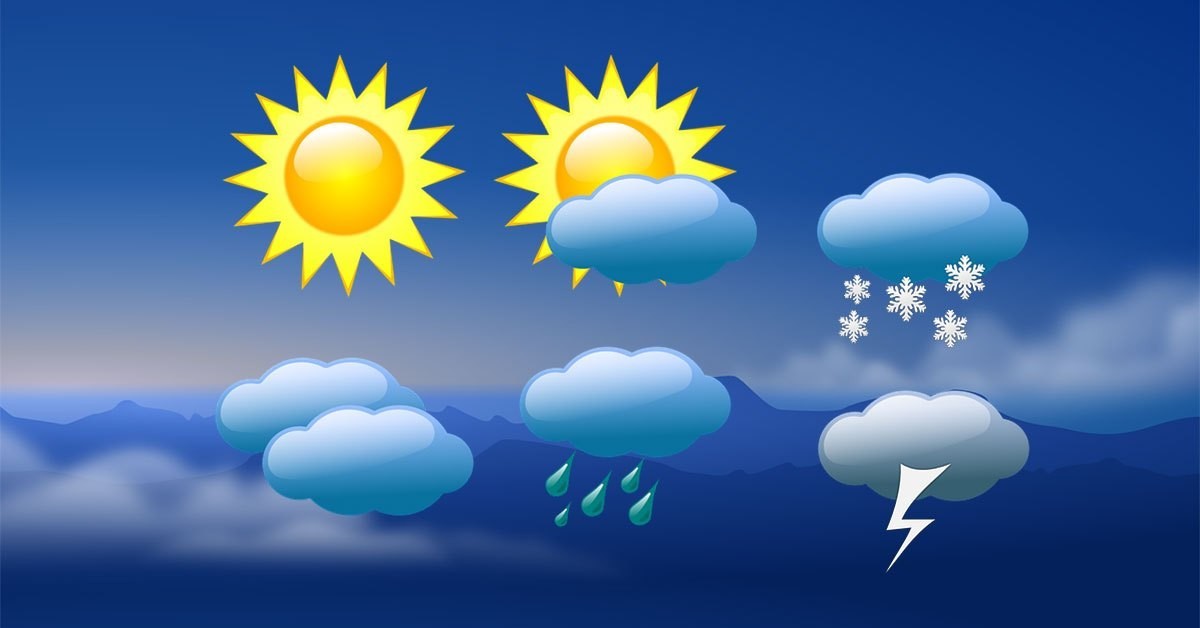
Today, the weather is expected to remain mostly cloudy across all provinces. The MFD has predicted that some places in Koshi Province and Madhesh Province may experience moderate rainfall during the day. Meanwhile, the rest of the country is likely to witness more intense precipitation. In particular, many places in Bagmati, Gandaki, Lumbini, Karnali, and Sudurpaschim provinces may experience moderate to heavy rainfall.
The Division has further stated that heavy to very heavy rainfall is likely to occur at a few locations in Lumbini Province and Sudurpaschim Province. Additionally, isolated places in Bagmati and Gandaki Provinces may also see intense showers. This pattern is in line with the usual monsoon behavior, where western and far-western regions often receive heavier rainfall due to topographical and atmospheric dynamics.
With monsoon clouds hovering over the nation, residents in flood-prone and landslide-prone areas are advised to stay alert, especially in districts within Lumbini and Sudurpaschim, which are expected to bear the brunt of the heavier rainfall.
Evening and Night Outlook: Persistent Cloudiness with Heavy Rain in Western Regions
The weather tonight is expected to mirror today’s conditions, with overcast skies and widespread rainfall. According to the Division’s forecast, moderate rainfall is likely to occur in many areas of Lumbini, Karnali, and Sudurpaschim provinces. Other provinces including Koshi, Madhesh, Bagmati, and Gandaki will see rainfall at several places, although the intensity is expected to be slightly lower in comparison.
Notably, Lumbini and Sudurpaschim provinces continue to be at high risk for heavy to very heavy rainfall during the night hours as well. The MFD warns that these areas could see intense showers that may lead to localized flooding or waterlogging, particularly in urban lowlands or river-adjacent settlements.

Given these projections, the Division has urged local authorities and disaster preparedness teams to remain vigilant, especially in regions historically vulnerable to monsoon-induced disasters. The public has also been advised to keep track of updates from the MFD and to take necessary precautions, such as avoiding unnecessary travel during periods of intense rainfall and staying away from rivers and landslide-prone slopes.
Monsoon Pattern Slightly Northward: A Technical Insight
The meteorological detail that the monsoon low-pressure line is situated slightly north of its usual position might seem minor, but it carries significant implications for rainfall distribution. When the monsoon trough shifts northward, it often enhances the rainfall in central and western Nepal while slightly reducing rainfall intensity in the eastern Terai and Himalayan belt. This atmospheric shift explains why the western parts of the country are receiving more significant downpours, while areas like Koshi and Madhesh are experiencing only moderate showers.
Such patterns are not uncommon, especially during the peak of the monsoon season in August. However, prolonged heavy rain due to a northward monsoon trough can increase the risk of flooding and landslides in hilly and mountainous regions.
Authorities and Citizens Urged to Remain Cautious
In light of the current weather conditions and forecast, the Meteorological Forecasting Division has reiterated its appeal to local governments, emergency responders, and the general public to stay prepared. Continuous monitoring of weather updates, proper drainage system management in urban areas, and readiness for possible evacuation in vulnerable zones are key actions recommended at this time.
With schools, transport services, and agriculture often affected by erratic monsoon behavior, residents across the country are also encouraged to adjust plans accordingly and stay connected to local information channels.
In recent years, Nepal has witnessed an increasing frequency of extreme weather events during the monsoon, including sudden cloudbursts, glacial lake outburst floods, and severe landslides. As such, even short-term forecasts like the current one carry significant weight and should not be taken lightly.
As the monsoon season continues to unfold, regular updates from the MFD will be crucial for tracking the development of rain systems and taking timely actions to minimize damage and protect lives.