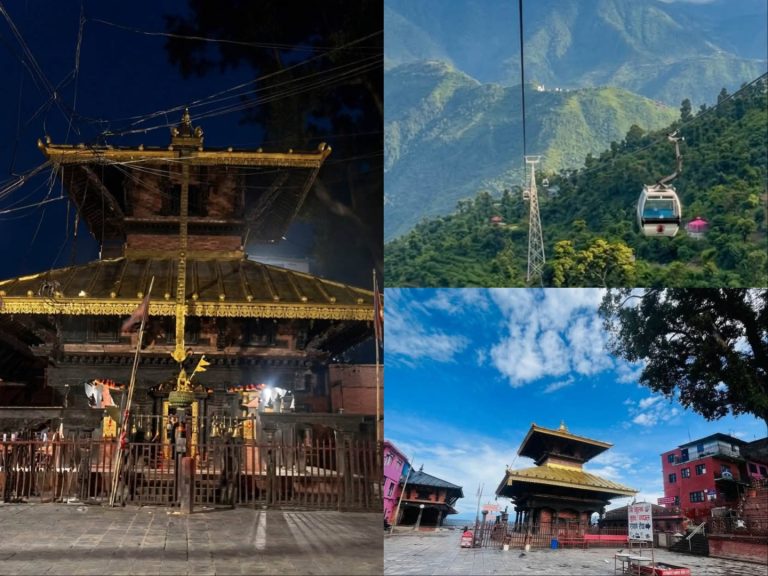
Muktinath, a revered pilgrimage site and enchanting tourist destination nestled in the Mustang region of Nepal, draws thousands of visitors annually seeking spiritual solace and adventure. This sacred shrine, located at an altitude of 3,710 meters in the Himalayas, is renowned for its unique blend of spiritual significance and breathtaking natural beauty. Here’s a comprehensive look at Muktinath, its significance, and its appeal to travelers.
Spiritual Significance:
Muktinath holds immense importance in Hinduism and Buddhism. For Hindus, it is one of the 108 Divya Desams, revered as a sacred place where Lord Vishnu manifested in the form of a flaming deity. The site is considered the ultimate destination for salvation and liberation from the cycle of rebirth. According to legend, the sacred flame that burns at Muktinath is a representation of Lord Vishnu’s eternal presence.
For Buddhists, Muktinath is equally significant, being one of the 24 sacred places of the Nyingma school of Tibetan Buddhism. It is believed that the great Buddhist master Padmasambhava, also known as Guru Rinpoche, meditated here, and the area is often visited by Tibetan Buddhists seeking blessings and spiritual growth.
Muktinath Temple:
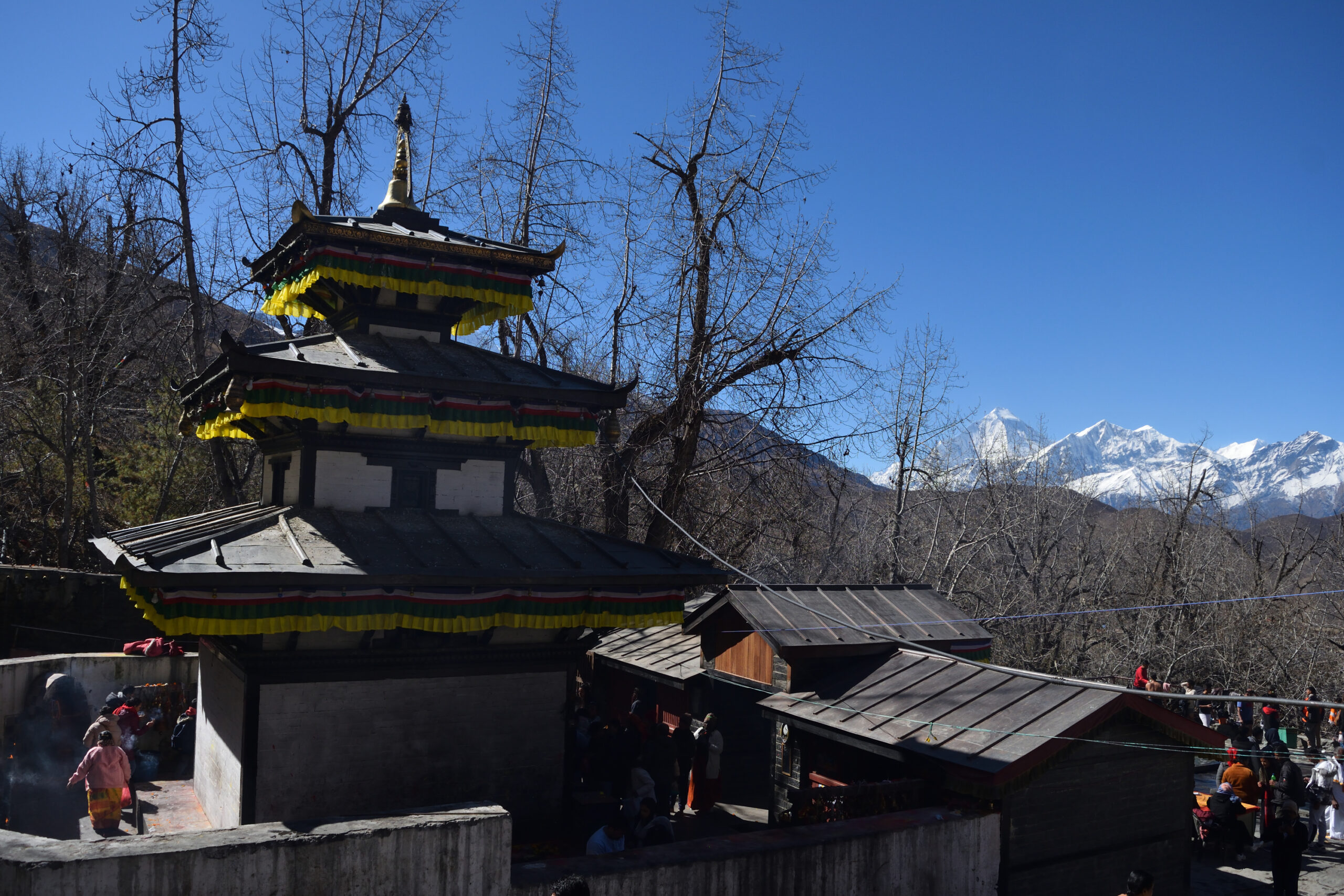
The central attraction of Muktinath is the temple dedicated to Lord Vishnu. The temple’s architecture, characterized by its pagoda-like structure and traditional Nepali design, stands out against the backdrop of the Himalayas. Pilgrims and tourists alike visit the temple to pay homage and perform rituals. The temple precincts include 108 water spouts, where devotees perform ritual ablutions, symbolizing the purification of the soul.
The Eternal Flame:
One of the unique features of Muktinath is the eternal flame that burns continuously in the temple premises. This flame, fueled by natural gas seeping from the ground, represents the divine presence and is a focal point for worshippers. The sight of the flame amidst the sacred water spouts creates a powerful spiritual experience.
Located near the main Muktinath Temple, the Jwala Mai Temple is dedicated to the goddess of the flame. It is believed to be the source of the eternal flame and is a significant site for pilgrims seeking blessings from the goddess.
Muktinath is surrounded by stunning landscapes, including the arid yet mesmerizing terrain of Mustang and the snow-capped peaks of the Himalayas. The region’s stark contrast to the lush greenery of other parts of Nepal adds to its allure. Trekking through the high-altitude desert, with panoramic views of the Annapurna and Dhaulagiri ranges, offers an unforgettable experience for adventure enthusiasts.
The local community of Muktinath, predominantly composed of Thakali and Tibetan people, adds a rich cultural dimension to the visit. Tourists have the opportunity to experience traditional Thakali hospitality, sample local cuisine, and engage in cultural festivals that celebrate both Hindu and Buddhist traditions.
Muktinath can be accessed via a trek or a flight from Pokhara to Jomsom, followed by a short trek or jeep ride to the temple. The journey to Muktinath is a part of the adventure, with trekkers traversing through the rugged terrain and high-altitude paths. The accessibility has improved in recent years, with better infrastructure and transportation options making the pilgrimage more feasible for travelers.
Muktinath stands as a testament to Nepal’s rich spiritual heritage and natural beauty. It offers a unique blend of religious significance and scenic splendor, making it a must-visit destination for both spiritual seekers and adventure enthusiasts. Whether it’s the sacred rituals, the eternal flame, or the breathtaking landscapes, Muktinath provides a profound experience that resonates long after the visit. As Nepal continues to attract tourists from around the globe, Muktinath remains a shining jewel in its crown, embodying the essence of spirituality and adventure.