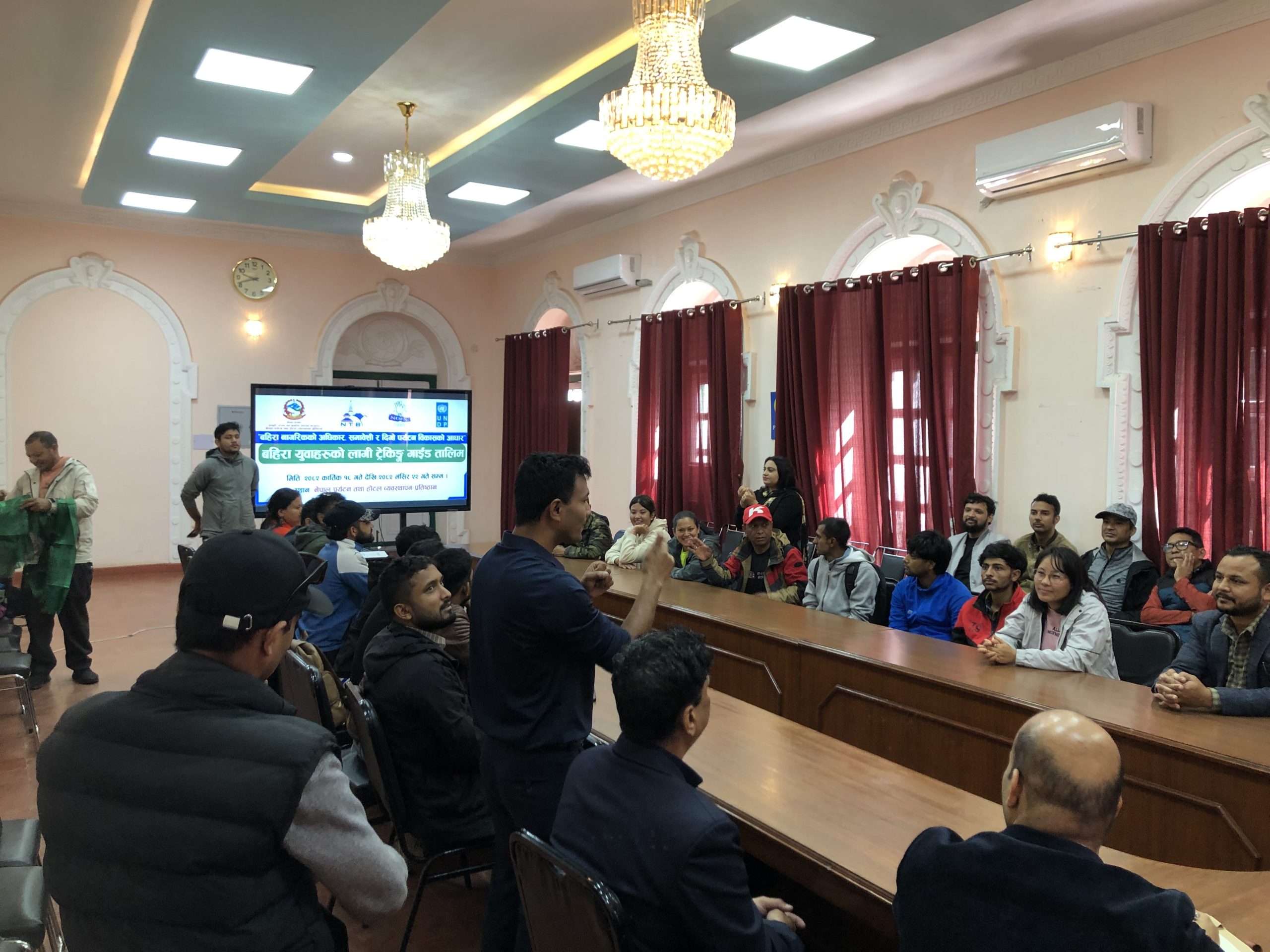
In a pioneering move to make Nepal’s tourism sector inclusive, accessible, and opportunity-driven, the country has launched its first-ever trekking guide training program for deaf individuals. The initiative is jointly conducted by the National Federation of the Deaf Nepal (NDFN) and the Nepal Academy of Tourism and Hotel Management (NATHM), with support from the Sustainable Tourism Project (STP) under the collaboration of the Nepal Tourism Board (NTB) and the United Nations Development Programme (UNDP).
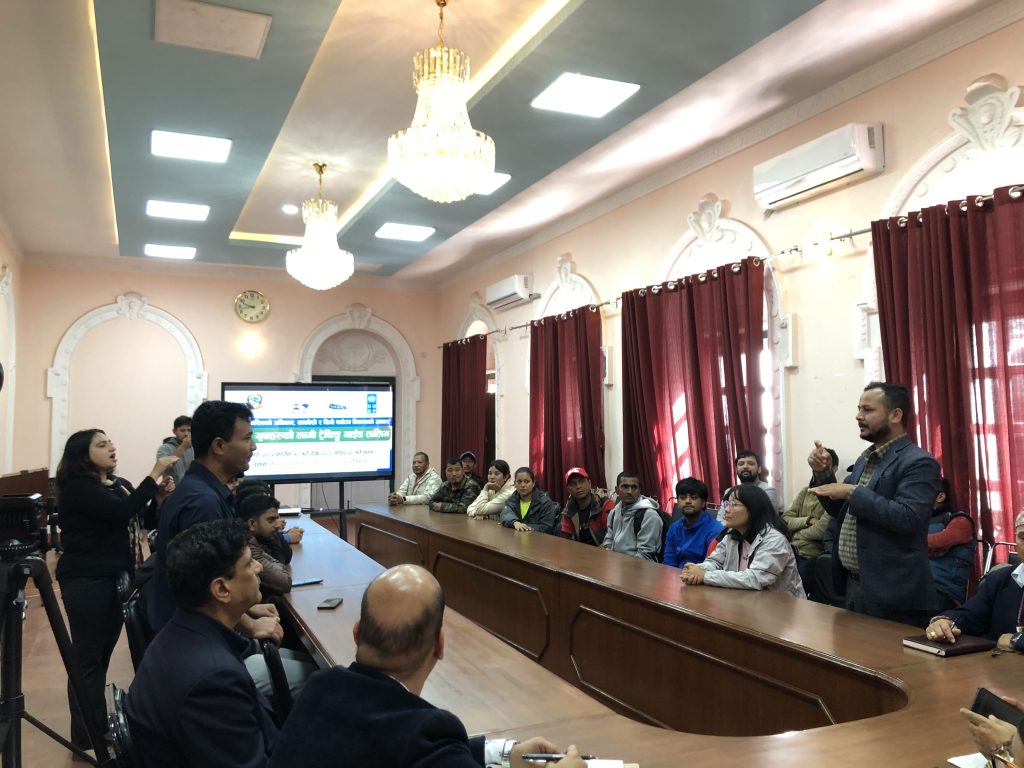
Considered a ‘turning point’ for inclusive tourism development in Nepal, the first phase of this training runs for seven weeks and involves 25 deaf youth from across the country, including 18 males and seven females. The program aims to equip participants with professional trekking guide skills, fostering employment, self-reliance, and the promotion of inclusive tourism.

Comprehensive Training Curriculum
Participants will receive both theoretical and practical training in areas essential for professional trekking guides, including:
- Mountain safety and risk management
- First aid and emergency response
- Trail and route management
- Guest hospitality and cultural interpretation
- Environmental responsibility and wildlife awareness
- Crisis management
- Geographical and cultural diversity of Nepal
The entire program is conducted in Nepalese Sign Language, ensuring that learning is fully accessible and participatory, and empowering deaf participants to gain meaningful employment opportunities.
A Strategic Move Towards Inclusive Tourism
According to Dharma Raj Dawadi, Project Manager of STP, tourism is not merely an economic sector but also a vehicle for social equity and opportunity expansion. “Every citizen should be able to benefit from tourism, which forms a foundation for Nepal’s sustainable development,” Dawadi stated.
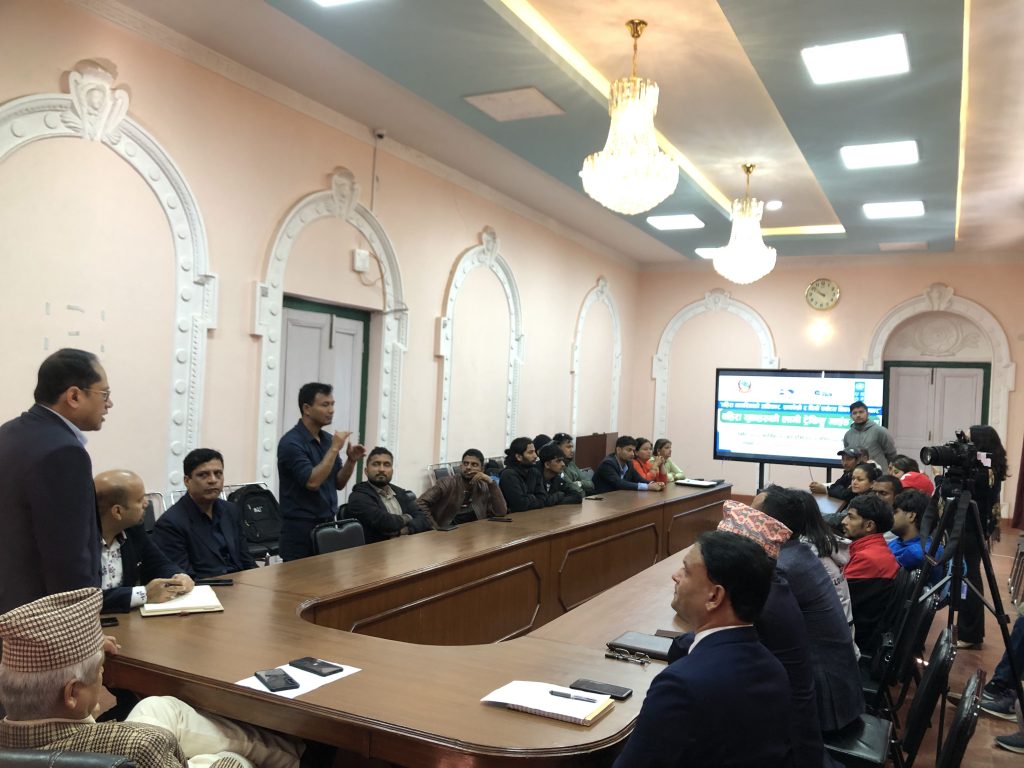
He also highlighted global statistics from the World Health Organization (WHO), noting that over 430 million people worldwide have severe hearing impairments, with more than 70 million using sign language. Initiatives like this represent world-class examples of inclusive tourism, offering employment and participation opportunities to previously underrepresented communities.
Officials Highlight Significance and Future Plans
At the inaugural event, speakers described the program as marking a new era in Nepalese tourism history. They emphasized the need to expand skill development programs for people with visual impairments, physical disabilities, and other special needs, promoting equal access and participation.
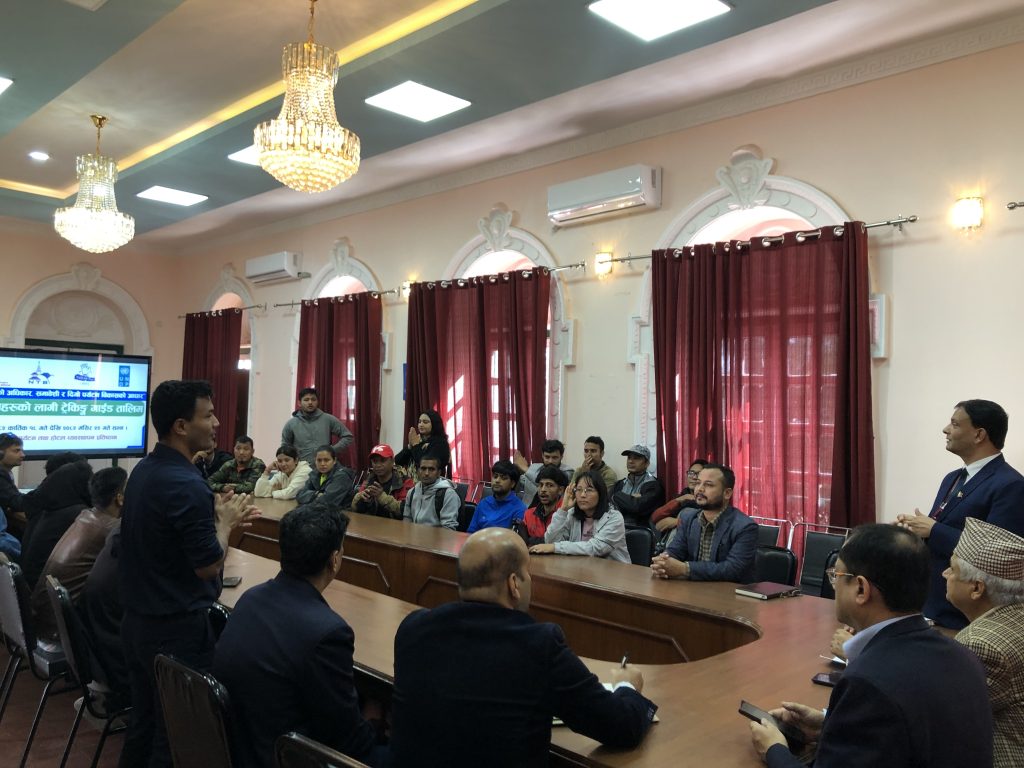
Gyanendra Raj Pandit, Head of Department at NATHM, said the initiative establishes an inclusive approach in tourism education, while Santosh KC, President of NDFN, remarked, “This training opens new possibilities for deaf youth to contribute meaningfully to Nepal’s tourism sector. We plan to scale up such programs nationwide to foster inclusive tourism.”
Ajay Kumar Dhakal, Professor at NATHM, described the training as a model for human-centered and inclusive development, stating, “Nepal has taken a significant step toward ensuring equal access and opportunity in tourism.”

Divyaraj Pokharel, Executive Director of NATHM, expressed confidence in the participants, noting, “This program will transform your confidence into skills and discipline, energizing Nepal’s tourism sector. Graduates will become leading role models, inspiring citizens nationwide to achieve self-reliance.”
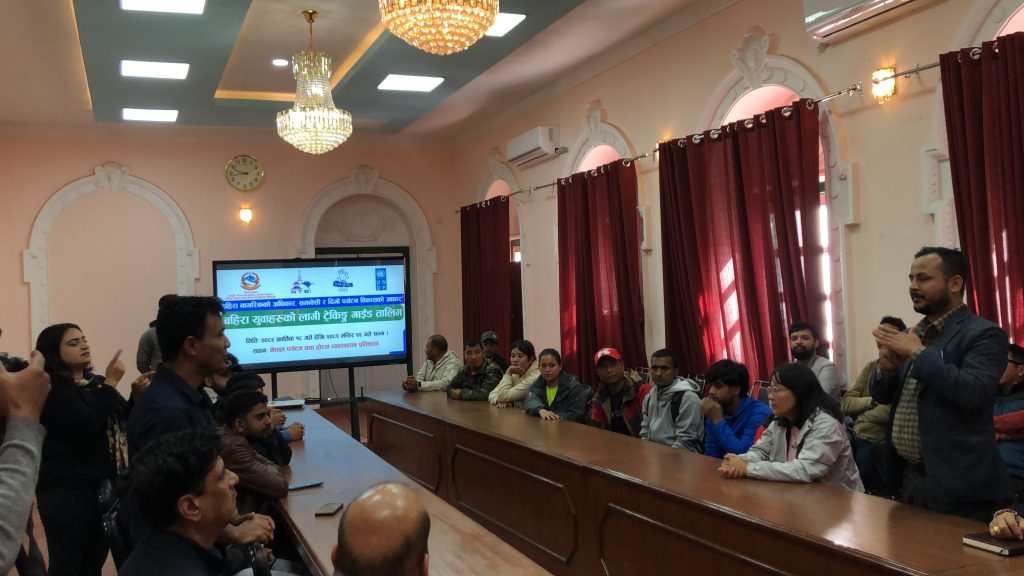
Empowering Deaf Communities Through Tourism
The program is expected not only to professionally integrate deaf youth into Nepal’s major trekking destinations but also to advance tourism with social justice, equality, and a human-centered approach. By opening avenues for marginalized communities, Nepal sets a global example for inclusive tourism development, ensuring that the benefits of tourism are shared equitably among all citizens.