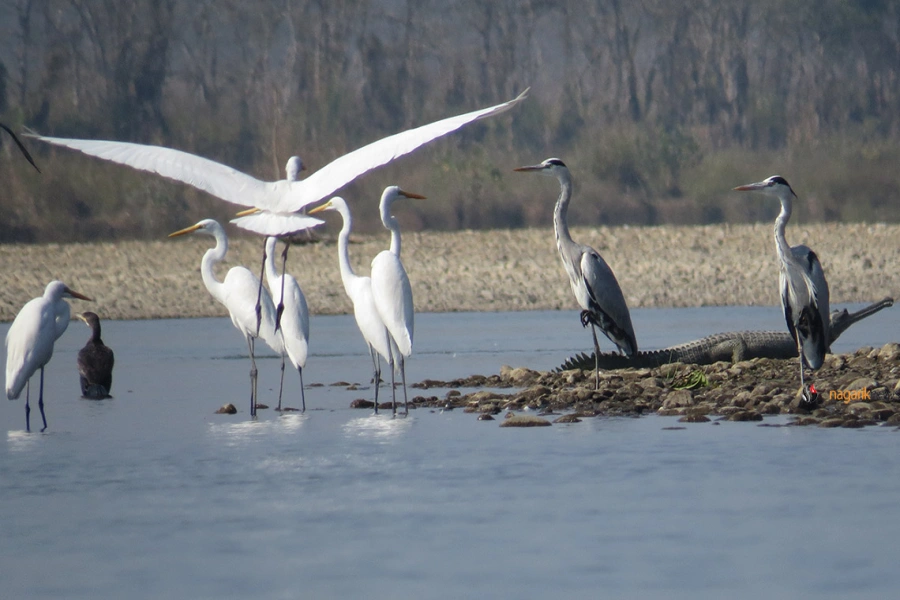
Nepal has witnessed a steady decline in its aquatic bird population in recent years, according to the findings of the latest nationwide water bird census. The report highlights growing concerns among conservationists about the deteriorating condition of wetlands and increasing human pressure on key bird habitats across the country.
Census Records Fewer Birds and Species
The 2026 water bird census recorded a total of 90,688 aquatic birds belonging to 89 species across Nepal. This marks a notable decrease from 96,565 birds of 94 species recorded in 2025. In earlier years, the total number of water birds had consistently exceeded 100,000, underscoring a clear downward trend in both population and species diversity.

The census was conducted over 15 days starting from the first Saturday of January, in line with the annual Asian Waterbird Census schedule. The findings were officially released on February 2, coinciding with World Wetlands Day, to draw attention to the importance of wetland conservation.
Long-Standing Regional Conservation Effort
The Asian-level water bird census began in 1987 in India, in collaboration with Wetlands International, and Nepal has been an active participant since its inception. The initiative aims to monitor the population of migratory and resident water birds during their non-breeding season.
Every winter, Nepal’s wetlands serve as crucial stopover and wintering grounds for migratory birds arriving from extremely cold regions such as Russia, northern China, Mongolia, and Siberia. Some species migrate further south to Rajasthan in India, passing through Pakistan and Afghanistan during their return journey.
Objectives of the Water Bird Census
The primary objectives of the census are to document water bird populations during winter, assess the ecological health of wetlands, raise public awareness about the importance of aquatic birds, and promote community participation in conservation and sustainable wetland management.
Experts emphasize that water birds act as key indicators of wetland health. A decline in their population often signals deeper environmental problems such as habitat degradation, pollution, and reduced food availability.
Nationwide Coverage and Community Participation
This year’s census was led by the Department of National Parks and Wildlife Conservation (DNPWC) and coordinated by the Nepal Ornithologists’ Association (NOA). According to NOA Executive Director Laxman Prasad Paudel, the survey encompassed 18 major wetland areas, as well as several smaller lakes, rivers, and ponds, across the country.
A total of 411 volunteer enumerators participated in the census, including government officials, ornithologists, conservationists, nature enthusiasts, and citizen scientists. Their collective efforts ensured comprehensive coverage of Nepal’s diverse wetland ecosystems.
Key Wetland Areas Surveyed
Major survey locations included Koshi Tappu Wildlife Reserve and its surrounding wetlands, Chitwan National Park, Banke, Bardiya, Shuklaphanta, and Rara National Park. Other important sites included lakes and rivers in Dhanusha, the Kamala River, Hetauda, Kathmandu Valley, Pokhara Valley, the Lumbini area, Bishajari Lake, Ghodaghodi Lake, Rara Lake, and the Jagadishpur Reservoir. These wetlands collectively support a significant portion of Nepal’s aquatic biodiversity and are critical habitats for both migratory and resident bird species.
Human Activities Driving Decline
Conservation experts attribute the decline in aquatic bird populations largely to human-induced pressures. Wetland encroachment has reduced feeding and nesting grounds, while infrastructure development near lakes and rivers has disturbed natural habitats.
The spread of invasive plant species in wetlands, excessive use of chemical fertilizers and pesticides in agriculture, and pollution from urban expansion have further degraded water quality and food sources for birds. As a result, many migratory species are shortening their stay in Nepal or avoiding traditional wintering sites altogether.
According to DNPWC Information Officer Haribhadra Acharya, food availability for aquatic animals has declined significantly due to unchecked encroachment on rivers, ponds, lakes, and wetlands.

A Global Conservation Challenge
Experts note that the decline of aquatic birds is not limited to Nepal but is part of a broader global conservation challenge. Climate change, habitat loss, and unsustainable land use practices are increasingly affecting migratory routes and wetland ecosystems worldwide. Conservationists stress the urgent need for stronger wetland protection policies, sustainable agricultural practices, and increased public awareness to reverse the declining trend.
The latest census serves as a crucial reminder of the fragile state of Nepal’s wetlands and the urgent need for coordinated conservation efforts. Protecting aquatic birds ultimately means safeguarding wetlands that provide essential ecosystem services, including water purification, flood control, and biodiversity conservation. Without timely intervention, experts warn that further declines could threaten Nepal’s rich natural heritage and ecological balance.