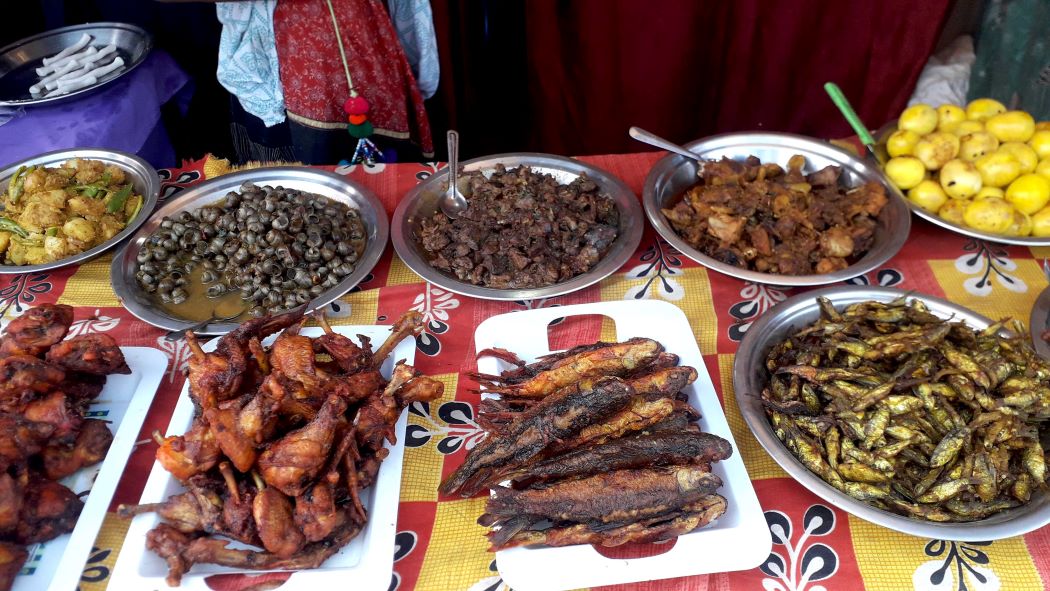
To promote indigenous cuisine and preserve traditional food culture, the first-ever Tharu Food Festival is being organized in Nepalgunj. The three-day festival, beginning April 30, aims to showcase the rich culinary traditions of the Tharu community while creating a platform for cultural exchange and tourism promotion.
The event is being hosted at Soaltee Westend Premier Nepalgunj under the initiative of local tourism and hospitality stakeholders. According to General Manager Raj Bikram Shah, the festival is designed not only as a gastronomic experience but also as a cultural celebration that reflects the identity and heritage of the Tharu people.
“This is the first time such a dedicated event is being organized in Nepalgunj to promote Tharu food. We want visitors to experience authentic flavors prepared by experienced cooks who understand the originality of these dishes,” Shah said.

Preserving Indigenous Cuisine and Culture
The festival carries a broader objective of preserving and promoting indigenous cuisines that have been passed down through generations. Tharu food, known for its unique preparation methods and use of locally sourced ingredients, represents a vital part of Nepal’s diverse culinary landscape.
Organizers believe that events like this can play a crucial role in safeguarding traditional knowledge that is at risk of fading amid modernization and changing food habits. By bringing these dishes into the spotlight, the festival seeks to encourage younger generations to appreciate and continue these culinary practices.
“Visitors will not only enjoy the food but also learn about the cultural significance behind each dish,” Shah added, emphasizing that the initiative is expected to introduce the long-preserved food culture of the Tharu community to both national and international audiences.
Unique Food Experience for Visitors
The festival is open to all visitors free of charge, making it accessible to a wide audience. However, those wishing to taste the variety of Tharu delicacies are required to purchase a voucher priced at Rs 500. This allows attendees to sample multiple traditional dishes prepared by skilled chefs.
From early morning until 11:00 pm each day, the venue will remain vibrant with food stalls offering an array of authentic Tharu cuisines. These include traditional items that are rarely found in mainstream restaurants, providing a unique opportunity for visitors to explore new flavors and culinary techniques.
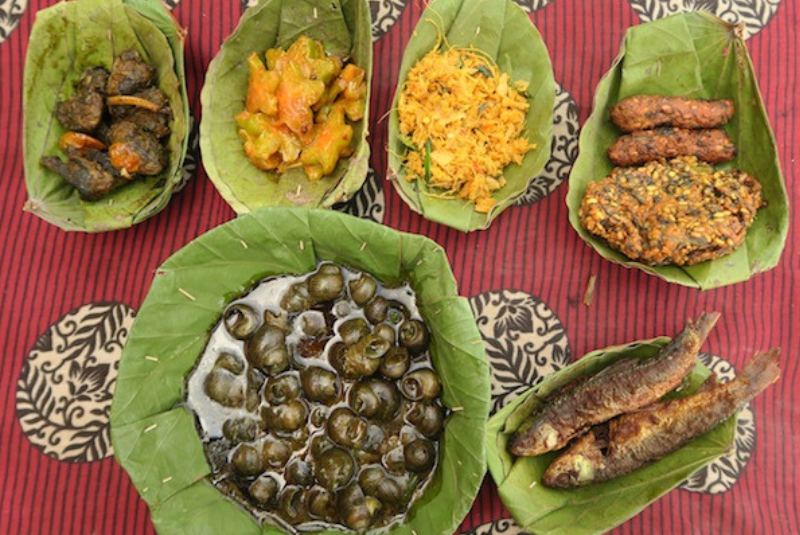
The organizers have ensured that hygiene, quality, and authenticity remain top priorities throughout the event. Special attention has been given to maintaining traditional cooking methods while meeting modern hospitality standards.
Cultural Performances and Living Traditions
Beyond food, the festival also highlights the living culture, arts, and traditions of the Tharu community. Daily cultural performances are scheduled from 9:00 pm to 10:00 pm, featuring traditional music, dance, and artistic expressions that reflect the community’s rich heritage.
These performances are expected to be a major attraction, offering visitors an immersive cultural experience that complements the culinary journey. Traditional attire, folk dances, and indigenous musical instruments will provide deeper insights into the Tharu way of life. Organizers noted that the integration of cultural elements into the festival enhances its appeal, transforming it from a simple food event into a comprehensive cultural showcase.
Boosting Tourism and Local Economy
The festival is also seen as an important step toward boosting tourism in Nepalgunj and the surrounding regions. By promoting indigenous cuisine as a tourism product, stakeholders aim to attract both domestic and international visitors seeking authentic cultural experiences.
Hospitality experts believe that culinary tourism has immense potential in Nepal, given the country’s diverse ethnic communities and rich food traditions. Events like the Tharu Food Festival can help position Nepalgunj as a destination for cultural and gastronomic tourism.

Local businesses, including farmers, artisans, and performers, are expected to benefit from the increased footfall and economic activity generated by the festival. The initiative also creates opportunities for collaboration between the tourism and cultural sectors.
A Platform for Cultural Recognition
As Nepal continues to promote inclusive tourism, the festival serves as a platform for recognizing and celebrating the contributions of indigenous communities. The Tharu community, known for its deep-rooted traditions and sustainable lifestyle, gains greater visibility through such events.
Organizers expressed hope that the success of this inaugural festival will encourage similar initiatives across the country, helping preserve Nepal’s diverse cultural heritage while creating new economic opportunities. With its blend of authentic cuisine, cultural performances, and community engagement, the Tharu Food Festival in Nepalgunj marks an important milestone in promoting indigenous identity through tourism.