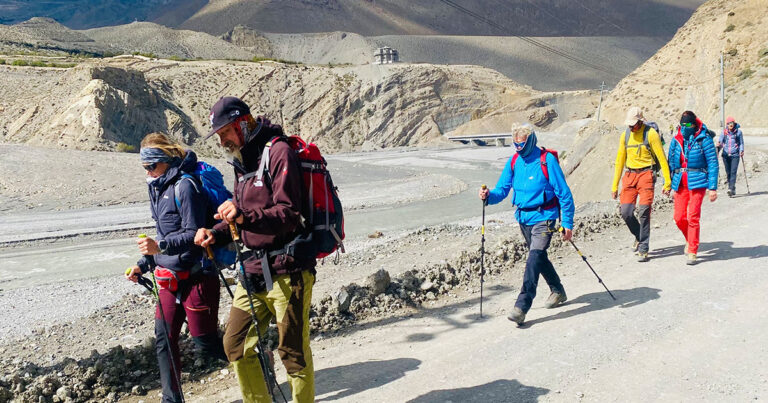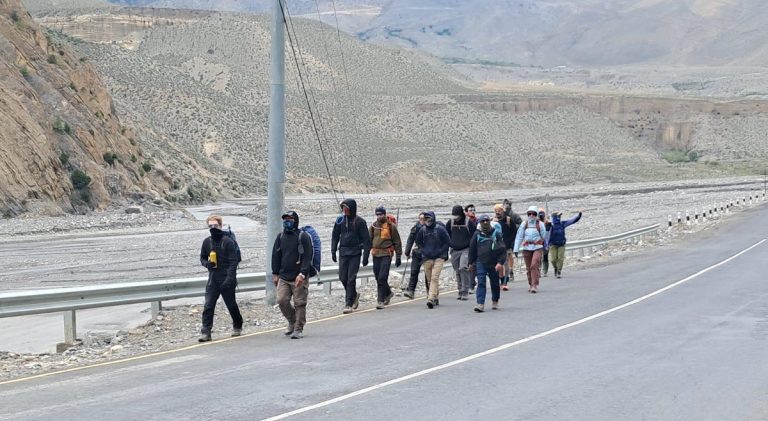
A newly established alternative trekking route connecting Myagdi, Kaski, and Parbat districts has officially come into operation, offering a scenic and peaceful option for trekkers seeking a trail untouched by road disturbances. The route, which falls within the popular Annapurna Circuit region, has seen growing footfall as trekkers increasingly shift away from the older Bhurung–Tatopani–Ghorepani–Ulleri–Birethanti–Nayapul trail, much of which has been disrupted due to road expansion.
Route Covers Major Tourism Destinations Across Three Districts
The new trail links several prominent tourism hotspots across the Annapurna region. It connects Ulleri in Kaski, Mohare Danda, Poonhill, Swayaat, Khopra, Khayare Barahi Lake, Bayali, Mulde Viewpoint, Ghandruk, Landruk, and finally Dhampus, covering key destinations across Myagdi, Kaski, and Parbat districts.

Trekkers say the route can be completed in 10 to 15 days, offering immersive experiences in high hills and Himalayan landscapes. The trail features spectacular views of the Annapurna and Dhaulagiri ranges, stunning sunrises, dense forests, diverse birdlife, yak and sheep herding pastures, and opportunities to spot wildlife.
“This trekking route is all about rural lifestyle, tranquility, and pure mountain solitude,” said trekking guide Dinesh Kumar Ghimire. “Since it avoids motor roads, trekkers get to enjoy an authentic walking experience and reconnect with nature, which is why it has become so popular.”
Old Trails Disappearing Due to Road Expansion
Ghimire noted that the rapid expansion of roads in rural regions has caused many traditional trekking routes to disappear or lose their charm. Due to this, tourists are increasingly searching for trails that guarantee uninterrupted walking experiences.
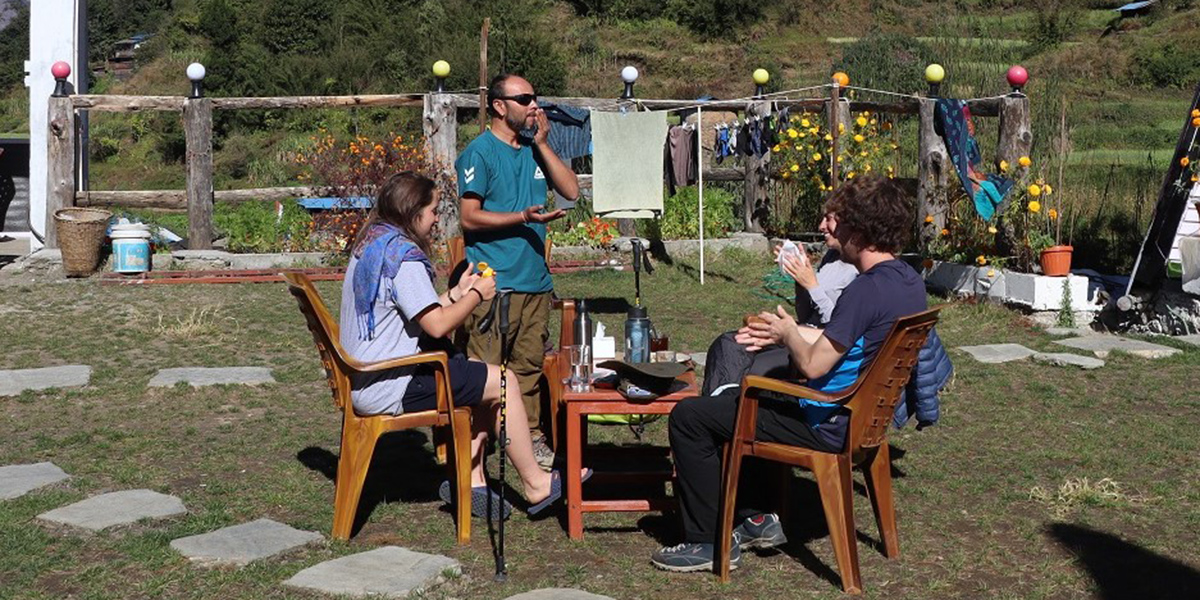
He said the proximity of this new route to Pokhara, Nepal’s tourism capital, has made it even more attractive for international and domestic visitors. Just last month, Ghimire guided a team of five British trekkers along this new trail. Tourism entrepreneurs have begun referring to the route as the Dhaulagiri–Annapurna Trek.
Tourist Inflow Rising; Local Hospitality Sector Rebounding
Hotel operators along the route say the number of trekkers has begun to rise steadily. According to Bal Bahadur Tilija Pun, a hotel entrepreneur from Swant, around 100 tourists visit the new trail daily.
“With tourist arrivals increasing, many locals who had migrated to towns are now returning to the village to start hotels and lodges,” he said. “New hotels and restaurants are opening along the route, creating income and employment opportunities.”

Located at 2,300 meters above sea level, Swant has quickly developed into a popular resting spot for trekkers to relax and recharge. Meanwhile, Khopra Lake, situated at 3,600 meters, has emerged as one of the major highlights of the route. Trekkers can opt for both camping and lodge-based accommodation throughout the journey. Hotel operator Lok Bahadur Purja from Bayali advised trekkers to travel with a guide, as the trail consists of forests, cliffs, and streams in several sections.
Local Government Prioritizing Trail Enhancement
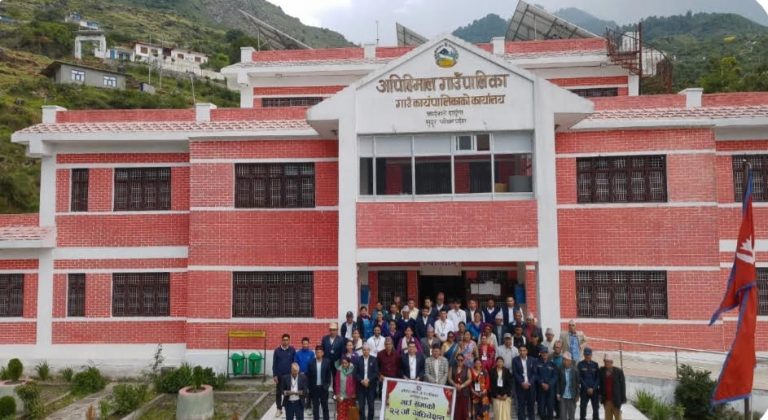
Ward Chairperson Rajesh Tilija Pun of Annapurna Rural Municipality–5 said the local government is focusing on enhancing the trail’s infrastructure. Efforts are underway to strengthen the capacity of community lodges, improve trail standards, identify new tourism destinations, and carry out promotional activities. He said the route has enormous potential to become one of Nepal’s leading trekking attractions if properly marketed and supported through coordinated efforts.