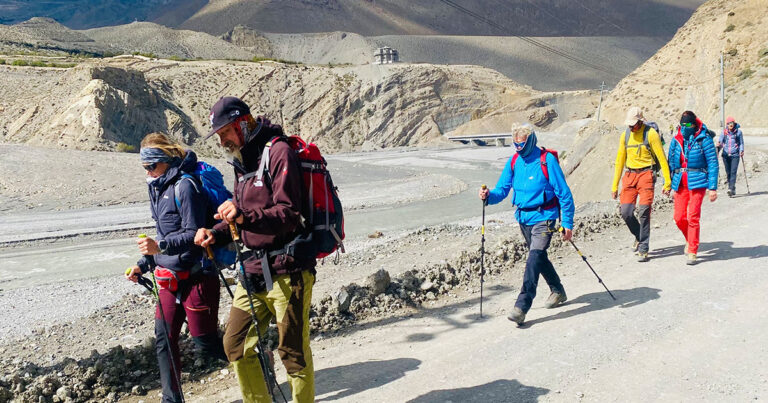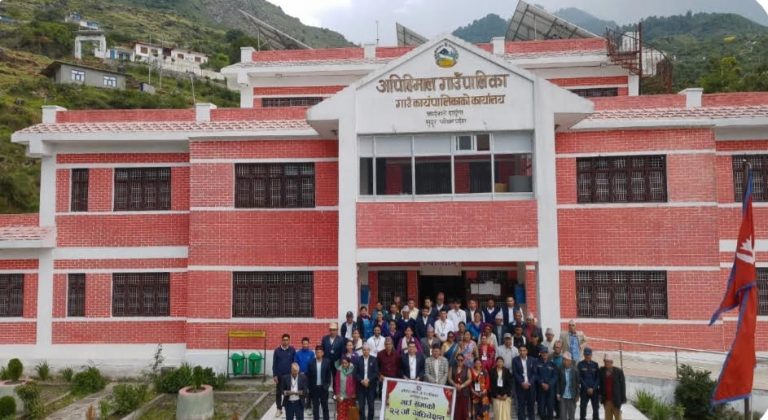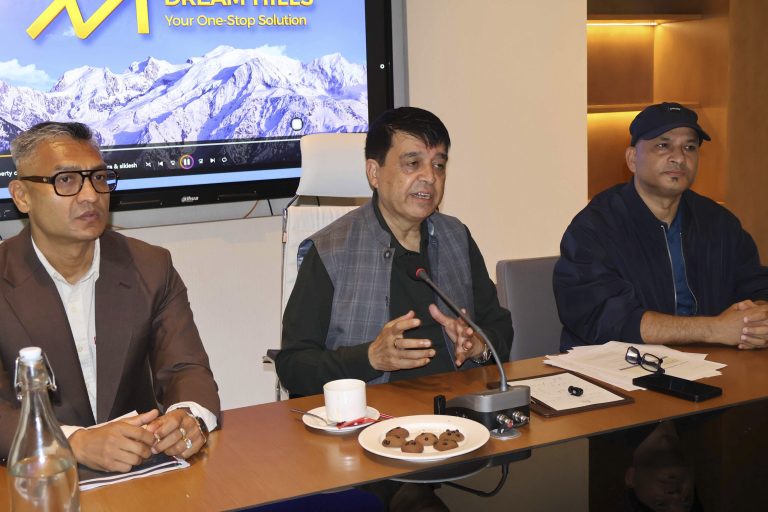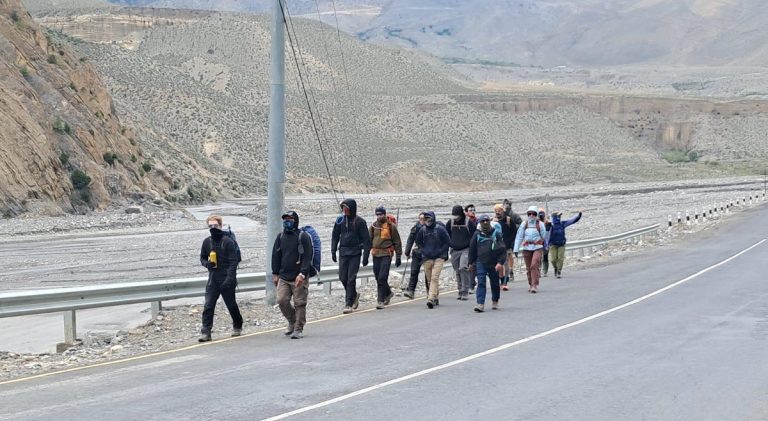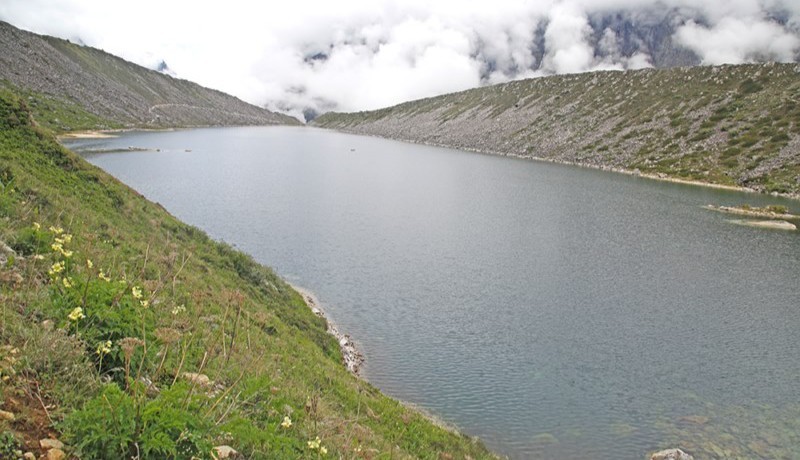
The Annapurna Conservation Area Project (ACAP), Manang Unit, has announced plans to construct a new trekking route to Ponker Lake, located in Nason Rural Municipality–6 and 7, following a recent survey of the area. The lake is situated at an altitude of 4,651 meters above sea level, making it one of the highest natural attractions in the region.
Survey Conducted for Safe and Sustainable Trail
The survey aimed to identify and study potential trekking paths that would safely connect Ponker Lake with the Manang Valley, according to Dr. Rabin Kadariya, Chief of ACAP Pokhara. “The main objective of this survey is to determine the most feasible and sustainable trekking route to the lake, ensuring safety for both visitors and local communities,” he said.
Dr. Kadariya added that the Ponker Lake area, formed by glacial meltwater from Annapurna III, is among the least-explored natural sites in Manang. The existing local trails have suffered damage from landslides, prompting the ACAP Manang team to conduct exploratory surveys to identify durable and environmentally friendly routes.

Tourism and Natural Conservation Goals
The new trekking path is intended to promote Ponker Lake as a natural and tourist attraction. “Once the trail is developed, it will enhance the visibility of the lake among domestic and international visitors, while also supporting sustainable tourism initiatives,” Kadariya explained.
Local residents often visit the area for Yarsagumba and wild garlic collection, making the trail vital for both tourism and traditional livelihoods. The survey aims to raise awareness among local communities and visitors about ecological conservation while promoting sustainable eco-tourism.
Scenic Beauty and Visitor Experience
Though small in size, Ponker Lake offers breathtaking Himalayan views that attract nature enthusiasts and adventure travelers alike. The development of a trekking route will allow more people to experience the area’s natural beauty safely.
“The exploratory survey and upcoming trail construction are expected to boost awareness about environmental conservation while providing access to this remote but visually stunning region,” Kadariya added. “We hope that both local and foreign tourists will be attracted to Ponker Lake once the path is operational.”
Economic and Community Impact
The construction of a trekking route to Ponker Lake is anticipated to strengthen local tourism and stimulate the regional economy. By promoting the area’s natural attractions, the project aims to draw both domestic and international visitors, creating opportunities for local guides, accommodations, and other service providers.
Dr. Kadariya emphasized that linking Ponker Lake with the Manang Valley via a safe and scenic trail is part of a broader initiative to integrate nature conservation with sustainable tourism development. He added that these measures are essential for preserving the region’s natural beauty while generating economic benefits for local communities.

Long-Term Vision for Sustainable Tourism
ACAP officials noted that the new trail will be developed with minimal environmental impact, ensuring that trekking activities remain sustainable. The project also aligns with ACAP’s goal of enhancing conservation awareness among visitors and residents, encouraging responsible tourism practices.
“Developing a trail to Ponker Lake is not just about facilitating trekking,” Kadariya said. “It is also about fostering a culture of environmental stewardship, creating opportunities for local communities, and connecting visitors with the unique Himalayan landscape in a sustainable way.”
The initiative reflects a growing focus on eco-tourism and sustainable infrastructure development in the Annapurna region, aiming to balance tourism growth, environmental protection, and community well-being.