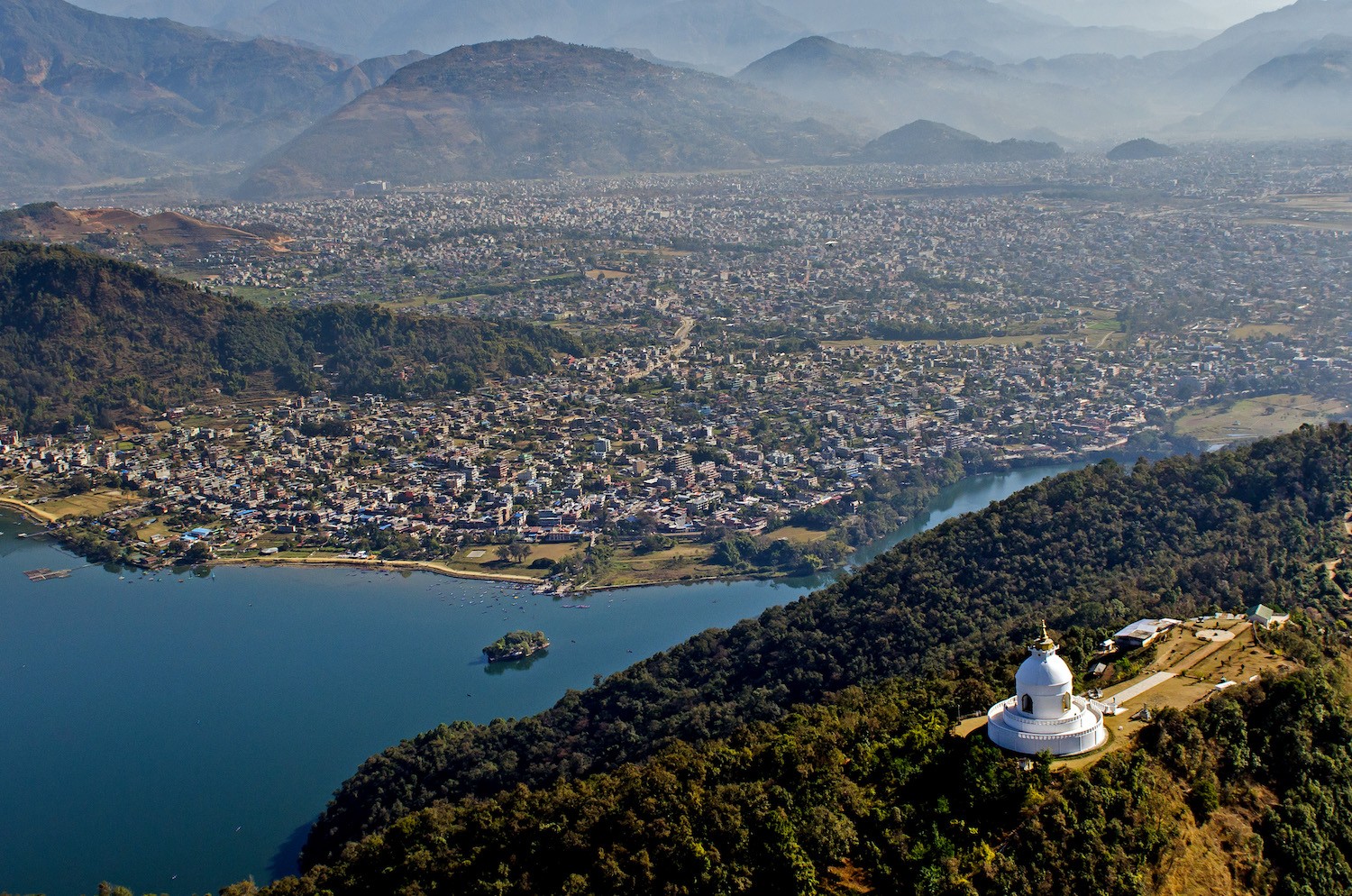
Pokhara, one of Nepal’s most popular tourist hubs, is witnessing a significant influx of domestic and foreign visitors during the ongoing Dashain-Tihar holiday season. Clear mountain views, favorable weather, and long public holidays have contributed to a surge in activity across hotels, restaurants, and other tourism-related businesses.
Hotels at Near Full Capacity
Laxman Subedi, President of the Hotel Association Pokhara, stated that the tourism sector, which has struggled in recent years due to disasters and the pandemic, is finally seeing relief. “During Tihar, both domestic and international tourists are visiting in satisfactory numbers,” he said. “Currently, around 90 percent of lakeside hotels are occupied, reflecting a strong recovery.”

Pokhara has approximately 1,200 tourist-level hotels, of which 700 are concentrated in the lakeside and Damsite areas. These hotels collectively have the capacity to accommodate around 40,000 guests per night, providing a significant boost to the local economy.
Trekking and Adventure Tourism on the Rise
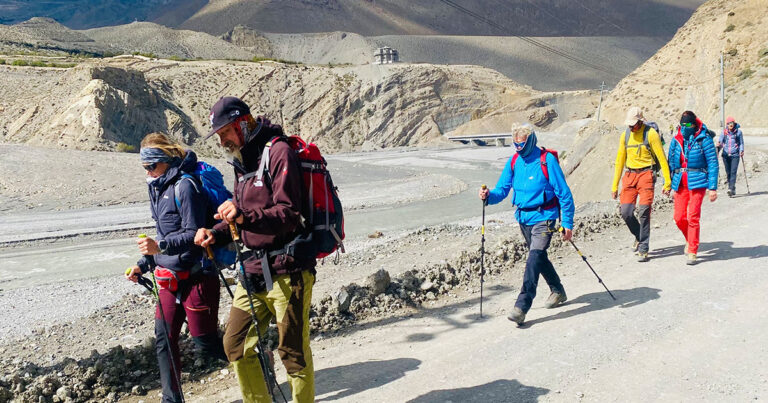
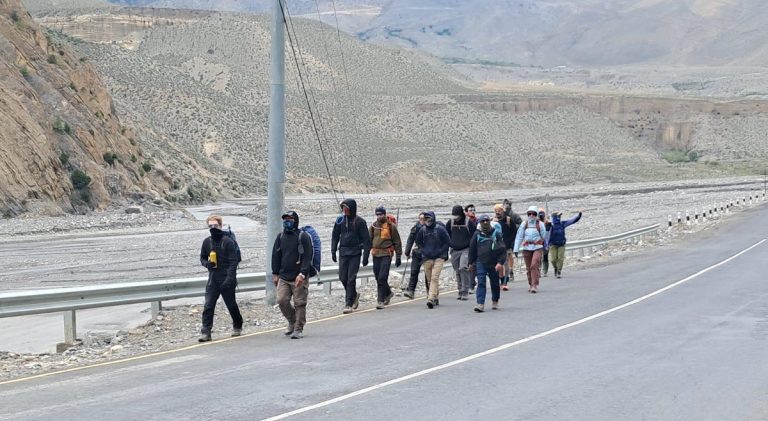
“The arrival of tourists heading for Annapurna trekking or trips to Mustang via Pokhara has significantly contributed to the recent surge in tourism,” said Krishna Acharya, President of the Trekking Agencies Association of Nepal (TAAN) Pokhara. “
The Annapurna region’s scenic trails continue to attract trekkers from across the globe. In particular, the Annapurna North route, also known as the Maurice Herzog Trail, has seen growing popularity after its recent promotion by TAAN, offering trekkers more diverse and exciting options. “The influx of both domestic and international trekkers is very encouraging,” Acharya added. “This growth is not limited to the trails themselves, trekking-related businesses, including guide services, homestays, and local accommodations, are also witnessing increased activity, reflecting a broader positive impact on the region’s tourism economy.”
Restaurants and Bars See Revival
The resurgence of tourism is not limited to accommodations. Bishwaraj Poudel, President of the Restaurant and Bar Association Nepal (REBAN) Pokhara, expressed satisfaction at seeing a significant influx of tourists, marking an improvement over previous holiday periods. “The number of visitors during Tihar is actually higher than during Dashain,” he said.
Restaurants, cafes, and bars around the lakeside have reported higher footfall, contributing to local employment and business recovery. Seasonal festivals, combined with favorable weather, have created a vibrant tourism atmosphere in the city.
Sustainable Tourism and Long-Term Strategy Needed
Despite the current boost, senior tourism officials caution that seasonal surges alone cannot sustain long-term investment in the sector. Hari Bhujel, Senior Vice President of the Pokhara Tourism Council, emphasized the need for a long-term government plan to attract tourists throughout the year.

Bhujel also highlighted the importance of adopting a sustainable tourism strategy, noting that factors such as natural disasters, political instability, and global pandemics can have immediate and severe impacts on the industry. “Pokhara’s tourism potential is immense, but ensuring safety and consistent visitor flow requires strategic planning and infrastructure support,” he said.
Positive Outlook for Gandaki Province
The current surge in tourist arrivals is expected to benefit not only Pokhara but the entire Gandaki Province, providing a boost to transportation services, trekking agencies, and local communities. Stakeholders remain optimistic that with proper management and promotion, Pokhara can regain its status as a world-class tourist destination. Tourism entrepreneurs, hoteliers, and trekking operators have welcomed the increased activity, calling it a much-needed revival for a sector that has faced multiple setbacks over recent years.