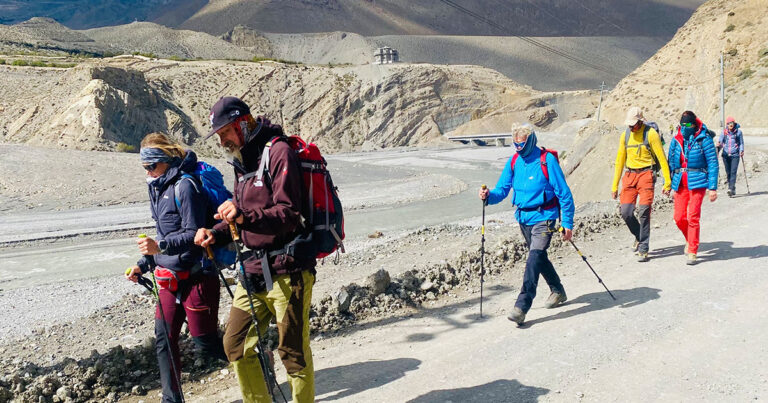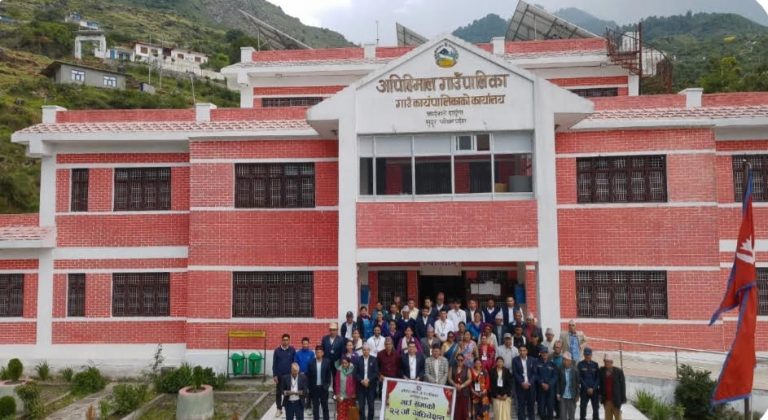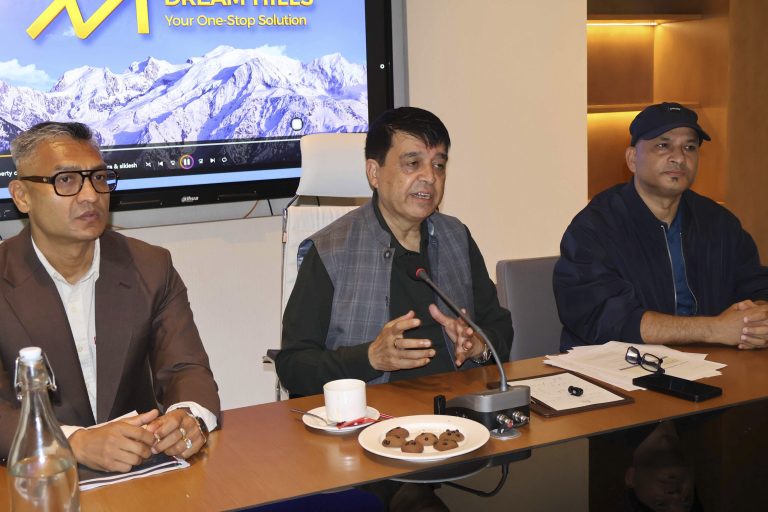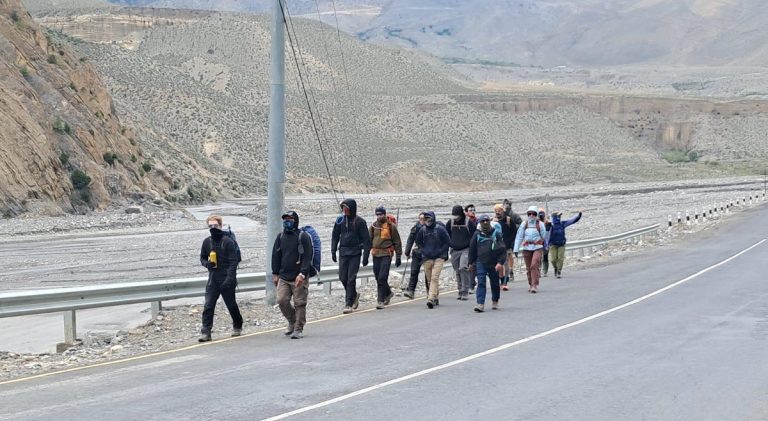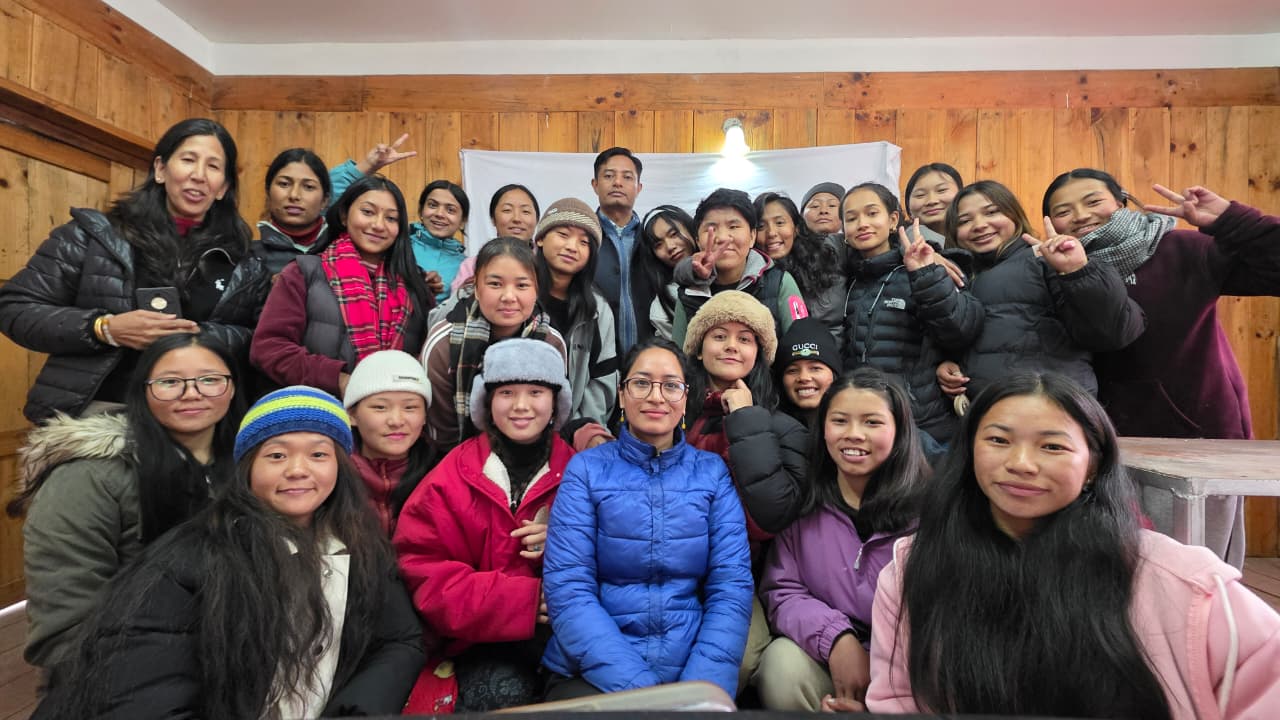
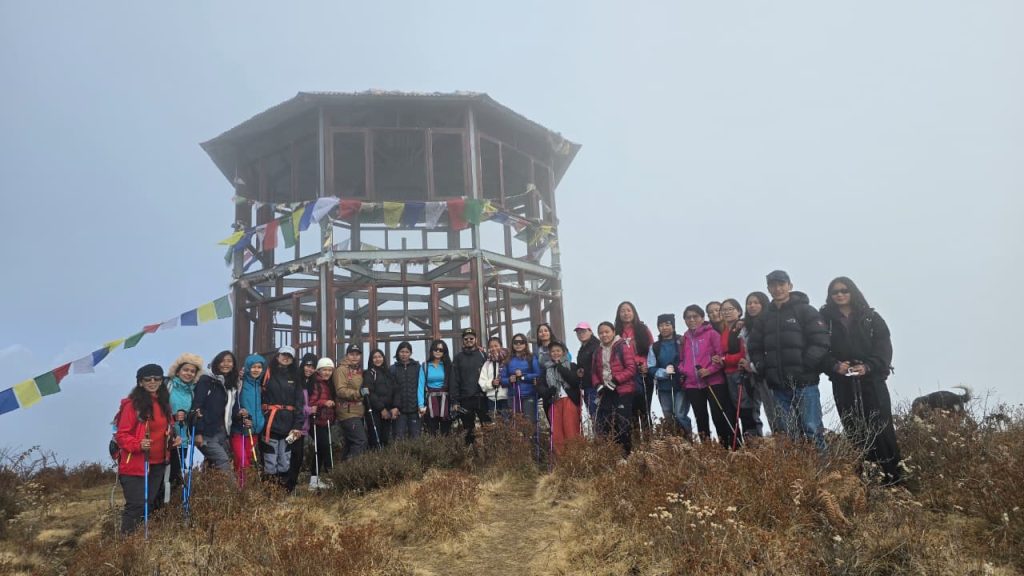
The Nepal Mountain Academy (NMA) has successfully completed a free Female Trekking Guide Training at Garma, Solukhumbu, from Mangsir 2 to 16, 2082. The residential training program, organized for the first time in Solukhumbu, aimed to develop women’s skills, enhance self-reliance, promote leadership, and expand female participation in adventure tourism.
Diverse Participation from Across Nepal
According to Dolma Lama, the training coordinator, a total of 28 women from nine districts, including Solukhumbu, Sankhuwasabha, Sindhupalchok, Dhading, Kathmandu, Lamjung, Dolpa, Jhapa, and Gorkha, participated in the 15-day intensive program. Lama noted that the program created new opportunities for women’s skill development in the local area, emphasizing the importance of female representation in tourism and outdoor activities.

Inauguration and Community Support
The training program was inaugurated in the presence of several prominent officials, including District Coordination Officer Chandrasingh Shrestha, Chief Administrative Officer of Solu Dudhkund Municipality Tukti Sherpa, Ward Chairperson Sonam Sherpa of Ward No. 7, and Ward Member Bhalakaji Karki.
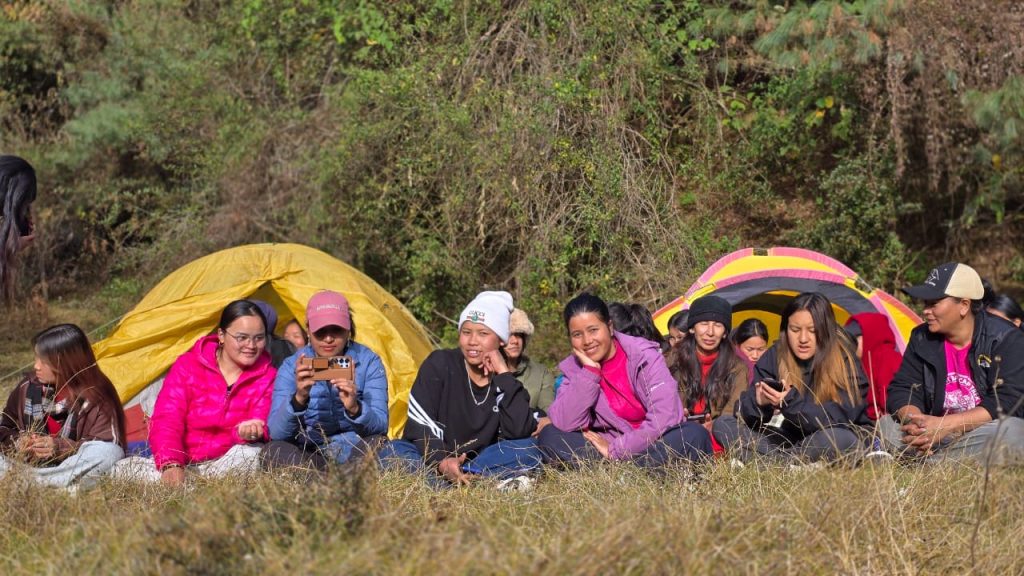
During the inauguration, participants and local dignitaries highlighted the need for sustained implementation of NMA’s activities in Garma to ensure that women in the region continue to benefit from skill-based programs.
Academic and Skill-Based Programs at NMA
Operating under the Ministry of Culture, Tourism, and Civil Aviation, NMA provides a range of academic and vocational programs. These include Bachelor in Mountaineering Studies, Master of Adventure Tourism Studies (MATS), and MSc in Mountain and Mountaineering Science (MSc MMS), offered in collaboration with Tribhuvan University, Kathmandu.
Additionally, the academy conducts practical skill-based training for trekking guides, ski guides, mountain bike guides, climbing support guides, and porter guides throughout the year, according to Executive Director Anil Kirati. These programs aim to enhance employability, confidence, and technical proficiency among participants.
Local Women as the Core Focus
Kirati explained that while the training in Garma was primarily intended for local women of Solukhumbu, participation was extended to women from other districts due to insufficient local enrollment. He emphasized the importance of strengthening coordination with local governments to make such programs more effective and widely accessible in the future. “The program not only equips women with technical trekking and guiding skills but also fosters leadership and confidence to participate in adventure tourism professionally,” Kirati added.
Building Capacity for Sustainable Adventure Tourism
The free female trekking guide training represents a significant step forward in promoting gender equality and women’s empowerment in Nepal’s adventure tourism sector. By providing structured training in trekking and mountain guiding, the program helps women become self-reliant, gain professional skills, and increase their visibility and participation in high-value tourism activities.
The academy’s holistic approach, combining academic courses with practical field-based skill development, ensures that women can pursue sustainable careers in mountaineering, trekking, and other adventure tourism domains, contributing to regional economic growth and tourism diversification.

The success of the first residential training in Garma has set a benchmark for future programs, with NMA planning to expand similar training initiatives across other remote districts. Enhanced collaboration with local authorities, continuous mentoring, and focused outreach efforts are expected to maximize the impact of such programs on women’s employment and leadership in adventure tourism.
This initiative is a step forward in equipping women with the knowledge, skills, and confidence needed to thrive in Nepal’s tourism sector, creating a more inclusive and empowered workforce for the country’s growing adventure and cultural tourism industry.