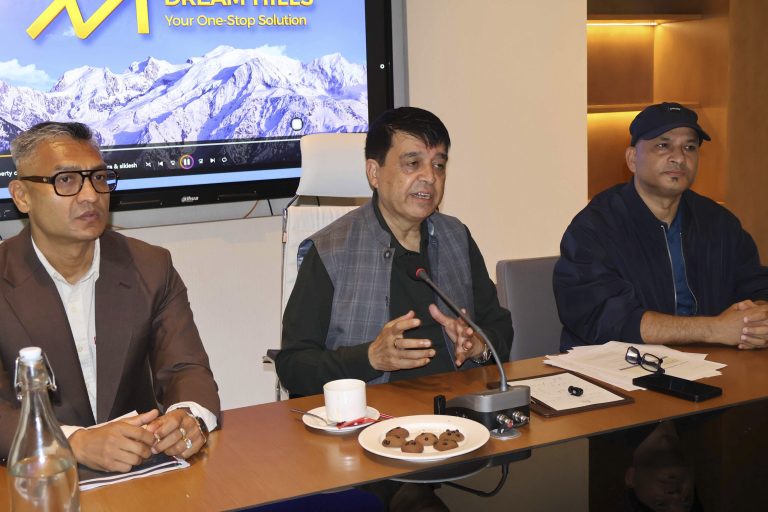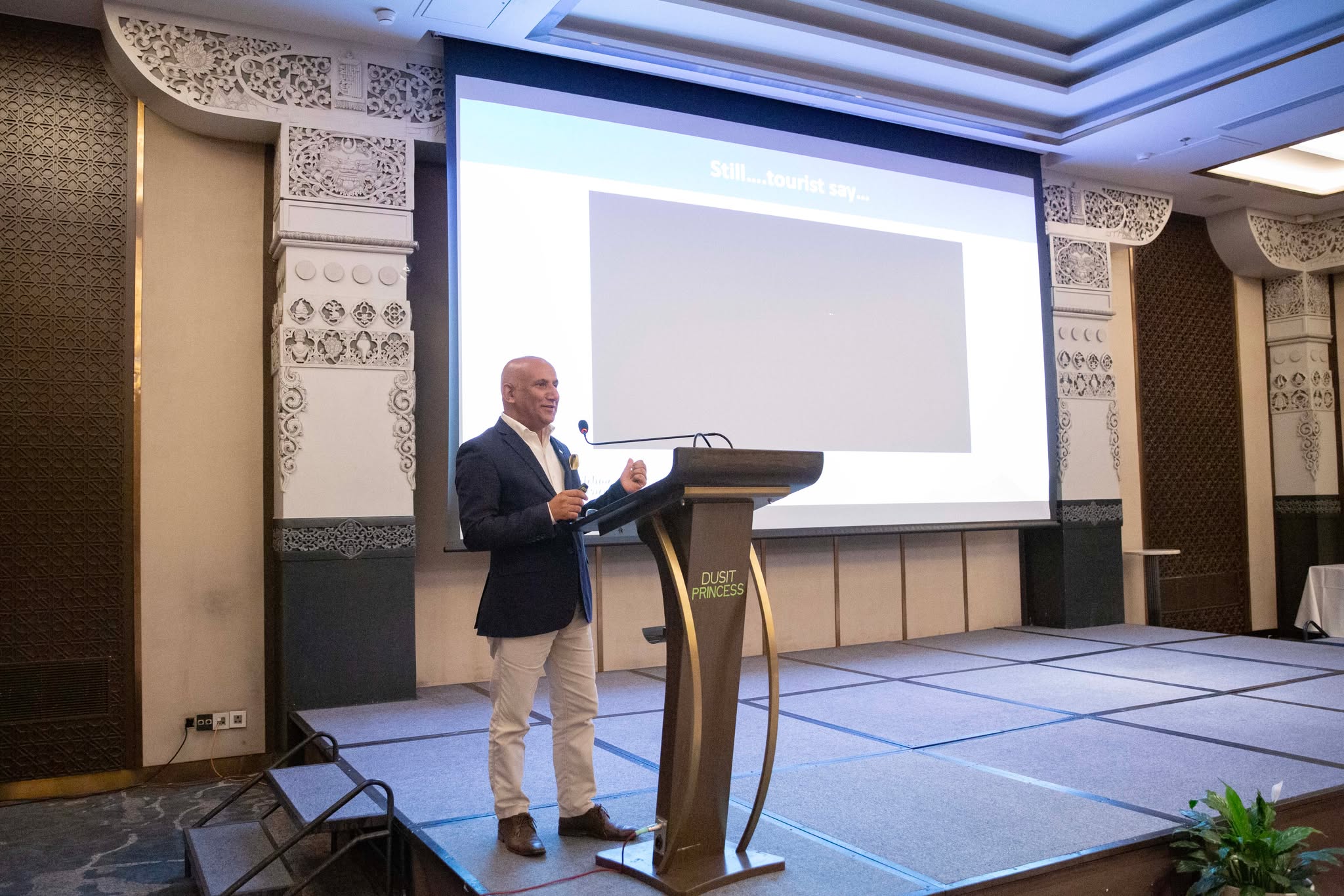
The Nepal Tourism Board (NTB) has urged foreign governments to relax the travel advisories issued against visiting Nepal following the recent Gen Z protests. During the “Meet and Greet with Diplomatic Corps” event organized in Kathmandu on Thursday evening on the occasion of Dashain, NTB Chief Executive Officer (CEO) Deepak Raj Joshi reassured that Nepal has now returned to normalcy and remains a fully safe destination for international travelers.
Background: Travel Warnings Issued After Protests
On Bhadra 24 and 25, Nepal witnessed the Gen Z movement that briefly created instability in several regions. In response, many foreign embassies and diplomatic missions based in Kathmandu had issued travel advisories, cautioning their citizens about visiting Nepal. These warnings impacted the tourism sector, leading to concerns among hoteliers, airlines, and travel operators who rely heavily on international visitors.

Assurance of Stability and Safety
Addressing diplomats and representatives from over 15 countries, CEO Joshi explained that the political and security situation has stabilized swiftly. He highlighted that the Nepal Army had effectively taken control of the situation soon after the unrest, and with the formation of a new government, political stability has been restored.
“Security agencies and tourist police are fully back in service, roads and airports are operating smoothly, and healthcare facilities have resumed normal operations,” Joshi said. He reassured that Nepal is ready to welcome tourists without hesitation, emphasizing that all necessary infrastructure for safe travel and hospitality is functioning normally.
Nepal as a Unique Global Destination
Joshi further stressed Nepal’s position as one of the world’s most unique cultural and natural destinations. “Nepal is a land of unparalleled beauty and heritage. Your support and positive message will make a difference in shaping the international perception of Nepal. Together, we can further promote this country as one of the most attractive destinations globally,” he told the gathering of diplomats.
Impact of Recent Unrest on Tourism
Providing details of the impact, CEO Joshi mentioned that during the Gen Z protests, around 25 hotels in Nepal suffered partial physical damage and over 2,000 jobs were temporarily affected. Despite this, he praised the resilience of Nepal’s tourism industry, which has consistently overcome global crises, including earthquakes, political instability, and the COVID-19 pandemic.

He emphasized that not a single tourist was targeted during the protests, highlighting Nepal’s long-standing reputation for hospitality and safety. “Our industry is mature in handling crises. Tourists can remain confident that Nepal will continue to be a safe destination in the days ahead,” Joshi added.
Appeal from the Tourism Board Vice Chairman
NTB Vice Chairman Ram Prasad Sapkota also appealed to ambassadors and their representatives to spread the message that Nepal is once again fully open and safe for travelers. “With our rich culture, heritage, and hospitality, we are ready to welcome guests. We urge you to convey this message to your governments and citizens: Nepal is safe, welcoming, and open,” Sapkota said.
Strong Diplomatic Presence
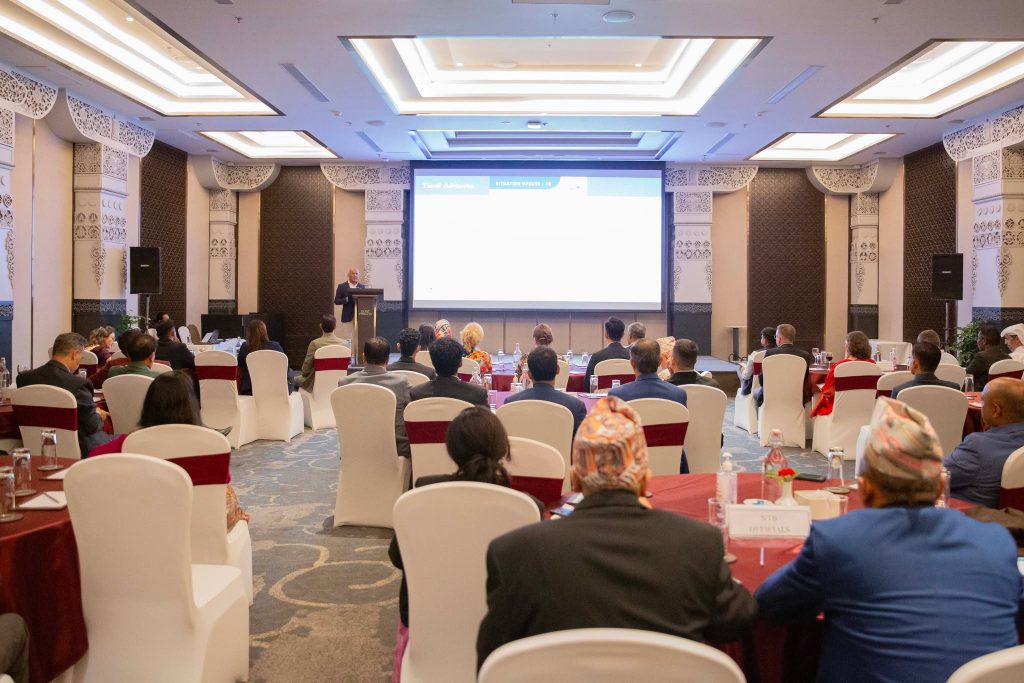
The event, held on the eve of World Tourism Day, saw participation from ambassadors and representatives of the United States, India, Egypt, Norway, Qatar, Malaysia, Pakistan, and other countries. Key officials from Nepal’s Ministry of Foreign Affairs, Ministry of Culture, Tourism and Civil Aviation, Ministry of Forests and Environment, the Department of Immigration, as well as tourism entrepreneurs, were also present.
The broad participation underscored the importance of Nepal’s tourism sector in strengthening international goodwill and economic ties. Diplomats were given a detailed briefing on how the country has returned to normalcy after the temporary unrest.
Festivals as a Symbol of Renewal
Highlighting Nepal’s vibrant cultural calendar, CEO Joshi pointed out that Dashain, Tihar, and Nepal Sambat represent Nepal as “festivals of reunion and renewal.” He explained that these celebrations not only symbolize cultural richness but also reflect the spirit of resilience and unity among Nepali people.

“Tourism is more than an economic contributor, it plays a vital role in strengthening people-to-people ties and deepening diplomatic relationships. Each visit to Nepal adds a layer of friendship between nations,” Joshi remarked. He assured the diplomatic community of NTB’s commitment to continuously collaborate on promoting Nepal’s tourism identity worldwide.
Optimism for the Tourism Industry
Tourism entrepreneurs present at the event expressed optimism that the revival of Nepal’s image as a safe destination would lead to a surge in international arrivals. With the upcoming peak trekking and festival season, stakeholders are confident that relaxed travel advisories will help the industry bounce back strongly. The NTB’s appeal highlights the broader vision of positioning Nepal not just as a tourist hotspot, but as a bridge of cultural diplomacy, resilience, and global friendship.