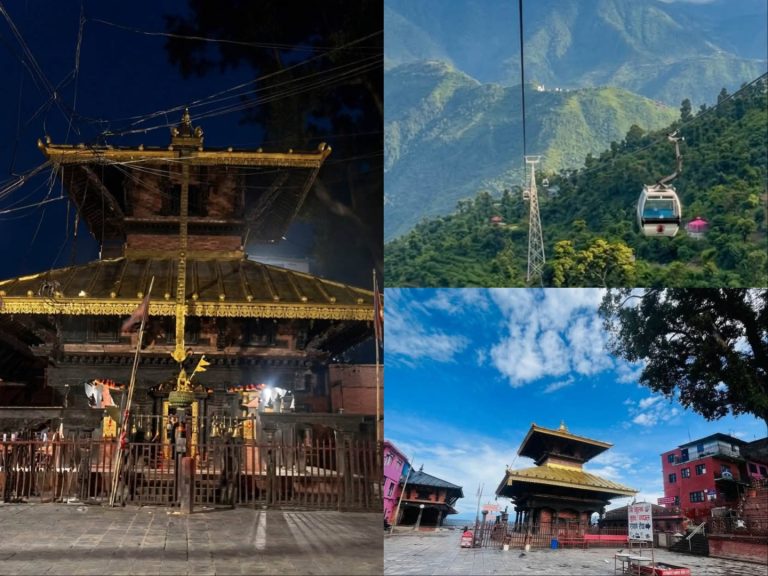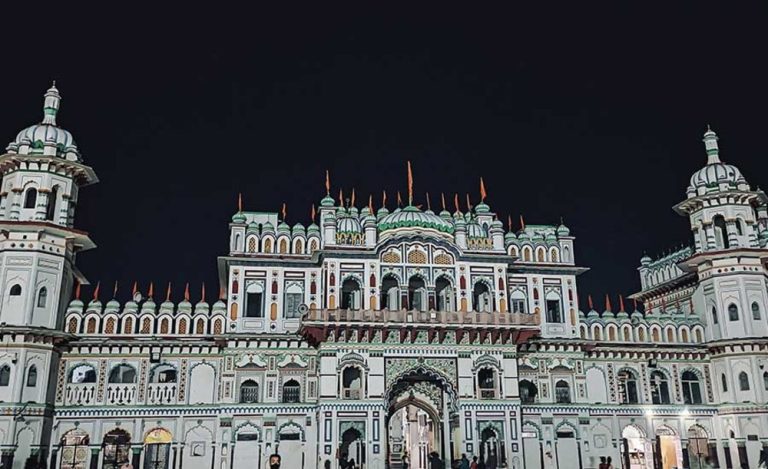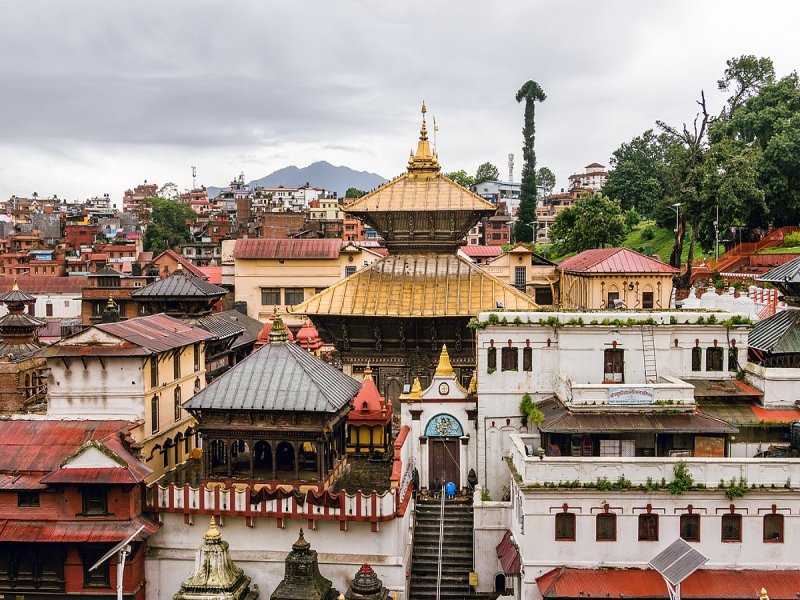
As a centerpiece of Nepal’s rich cultural and spiritual heritage, the Pashupatinath Temple continues to captivate visitors from around the globe. Nestled along the banks of the Bagmati River in Kathmandu, this ancient temple is not only a significant pilgrimage site for Hindus but also a major attraction for tourists seeking to delve into Nepal’s vibrant history and spiritual essence.
Pashupatinath, dedicated to Lord Shiva, is one of the holiest temples in Hinduism and boasts a history that stretches over two millennia. The temple’s origins are believed to date back to the 4th century CE, although the structure has undergone numerous renovations and expansions over the centuries. The temple is renowned for its richly adorned pagoda-style architecture and the presence of a sacred linga (a symbol of Shiva), which is an object of veneration.
It is dedicated to Lord Shiva, one of the principal deities of Hinduism, and is believed to be one of the Char Dham or the four sacred pilgrimage sites. According to legend, the temple was originally built by King Prachanda Dev and has been expanded and renovated by various rulers over the centuries. The temple’s core structure is believed to have been built during the 16th century, though its foundations are thought to date back even further.
Over time, Pashupatinath has been expanded and embellished by various rulers and dynasties, including the Malla kings, who added intricate carvings and statues to the temple complex. The current structure reflects a harmonious blend of historical styles and artistic traditions.
The temple complex covers an area of 264 hectares and is surrounded by a lush forest that adds to the serene atmosphere of the site. It is a UNESCO World Heritage Site, acknowledged for its outstanding cultural value and its role in preserving the spiritual and architectural heritage of Nepal.
Pashupatinath is a key pilgrimage destination, especially during major Hindu festivals such as Maha Shivaratri and Teej. During these times, the temple attracts thousands of devotees and tourists alike. The sight of the sacred fire rituals, the chanting of mantras, and the overall vibrant atmosphere provide an immersive experience of Hindu spiritual practices.
For tourists, Pashupatinath offers a rich tapestry of experiences. The temple’s proximity to Kathmandu makes it easily accessible, and its significance as a historical and spiritual site makes it a must-visit on any itinerary. Visitors can explore the intricately carved wooden and stone structures, witness the traditional rituals performed by priests, and stroll along the banks of the Bagmati River, which holds its cultural importance.
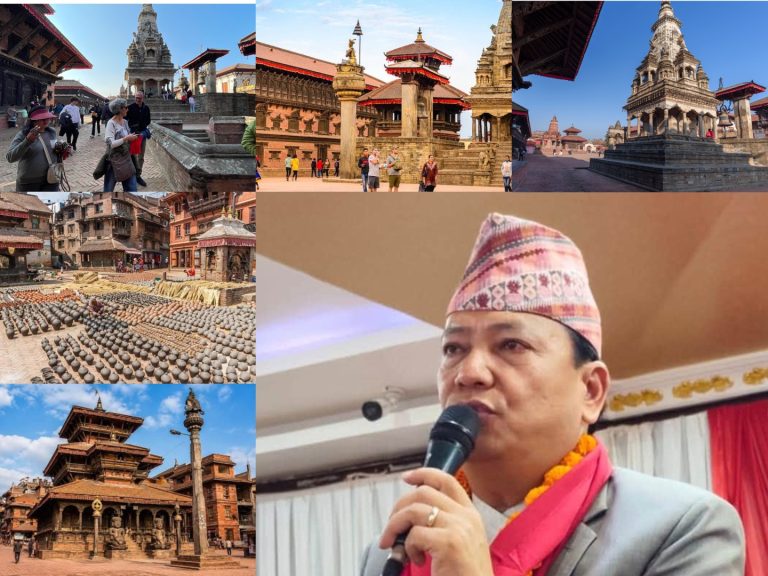
The surrounding area of Pashupatinath is also home to several other important religious sites, including the Guhyeshwari Temple and the Bhaktapur Durbar Square, enhancing the cultural tour experience. Local guides offer insightful tours that delve into the temple’s history and its role in Nepalese culture, enriching the visitor’s understanding of the site.
Efforts to preserve the Pashupatinath Temple and its surroundings are ongoing. Initiatives are in place to protect the site from environmental and human-induced damage, ensuring that future generations can continue to experience its spiritual and historical grandeur. As Nepal continues to develop its tourism infrastructure, Pashupatinath remains a focal point for both spiritual seekers and cultural enthusiasts, reinforcing its status as a cornerstone of Nepal’s heritage and tourism industry.
Pashupatinath Temple stands as a testament to Nepal’s rich cultural tapestry and spiritual depth. Its enduring significance, combined with its architectural splendor and historical roots, makes it a vital destination for anyone looking to explore the spiritual and cultural heart of Nepal.