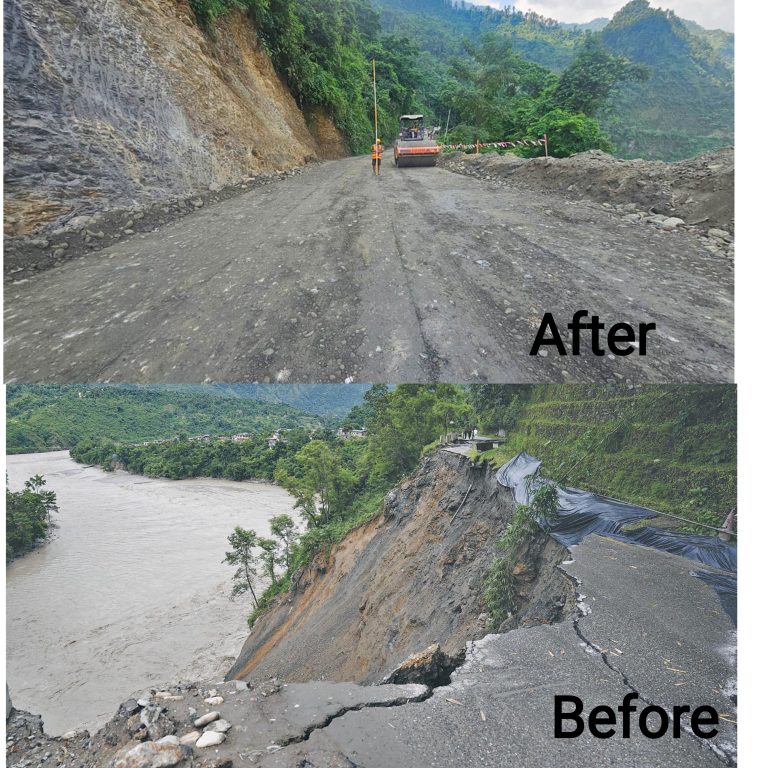
The PATA Foundation has established the Nepal Tourism Recovery Fund to assist tourism workers and small businesses in rebuilding their livelihoods after the devastating August 26 flash floods. The initiative targets communities along affected stretches of the Bhote Koshi and Trishuli river corridors, particularly in Rasuwa and downstream areas, where tourism workers and businesses have lost homes, premises, equipment, and income. The fund is intended specifically to channel recovery assistance to people whose livelihoods are tightly linked to Nepal’s tourism industry. It comes as affected communities continue to struggle with restoring both tourism operations and household income in the wake of the disaster in Nepal.
This new fund is designed specifically to channel recovery support to people whose livelihoods depend on tourism, including guides, drivers, porters and operators of accommodation and other small tourism businesses. The Foundation stated that the assistance will concentrate on rebuilding their capacity to earn, making the initiative a targeted tourism-sector recovery measure rather than general disaster relief. By concentrating on tourism-dependent communities, the program seeks to help restore the local businesses and services that serve travelers in affected destinations. The initiative also offers a dedicated channel through which tourism organizations, businesses and individuals can contribute to the recovery of affected communities.

Recovery Fund Targets Tourism Workers And Small Businesses of Nepal
The fund will assist guides, drivers, porters and trekking staff, along with families running homestays, lodges and teahouses along the affected corridor. These communities have experienced significant disruption after the floods damaged or destroyed homes and business premises, while tourism equipment and income-generating opportunities were also lost. For many families, the same property functioned as both a home and a tourism business, heightening the disaster’s impact on their livelihoods. Restoring these tourism-based sources of income will therefore be a key part of the recovery process in affected communities.
By focusing assistance on tourism-dependent livelihoods, the initiative aims to help affected workers and small businesses regain the ability to earn from tourism. The Foundation’s recovery approach acknowledges that, for many families in the affected areas, their home and tourism business were closely intertwined, meaning the disaster disrupted both their living conditions and their sources of income. Support aimed at individual workers and small operators can help them replace essential resources and gradually resume tourism related activities. The fund therefore puts livelihood restoration at the heart of its support for Nepal’s flood-affected tourism communities.
Support To Restore Lodges, Homestays And Tourism Operations
Donations to the fund will support practical recovery needs, including equipment for guides, porters, drivers and tourism workers. The assistance will also support the renovation of lodges, homestays and teahouses so they can welcome guests again, while tourism-related businesses can access support for tools, stock and other essential equipment. These types of assistance are meant to meet some of the immediate operational needs arising from the floods. Bringing accommodation and tourism services back will also help affected communities rebuild the local visitor economy once travel activity picks up again.
The fund will also support shared facilities used by affected communities, enabling assistance to reach beyond individual tourism operators. These measures aim to help rebuild the basic capacity tourism businesses need to resume operations and restore income opportunities for those who depend on visitors. Community-level facilities can be especially important where multiple tourism businesses depend on shared services and infrastructure. Taken together, the various forms of assistance aim to support a broader recovery of tourism activity along the affected corridors.
PATA Foundation Sets Grant Oversight And Transparency
The PATA Foundation said every grant will be approved by its Board of Trustees, establishing a clear oversight process for assistance distributed through the recovery fund. The Foundation has also pledged to publish information about the funds raised and how they are used, offering transparency on the recovery initiative. This mechanism is designed to ensure that contributions flow through an established grant-approval process. Public information on fundraising and spending will also let supporters track how the recovery effort is being carried out.
The fund welcomes contributions from individuals, tourism organizations, businesses and other supporters of Nepal’s tourism community. The initiative offers a way for the wider tourism industry to contribute to communities whose tourism based livelihoods were disrupted by the floods. Contributions can fund practical measures that workers and small businesses need as they work to rebuild their tourism operations. The Foundation has also invited organizations interested in making larger contributions to contact it directly about supporting the recovery effort.

Nepal’s Unaffected Destinations Continue To Welcome Visitors
Alongside the recovery initiative, the Foundation has stressed that Nepal is not closed to tourism and that destinations outside the affected corridor continue to welcome visitors. Kathmandu Valley, Pokhara and the Annapurna region, Everest and Khumbu, Chitwan, Bardiya, Lumbini and the Terai are identified as still operating, while Nepal’s airports and major tourism infrastructure remain operational. This distinction matters greatly as travelers and tourism businesses assess conditions in the wake of the floods. Ongoing activity in destinations that were not affected can assist in supporting tourism businesses and workers as recovery proceeds in the areas hit directly by the disaster.
The Foundation has emphasized that conditions in a single river corridor should not be viewed as representative of the whole country, given Nepal’s varied geography and tourism destinations. It has urged continued travel to unaffected areas, pointing out that visitor activity sustains businesses, workers and local communities, including those involved in recovery efforts after the disaster. The message also urges travelers and tourism businesses to verify conditions specific to each destination instead of regarding the flood’s impact as a nationwide tourism disruption. Accurate information and continued travel to destinations that remain open can thus help maintain tourism activity while affected communities rebuild.