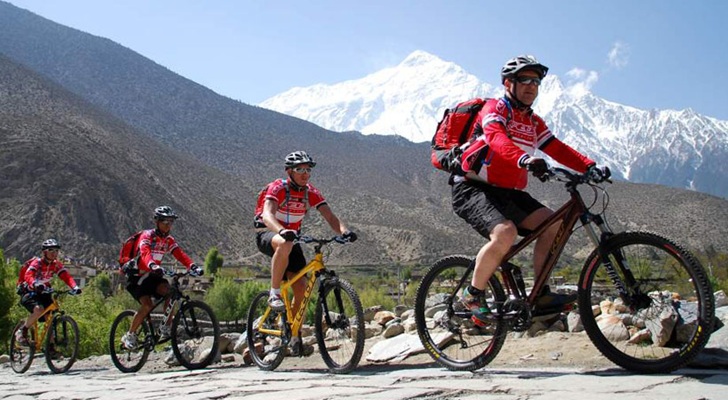
For decades, Phaplu was known primarily as a transit point for trekkers heading toward the Everest Base Camp. Today, the quiet town in Solukhumbu is undergoing a remarkable transformation, emerging as one of Nepal’s most exciting adventure tourism destinations with the development of the Ratnange Trail Center, a world-class mountain biking network built through a community-led initiative.
Spanning more than 70 kilometers across 17 professionally designed trails, the Ratnange Trail Center is redefining Himalayan tourism by offering a sustainable, year-round alternative to traditional trekking and mountaineering.

Mountain Biking Takes Root in Solukhumbu
Nestled within the lush, community-managed Ratnange Forest, the trail network caters to riders of all skill levels. Beginners can enjoy smooth, flowing singletrack, while experienced riders are challenged by steep, technical descents marked by exposed roots, rock gardens, and dramatic elevation changes.
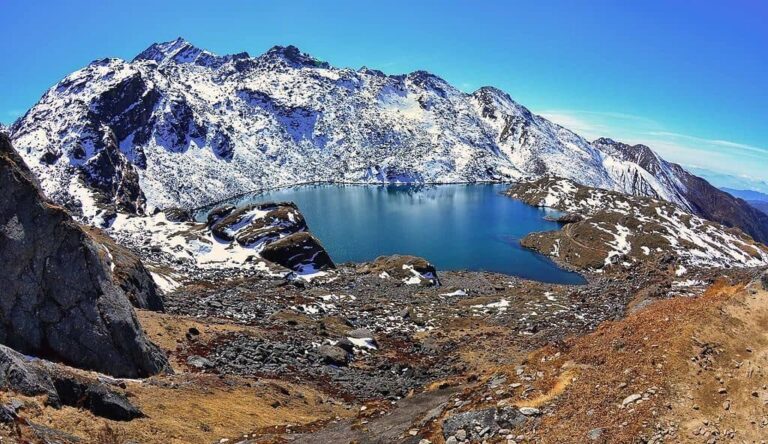
What sets the trails apart is their setting. Riders traverse dense forests, traditional Sherpa villages, and open ridgelines with uninterrupted views of some of the world’s highest peaks, including the Everest and Pikey Peak regions. The trails blend adventure with cultural immersion, offering a unique experience rarely found elsewhere in the Himalayas.
The Happy House: From Mountaineers to Mountain Bikers
At the heart of Phaplu’s transformation is The Happy House, a historic 10-room lodge owned by the family of renowned hospitality professional Ang Tshering Lama. The lodge once served as a favored retreat for legendary climbers, including Sir Edmund Hillary, and played a quiet but important role in the history of Himalayan mountaineering.
In recent years, the lodge has evolved into a hub for the global mountain biking community. Recognizing the potential of biking to create sustainable livelihoods, Lama partnered in 2020 with former French professional racer Tangi Rebours to establish the Phaplu Mountain Bike Club. Their shared vision was simple yet ambitious: to use mountain biking as a tool for economic diversification, youth empowerment, and environmental conservation.
Sustainable Tourism Beyond the Climbing Season
Unlike high-altitude mountaineering, which offers employment for only a few risky months each year, mountain biking provides a more stable and inclusive economic model for local communities.
The initiative has already delivered measurable benefits:
- Local Employment: The club trains local youth as certified mountain bike guides, mechanics, and trail builders, creating skilled jobs within the community.
- Entrepreneurship: A growing number of Sherpa-run homestays now host visiting riders, offering authentic cultural experiences while generating steady household income.
- Conservation Efforts: The trails follow existing footpaths, minimizing environmental impact. Increased human presence has also helped deter illegal logging and wildlife hunting in the Ratnange Forest.
This model has positioned Phaplu as a leading example of community-based, low-impact adventure tourism in Nepal.
Ratnange Enduro Puts Nepal on the Global Biking Map
The growth of mountain biking in Phaplu is further reinforced by the annual Enduro Ratnange race. Now entering its third season in early 2026, the event has attracted international professional riders alongside Nepal’s emerging talent.
Nepalese champions such as Rajesh Magar and Nishma Shrestha have demonstrated that local riders can compete at elite levels, inspiring younger athletes to see mountain biking as a viable career path rather than a hobby. The race has also helped place Nepal firmly on the global mountain biking calendar, drawing international attention to the country’s untapped adventure tourism potential.
Quick Guide: Mountain Biking in Phaplu
| Feature | Details |
|---|---|
| Location | Phaplu, Solukhumbu District (9-hour drive or 30-minute flight from Kathmandu) |
| Trail Network | 70+ km across 17 trails |
| Maximum Altitude | Up to 4,060 meters (Pikey Peak area) |
| Ideal For | Adventure travelers, Enduro riders, cultural explorers |
| Economic Impact | Year-round guiding work (avg. USD 25/hour) and community homestays |

A New Direction for Himalayan Tourism
Through the hum of bike tires on forest trails and the enduring hospitality of the Sherpa people, Phaplu is proving that the future of Himalayan tourism is not only about reaching summits, but about redefining the journey itself.
As Nepal seeks more sustainable and diversified tourism models, the Ratnange Trail Center stands as a powerful example of how local leadership, global collaboration, and responsible adventure tourism can reshape rural economies while preserving natural and cultural heritage.