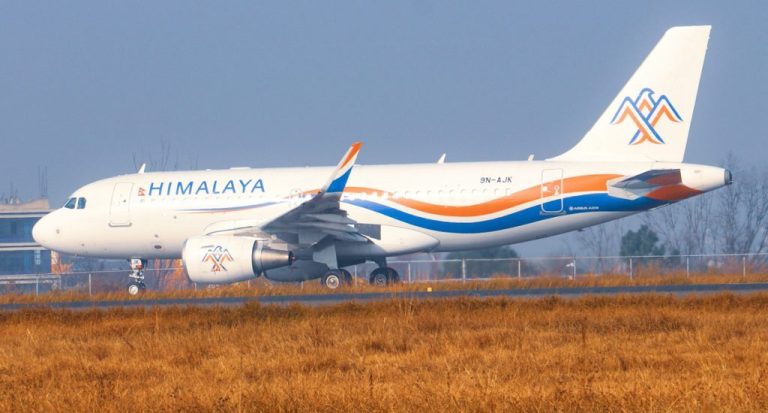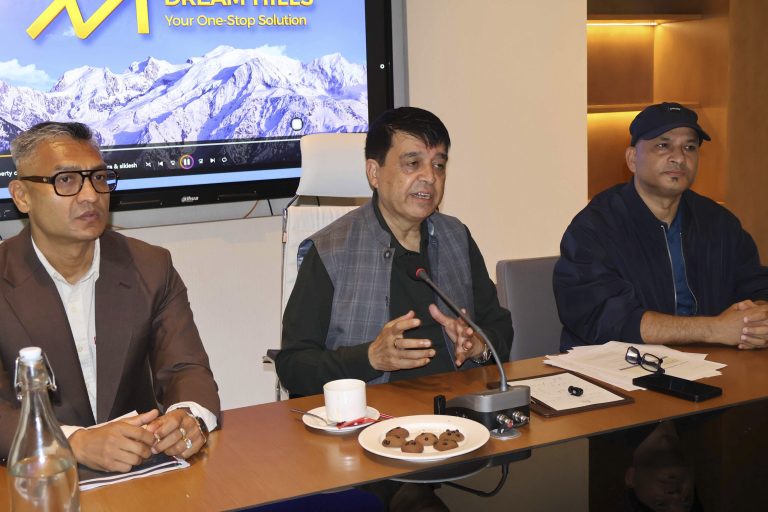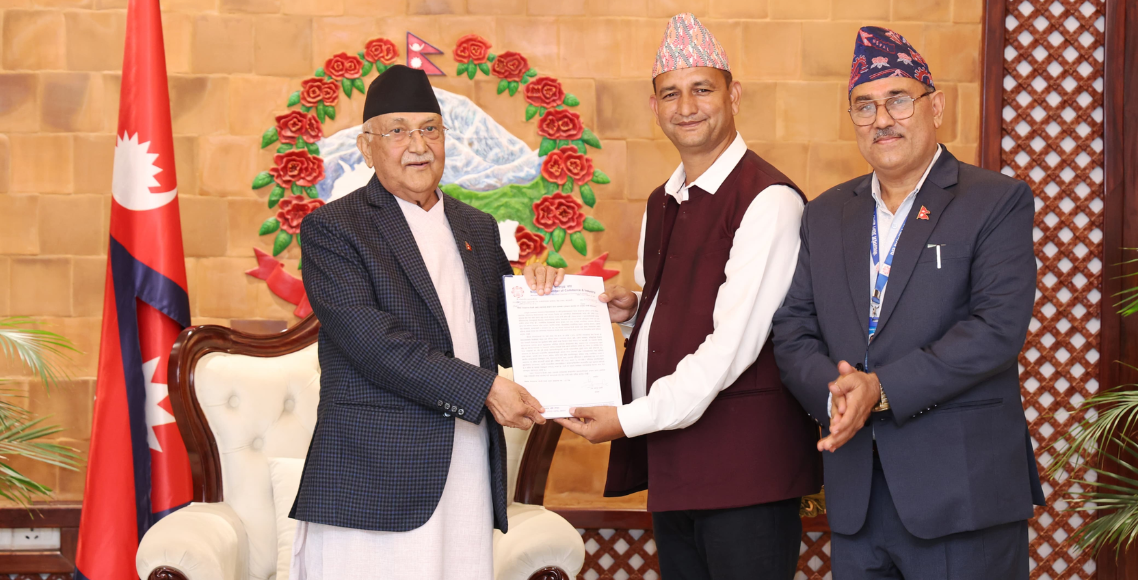
Prime Minister KP Sharma Oli has been urged to prioritize the establishment of a direct air service between Nepalgunj and New Delhi, India. A delegation comprising elected representatives from Banke and Bardiya districts, along with industrialists and business leaders, has drawn the attention of Prime Minister KP Sharma Oli towards the urgent need for initiating a direct air service between Nepalgunj and New Delhi. The meeting, held at the Prime Minister’s official residence in Baluwatar, highlighted the potential of this route to transform the aviation and commercial landscape of western Nepal.
During the discussion, the delegation emphasized that the Nepalgunj Airport already has the necessary infrastructure to operate international flights. They argued that establishing the Nepalgunj–New Delhi direct route would not only serve the aviation needs of 32 districts in western Nepal but also boost business prospects, tourism, and regional connectivity.
Demand for Enhanced Regional Air Connectivity
The stakeholders submitted a formal memorandum to PM Oli, outlining their case for the direct service. They noted that the western region’s economic growth has been constrained by limited international air connectivity, forcing residents and businesses to rely on airports in Kathmandu or India for long-distance travel. According to them, the introduction of a direct Nepalgunj–Delhi flight would significantly reduce travel time, cut costs, and attract more visitors to western Nepal’s cultural and natural heritage destinations.
They also stressed the potential for increased bilateral tourism and trade between Nepal and India. By positioning Nepalgunj as a strategic hub, the flight could become a gateway for pilgrims heading to Mansarovar, traders conducting cross-border business, and international tourists seeking easier access to Lumbini, Karnali, and Sudurpaschim.
Prime Minister Expresses Positive Response
Upon receiving the memorandum, Prime Minister Oli expressed a positive stance towards the proposal and assured the delegation that he would raise the matter with the Government of India. He acknowledged the importance of enhancing Nepal’s air connectivity and the role such initiatives play in regional economic balance.
Prime Minister Oli also advised the concerned authorities to prioritize the expansion of the Nepalgunj Airport’s runway and the preservation of surrounding land to accommodate increased passenger and cargo volumes. He underlined that the airport’s upgrade must be in line with international standards to ensure smooth and safe operations for the proposed route.
Potential Benefits for Western Nepal
Industrialists and tourism entrepreneurs present at the meeting outlined the significant benefits the direct flight could bring to western Nepal. They argued that the service would strengthen the region’s economy by attracting investment, generating employment, and boosting tourism revenue. The stakeholders projected that improved connectivity could lead to a surge in visitors from both India and other countries, as Delhi serves as a major international aviation hub.
Moreover, the flight could serve as a critical link for the approximately 32 districts in western Nepal, including those in Lumbini, Karnali, and Sudurpaschim provinces. Many of these areas currently face logistical challenges due to their distance from Kathmandu, making Nepalgunj a more practical international gateway.
Tourism and Trade Opportunities
The delegation also stressed that the direct service would open up new opportunities in religious and cultural tourism. Pilgrims traveling to Mansarovar could use Nepalgunj as a transit point, while easier access to Lumbini could attract more international visitors. This would create business opportunities for hotels, restaurants, transport services, and local artisans.
In addition to tourism, the direct flight would facilitate faster and more efficient trade. Exporters could ship goods to India and beyond with shorter lead times, while importers could benefit from reduced transportation costs. This enhanced trade flow could stimulate industrial growth and promote cross-border business partnerships.
Existing Infrastructure Ready for Operations
According to the stakeholders, Nepalgunj Airport is already equipped with immigration, customs, and security facilities required for international flights. The airport’s passenger handling capacity is sufficient to manage the projected traffic for the Nepalgunj–Delhi service, making it operationally feasible without major additional investment.
They noted that the airport’s location is ideal for serving not just Nepalgunj city but also a large catchment area across multiple provinces, further strengthening its case as a viable international aviation hub.
Next Steps and Government Commitment
The meeting concluded with optimism, as Prime Minister Oli reiterated his willingness to advocate for the project in bilateral discussions with India. He encouraged the Ministry of Culture, Tourism, and Civil Aviation to work closely with the Civil Aviation Authority of Nepal (CAAN) to finalize technical requirements and coordinate with Indian aviation authorities.
With growing momentum from local leaders, business communities, and now the Prime Minister’s office, stakeholders are hopeful that the long-anticipated Nepalgunj–New Delhi direct flight will soon move from proposal to reality, opening a new chapter in the economic and aviation history of western Nepal.