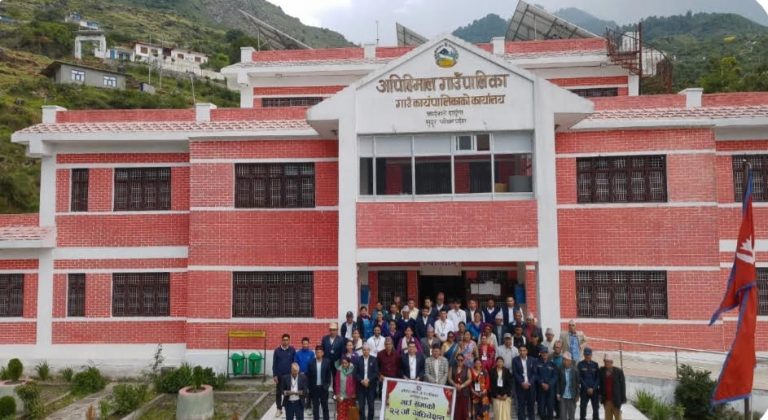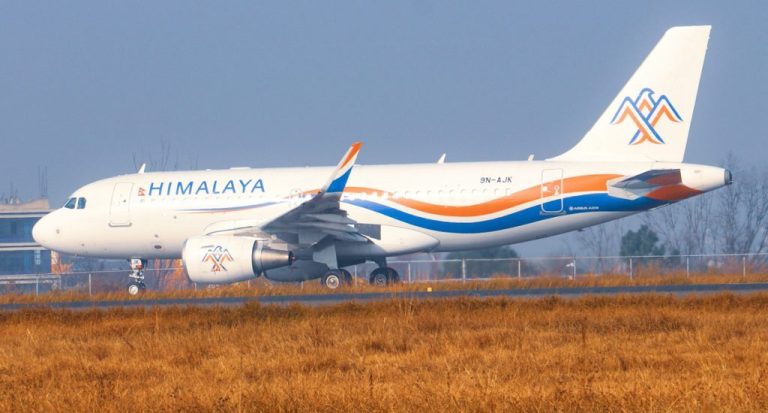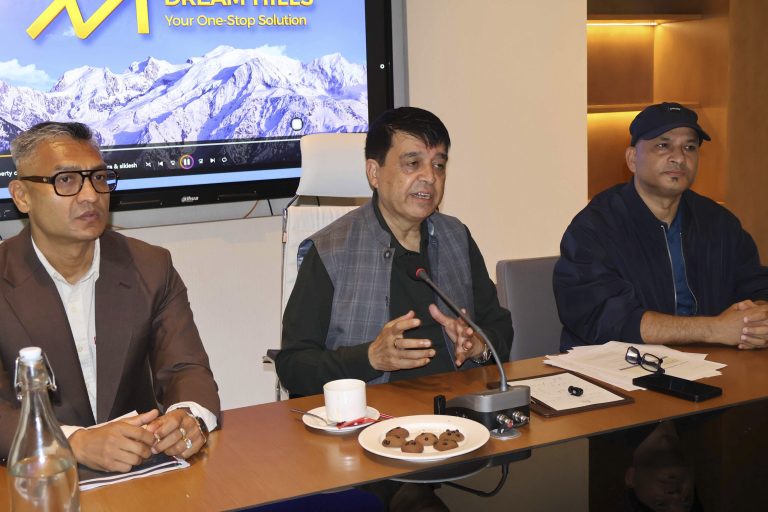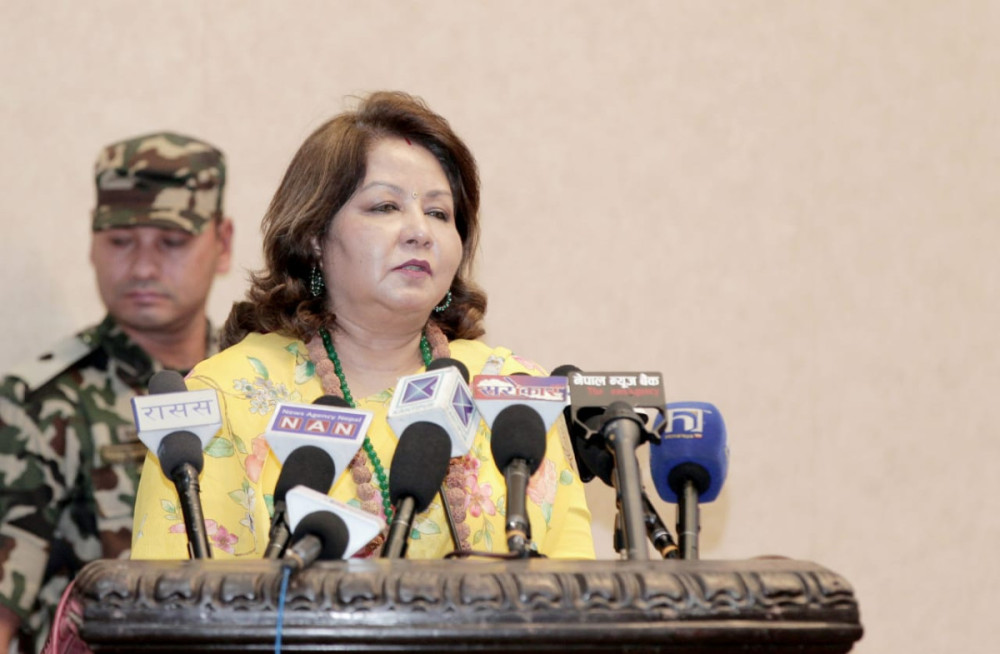
Foreign Minister Dr. Arzu Rana Deuba has expressed her firm commitment to making every possible effort to establish a direct flight between Nepalgunj and New Delhi, India. The announcement came today during a meeting at the Ministry of Foreign Affairs with key political leaders from Banke district, Members of Parliament representing Banke and Bardiya, industrialists, business representatives, civil society members, and other concerned stakeholders.
Dr. Deuba assured the delegation that the Nepalgunj–Delhi air service had already been on her priority list and that she had been working on the matter for some time. “I have been making efforts from the beginning for this direct flight. We have placed the Nepalgunj–Delhi route as a priority agenda. This flight will provide mutual benefits to both Nepal and India, and the more we strengthen our interconnectivity, the greater the benefits for Nepal. Therefore, I will put in all possible effort to make this service a reality,” she stated.
Enhancing Connectivity for Mutual Benefits
The Foreign Minister emphasized that increasing connectivity between Nepal and India is essential for boosting tourism, transport, trade, and people-to-people contact. According to her, the proposed direct flight could significantly contribute to the economic development of western Nepal. “This service will transform the economic landscape of the region,” she said, adding that Nepalgunj already has hotels and other necessary tourism infrastructure in place to support the new route.
Dr. Deuba also pointed out that the improved connectivity would not only attract Indian tourists but also facilitate easier access for Nepali travelers heading to India for pilgrimage, medical treatment, education, and business purposes.
Stakeholders Request Priority Inclusion in PM’s Visit
The delegation meeting Dr. Deuba today urged her to ensure that the matter is included as a priority agenda item during Prime Minister KP Sharma Oli’s upcoming visit to India. They highlighted that a direct air connection between Nepalgunj and New Delhi would serve as a crucial gateway for the Mansarovar pilgrimage, positioning Nepalgunj as the ‘Mansarovar Gateway’ for pilgrims traveling from various provinces of Nepal.
The team, comprising representatives from political parties, business communities, and civil society, also stressed that the direct flight would directly benefit residents from approximately 25 districts across Sudurpaschim, Karnali, and Lumbini provinces.
Strong Infrastructure and Passenger Handling Capacity
During the meeting, stakeholders informed the Foreign Minister that the Nepalgunj Airport already possesses the necessary infrastructure to accommodate the new international route. They claimed the airport has the capacity to handle up to 600 passengers per hour, making it more than capable of managing the potential passenger flow for the Nepalgunj–Delhi service.
They further stated that essential facilities such as immigration, customs, and security arrangements are in place, and that the airport has already undergone upgrades to meet the operational requirements for international flights.
Economic and Tourism Impact on Western Nepal
According to industry representatives, the introduction of the Nepalgunj–Delhi direct flight would significantly boost the local economy, particularly in the western regions of Nepal. The route is expected to open up new avenues for tourism by attracting visitors not only from India but also from other countries via connecting flights from Delhi.
The western region, which includes several natural and cultural heritage sites, would see an increase in tourist footfall. Lumbini, the birthplace of Lord Buddha, Karnali’s pristine landscapes, and Sudurpaschim’s unique culture could all become more accessible to international travelers. This increased accessibility is expected to generate more business for hotels, restaurants, transport services, and other tourism-related industries in the area.
Facilitating Pilgrimage and Trade
Stakeholders also emphasized the role of the proposed flight in facilitating religious tourism. Many pilgrims traveling to Mansarovar and other sacred destinations in India could use Nepalgunj as a starting point, reducing both travel time and cost. Additionally, easier air connectivity would benefit traders and exporters in the region by providing a faster link to India’s capital, enabling quicker movement of goods and business interactions.
Industrialists present at the meeting stated that the new route could encourage cross-border investments, joint ventures, and greater economic cooperation between Nepal and India.
Minister’s Assurance and Next Steps
Concluding the meeting, Dr. Deuba assured the delegation that she would continue her efforts to push the proposal forward both at the national and bilateral levels. She also committed to discussing the matter with relevant ministries, aviation authorities, and Indian counterparts.
The Foreign Minister reiterated that the Nepalgunj–Delhi direct flight was not just a regional aspiration but a national priority that aligns with Nepal’s broader goals of improving connectivity and promoting balanced economic development across all provinces.
The meeting ended with optimism, as stakeholders expressed confidence that the combined efforts of the government, local representatives, and the business community could soon make the long-awaited Nepalgunj–New Delhi direct air service a reality.