Pokhara, widely celebrated as Nepal’s tourism capital, has taken a major leap toward smart tourism by introducing QR code–based digital information systems at 24 major tourist destinations across the city. The new initiative allows visitors to read and listen to detailed information about heritage, religious, and natural sites simply by scanning QR codes using their smartphones, significantly enhancing the travel experience for both domestic and international tourists.
The innovative program has been implemented under the coordination of the Pokhara Tourism Council, with the support of the Nepal Tourism Board and the United Nations Development Programme (UNDP) through its Sustainable Tourism Project. Technical support for the digital platform has been provided by Sarang Digital, marking a successful collaboration between public institutions and private technology providers.

Enhancing Visitor Experience Through Digital Access
The primary objective of the initiative is to ensure that tourists visiting Pokhara can easily access reliable, well-structured, and multilingual information about the city’s key attractions. With a simple scan, visitors can now explore the historical, cultural, religious, and natural significance of each destination without relying solely on physical guides or printed brochures.
Major sites covered under the QR system include Ratna Mandir, Rupa Lake, Sarangkot, Kahun Danda, Harihar Cave, Bhadrakali, Shitaladevi, Ram Mandir, Ramghat, Kavi Shiromani Lekhnath Museum, Sita Cave, Laxmi Narayan Narayansthan, Shree Ganesh Bhadrakali Temple, Kahun Tower, Akaladevi Temple, Shitaladevi Temple, among others. The inclusion of these iconic landmarks ensures that visitors receive comprehensive digital access to Pokhara’s most treasured locations.
Multilingual Information for Global Tourists
One of the most notable features of this initiative is its multilingual accessibility. According to Pokhara Tourism Council President Taranath Pahari, tourists can now read information about each destination in 11 international languages, Arabic, Chinese, English, French, German, Hindi, Italian, Japanese, Korean, Russian, and Spanish. This wide linguistic coverage makes Pokhara more accessible to a truly global audience.
In addition to written content, tourists can also listen to audio information about the sites in English, Hindi, Chinese, French, and Nepali, making the system friendly for travelers who prefer guided narration over reading. This inclusive approach is expected to significantly improve visitor satisfaction and understanding of Pokhara’s rich heritage.
Dual QR Codes at Each Destination
Each tourist site is equipped with two QR codes displayed on dedicated boards. According to Council Secretary Jeevan Raj Sapkota, scanning the first code provides in-depth information about the specific destination being visited, while the second code introduces tourists to other must-visit attractions across Pokhara. This design encourages extended stays, diversified travel routes, and deeper exploration of the city.
A Step Toward Sustainable and Smart Tourism
The QR code system also supports Pokhara’s vision of sustainable tourism development. By reducing dependency on printed materials, the project promotes environmentally responsible tourism practices. The digital format also allows for real-time content updates, ensuring that information remains accurate and relevant over time.
Tourism stakeholders believe this initiative will help distribute tourist flow more evenly, encouraging visitors to explore lesser-known attractions alongside popular landmarks. This balanced movement is expected to benefit local communities, create new economic opportunities, and preserve the city’s cultural and natural heritage.
Strengthening Pokhara’s Global Tourism Image
With millions of tourists visiting Pokhara annually, the introduction of this digital system positions the city as a forward-thinking, technology-friendly destination. It reflects Nepal’s growing commitment to integrating innovation into tourism development while preserving authenticity and sustainability.

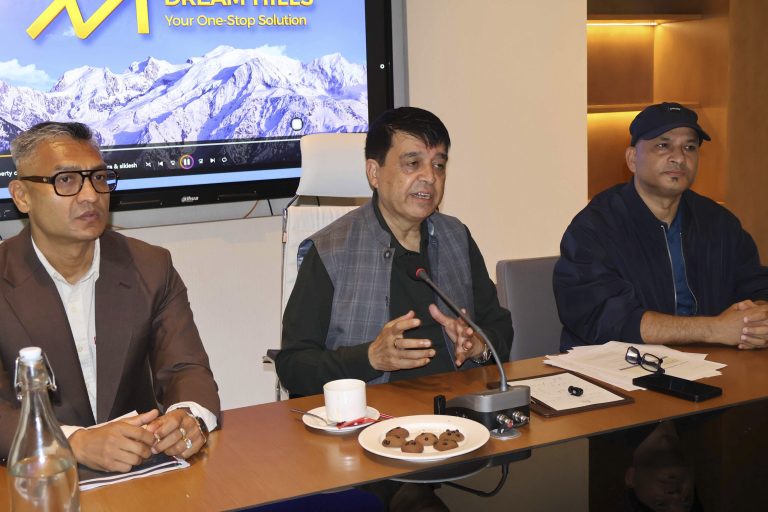
President Pahari expressed confidence that the QR code project will play a crucial role in making travel more convenient, informative, and enjoyable. “This system will greatly assist visitors in understanding Pokhara’s major destinations and will elevate the overall tourism experience,” he said.
A Model for Future Tourism Development in Nepal
As Nepal continues to modernize its tourism infrastructure, Pokhara’s QR code initiative stands as a model for other cities and destinations across the country. By blending culture, technology, and sustainability, Pokhara is setting a new benchmark for smart tourism, one that ensures visitors not only see the beauty of the city but truly understand and connect with it.