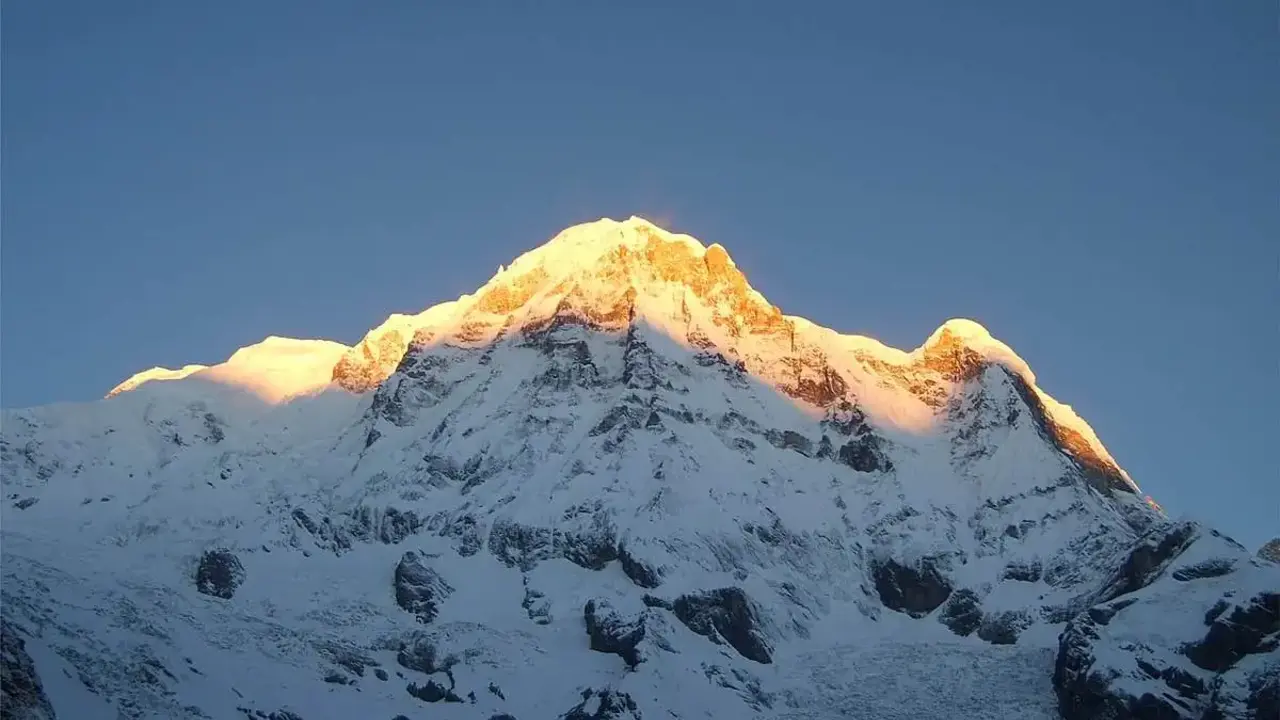
The world-renowned Annapurna Conservation Area Project (ACAP), famous for its trekking tourism, has recorded over NPR 300 million in revenue from foreign tourists visiting its restricted regions in the last fiscal year. These earnings come from entry permits required for the Upper Mustang and Nar Phu Valley areas of Manang, both declared restricted zones by the Government of Nepal.
Surge in Revenue From Restricted Areas
According to ACAP, foreign tourists entering the restricted Upper Mustang and Nar Phu areas generated NPR 301.75 million in entry permit fees in fiscal year 2081/82. This marks a significant increase compared to the previous year, when the amount collected was NPR 238.96 million. The growth is attributed to a rise in tourist arrivals, particularly in trekking-focused regions.
ACAP Chief Dr. Rabin Kadariya explained that foreign visitors to Upper Mustang are charged USD 500 per person, while those entering Nar Phu must pay USD 1,000 per person. The entry fees for these restricted zones are collected through the Immigration Office, and such areas are declared restricted due to their location along border points connected to Tibet. “Tourists must obtain a special permit before visiting these zones,” Dr. Kadariya said, highlighting that most visitors come for trekking adventures.
Trekking Remains the Main Attraction
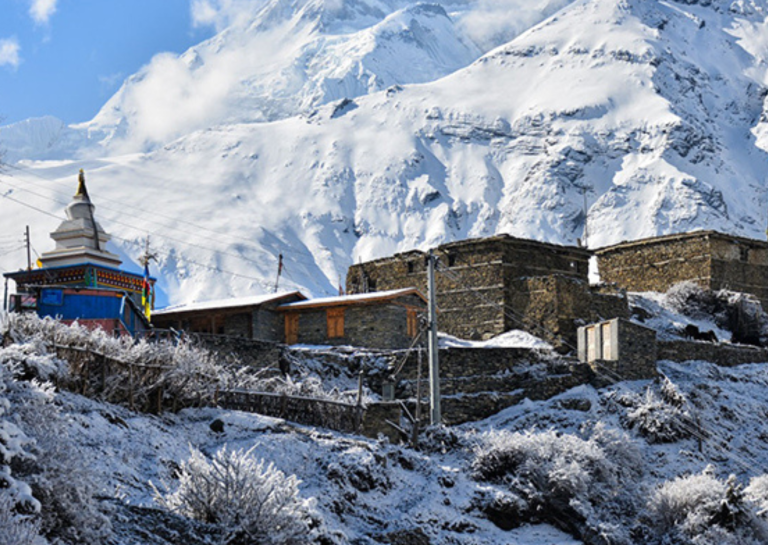
Upper Mustang and Nar Phu Valley are globally recognized trekking destinations, offering unique cultural heritage, remote landscapes, and challenging routes. According to ACAP, the majority of tourists visiting these restricted zones travel on foot, seeking authentic Himalayan trekking experiences.
In addition to restricted areas, ACAP also collects revenue from entry permits for the rest of the Annapurna Conservation Area. In fiscal year 2081/82, this revenue reached NPR 464.88 million, up from NPR 389.46 million in the previous year. Dr. Kadariya noted that the overall number of tourist arrivals increased by 25% compared to the previous fiscal year, driving the boost in revenue.
Tourist Arrival Statistics
ACAP’s data shows that in fiscal year 2081/82, a total of 278,113 foreign tourists visited the Annapurna Conservation Area. This is up from 222,180 visitors in fiscal year 2080/81. Among last year’s visitors, 157,786 were from South Asian countries and 120,327 were from other parts of the world.
This surge reflects a steady recovery of Nepal’s trekking tourism industry, which faced severe setbacks during the COVID-19 pandemic. The Annapurna region, home to the Annapurna Circuit and Annapurna Base Camp treks, remains one of Nepal’s most sought-after destinations for both short and long trekking routes.
Economic Significance of Restricted Area Tourism
Tourism in restricted zones like Upper Mustang and Nar Phu not only generates direct permit revenue but also benefits local economies through spending on accommodation, food, guides, porters, and other services. The high permit fees, though considered expensive by some, help control tourist numbers and preserve the fragile environment and unique culture of these remote regions.
“Restricted area tourism is both a conservation tool and a vital source of revenue for Nepal,” Dr. Kadariya said. “The funds collected contribute to the protection of local ecosystems, cultural heritage, and sustainable tourism development.”
Challenges and Opportunities
While the increase in tourist numbers is a positive sign, experts note that managing the environmental and cultural impact of tourism in sensitive areas remains crucial. Remote trekking routes are prone to challenges such as waste management, infrastructure limitations, and weather-related disruptions.
Dr. Kadariya emphasized that balancing tourism growth with conservation remains a top priority for ACAP. He noted that continued collaboration between government agencies, local communities, and tourism stakeholders is necessary to ensure that these iconic destinations remain pristine while providing economic benefits.
Looking Ahead
With global interest in Nepal’s trekking routes continuing to grow, ACAP anticipates further increases in both tourist arrivals and revenue in the coming years. Initiatives to promote sustainable trekking practices, improve infrastructure, and enhance visitor experiences are expected to strengthen the region’s position as a premier adventure tourism destination.
Upper Mustang, often called the “Last Forbidden Kingdom,” and Nar Phu Valley, known for its hidden cultural treasures, are expected to remain high on the bucket list of global trekkers seeking off-the-beaten-path adventures. As tourism recovers and expands, these restricted areas will play an increasingly important role in Nepal’s economic and cultural tourism strategy.