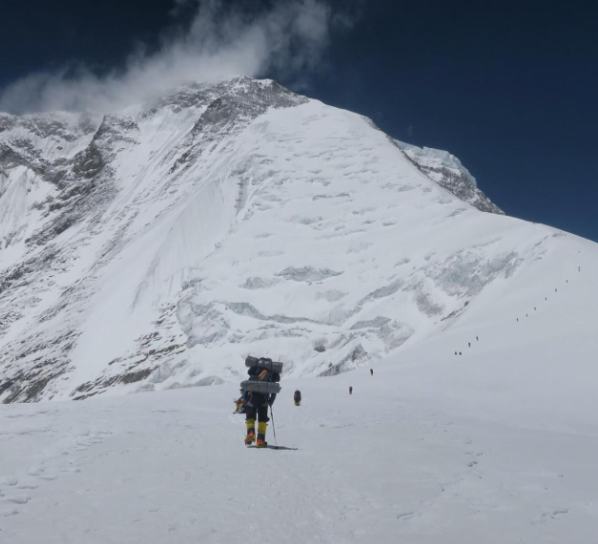
The climbing route to the summit of Mt. Dhaulagiri (8,167 meters), the world’s seventh-highest peak, has been successfully opened this autumn season. Situated in Dhaulagiri Rural Municipality-4 of Myagdi district, the mountain now stands ready to welcome climbers from around the world, thanks to the efforts of a dedicated Sherpa team.
Sherpa Team Opens Route
According to Mingma Sherpa, founder of Seven Summit Treks, a joint team of Sherpas from the 14 Peaks Expedition and the Seven Summits Trekking Group successfully fixed ropes from base camp to the summit on Saturday. This achievement has made Dhaulagiri accessible to all climbing teams attempting the peak this season.
The rope-fixing team consisted of Tashi Sherpa and Lakpa Temba Sherpa from Makalu Rural Municipality-1 of Sankhuwasabha, along with Purwa Kusang Sherpa from Ward No. 2 of the same municipality, and Pasang Norbu Sherpa. They not only set the route but also became the first climbers to successfully reach the summit of Dhaulagiri this autumn.

Crucial Role of Sherpas
By fixing ropes across snow-covered and hazardous sections, the Sherpa team created a safe path for international mountaineers. Climbers rely heavily on these rope lines to navigate steep icy slopes and reach the summit. The team stated that if favorable weather conditions continue, other expeditions will attempt the summit within the next few days.
Permits and Revenue
According to Nepal’s Department of Tourism, three groups of climbers, including seven women and 17 men, have secured permits to climb Dhaulagiri this autumn season. The government has collected approximately NPR 5.07 million in royalty fees from these expeditions.
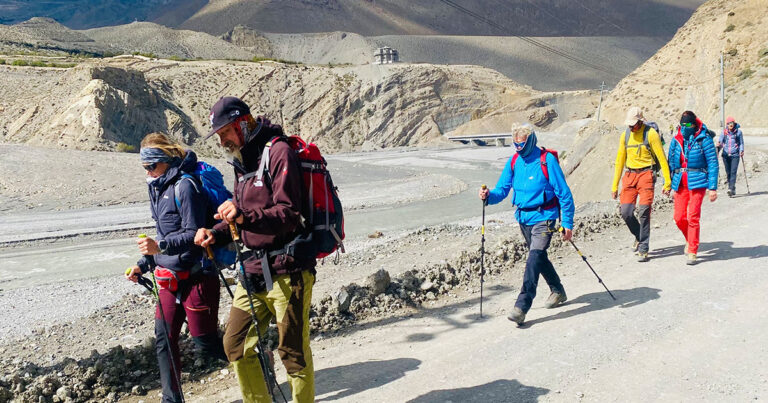
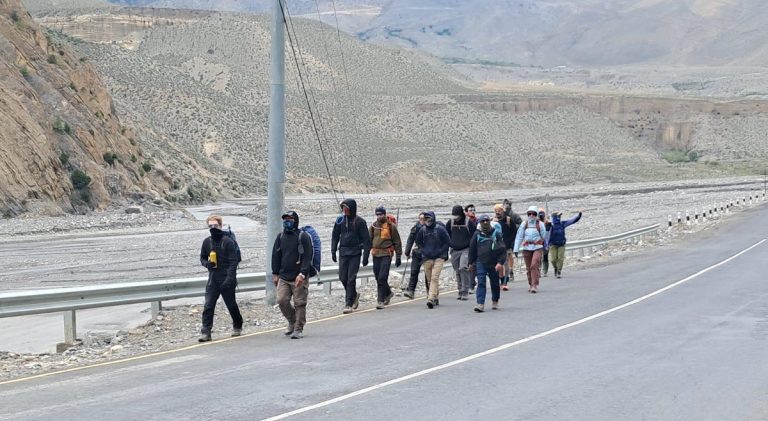
The climbers, along with Sherpas, guides, and support staff, have already reached the base camp. This year, most expeditions approached the base camp via Mustang’s Marpha and Yak Kharka routes, as the traditional path through Mudibagar in Dhaulagiri Rural Municipality has deteriorated and become longer and more difficult.
Recent History of Climbing Dhaulagiri
In the spring of 2024, two groups comprising 15 climbers received permits to ascend Dhaulagiri, generating NPR 3.69 million in revenue. However, last autumn, tragedy struck when five Russian climbers from a group of 14 lost their lives in an avalanche during their attempt.
Dhaulagiri is considered one of the most challenging and risky peaks to climb due to unpredictable weather, avalanches, and steep icy ridges. These difficulties make successful ascents remarkable achievements, attracting only the most determined mountaineers.
First Ascent in 1960
The first successful ascent of Dhaulagiri was made on May 13, 1960, by Austrian climber Kurt Diemberger, along with Peter Diener, Ernst Forrer, Albin Schelbert, Nima Dorje Sherpa, and Nawang Dorje Sherpa. Their historic achievement put Nepal’s remote western Himalaya on the world mountaineering map.
Since then, Dhaulagiri has remained both a dream and a daunting challenge for climbers across the globe. Its beauty, remoteness, and technical difficulties continue to define it as one of Nepal’s most iconic eight-thousanders.

A Risky Yet Rewarding Climb
With constantly changing weather patterns and frequent avalanches, climbing Dhaulagiri demands high levels of preparation and courage. While it is riskier compared to many other Himalayan peaks, successful summits bring immense pride to mountaineers and contribute to Nepal’s reputation as a premier adventure tourism destination.
As the Sherpa team has now opened the route, anticipation builds for upcoming summit pushes. Dozens of climbers from different countries are expected to attempt the ascent in the next few days, weather permitting.
The successful rope-fixing to the summit of Mt. Dhaulagiri marks the beginning of another exciting climbing season in Nepal. The Sherpas’ determination and expertise have once again paved the way for international climbers to attempt one of the world’s most formidable mountains. With permits issued, revenue collected, and teams ready at base camp, all eyes now turn toward the summit bids that will soon follow.